



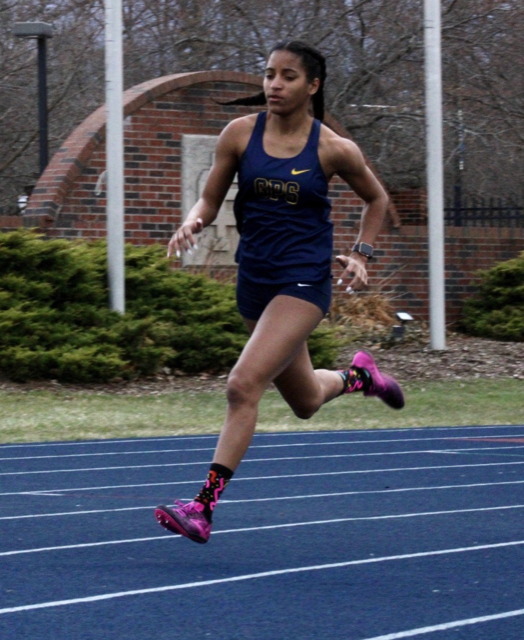






















Part of being a teenager is juggling extracurriculars with school, but the two can also have benefits for each other. At South, the focus is often on athletics and the academic mindset that our athletes are imposed with. These contributions that extracurriculars have on students’ education can also be earned through visual and performing arts.
Being actively involved in the arts while in school can have more benefits than simple self expression and art credits. For many students at South, being involved in the arts alongside their education has taught them life skills. South orchestra teacher Montana Crawford started playing the violin at three years old, after her parents discovered the benefits of learning to play an instrument at a young age.
“There was research that backed it saying it trains, like, hits on discipline and on teamwork and on study skills,” Crawford said. “You have to strive for excellence, and all of those keywords can transfer over to your academics.”
For some students, art is a defining part of their life, with many participating in artistic extracurriculars and interests. Tessa Wieczorek’s ’28 life revolves around art. As a member of South’s band, choir, Pointe Players and National Art Honors Society (NAHS), she understands the impact of arts on an individual’s education, especially by being involved in the performing arts.
“Having the skills to play an instrument really exercises a different part of your brain that helps you really think more and applies to all different parts of school,” Wieczorek said. “Studies I’ve seen have also proven that people who play instruments or are involved in music have a higher IQ.”
Wieczorek also believes that art exercises skills that aren’t practiced in core academics classes, which is beneficial for a person’s personal growth and learning.
“I think being involved in the arts really helps a person use parts of their brain throughout the day that wouldn’t normally be used if they weren’t involved,” Wieczorek said. “And it really helps you, I think, be a more well rounded person, and that helps with academics.”
In addition to the benefits artistic skills have on education, many find that having art classes in their schedules relieves some of the stress from their academic classes. Vice president of NAHS, Penelope Martin ’27, finds comfort in her art classes for this reason.
“I think doing art allows you to take a step away from academics and kind of focus on yourself and be in your own sort of imagination,” Martin said. “It’s like a break from all the stress on the school work.”
Students may choose to take art classes for many different reasons, but despite their reasoning, all can experience the benefits that the arts may have on their education and growth as an individual. Crawford reflects on the connections between musical involvement and academic success.
“I do have some really great students in orchestra,” Crawford said. “And I wonder if there is a correlation between them being in orchestra and being such high achieving, high working students.”