


































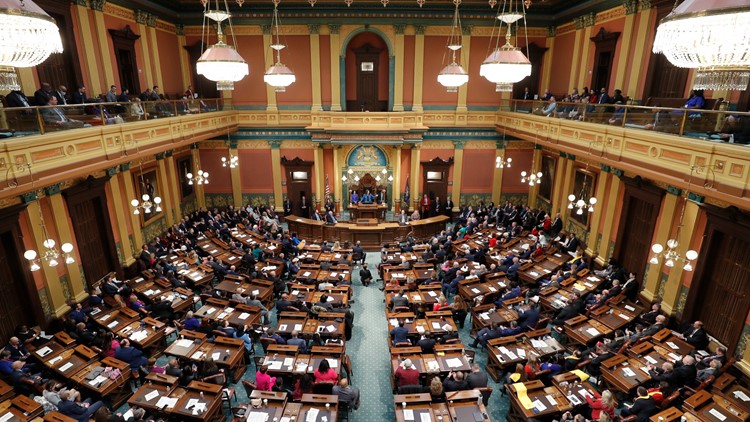
South’s graduating class of 2025 sent 62 students to Michigan State University, and nearly 30 to the University of Michigan. This year, these students and prospective students currently attending South are faced with a potentially large hit to their current or future school. The Michigan House of Representatives proposed a budget for the state which includes cuts of approximately $200 million to MSU’s funding, and over $220 million for Michigan. The budget, if passed, would go into effect on Oct. 1 of 2026.
According to MSU, state appropriated funds for the current fiscal year (Oct. 1 2025 to Sept. 31 2026) are approximately $330 million. The proposed budget cuts over 60 percent of that, leaving the school with many millions of dollars to potentially make up for in the next fiscal year. Charles Keith, a history professor at MSU, is worried about this potentially massive loss to the University.
“It would cut or bring to an end a lot of important functions and services the university gives,” Keith said. “It would almost certainly lead to higher tuition, at a time where it’s already expensive enough… it should be more affordable. They should appropriate more funds instead.”
Overall, the budget cuts $3 billion from Governor Gretchen Whitmer’s proposed budget for the state. The cuts to the funding for flagship universities are largely backed by Republican members of the house. MSU undergraduate Henry Busse is concerned about the potential impacts to the future of the area of his studies, and the political basis of the cuts.
“We’ve already seen an increase in investment in our business colleges and less in our humanities. I’m a political science student, and [my friend] is a history education major… these are programs that are going to be left behind,” Busse said. “They’re not seen as careers that can increase your value as a laborer, so they will be the first to get cut.”
Busse is not alone in his opinions on the background of this budget. Isaac Snyder ’26 will be attending MSU in the fall, and is concerned about his year at MSU with potential impacts to the professors he may have, and his tuition.
“By just making this bill politically charged, it just hurts everyone, and it really doesn’t get their point across,” Snyder said. “It kind of makes them [House Republicans] seem like jerks, honestly, like they’re just going after Democrats and not really caring about who they take out in the process.”
These ideologically inspired cuts within the bill come largely from accusations against MSU for not phasing out DEI programs, and for teaching material at the college of education that was “discriminatory” against white students, according to The State News. Busse believes that DEI is still an important part of our society, and that punishing the schools for phasing it out ignores systemic issues that still exist, including financial issues that restrict some residents from attending other universities.
“[MSU] is the leading university for in-state students, it has the biggest impact on increasing accessibility to people who live in the state of Michigan,” Busse said. “It is a major struggle to get out of poverty… you cannot assume that, with the systemic injustice, you will be able to escape it.”