


















The world is a different place than when Beethoven learned to play piano or da Vinci learned to paint. The world is also a different place than when Victor Fleming directed “Gone with the Wind” during the Golden Age of Hollywood. And believe it or not, the world is a much different place than when LL Cool J and The Sugarhill Gang made hip-hop a mainstream genre in the 80s. For years, people have claimed the arts are “dying,” but we at The Tower feel that the urge to conclude that entertainment is worsening is really a response to the denial of a natural change in people’s interests and expression across generations.
It’s true: certain forms of entertainment have recently decreased in popularity. In 2025, over half of museums experienced fewer attendance than in 2019, even less than in 2024, according to the American Alliance of Museums. But it’s also true that other art is on the rise. The 2024-25 Broadway season brought the second-highest recorded attendance in history, according to Deadline. Musicals have made a quick recovery since COVID, and it displays that the popularity of different art forms is and always has been a give-and-take system: as one type of art declines, another one rises.
There are clearer examples of this trend in mainstream entertainment, showing that certain forms of consumption – attending the movie theatre or buying physical music – have led to a renaissance in other mediums like television or new audio platforms. Series like “Game of Thrones” and “The Wire” dominated pop culture for years and millions of artists and podcasts have been made accessible through services like Spotify and Apple Music. The type of people who didn’t trust the innovation of film when it first competed with theatre are the same people who have been rigidly pushing back against the new streaming era of entertainment, competing with vinyl records and movie ticket sales.
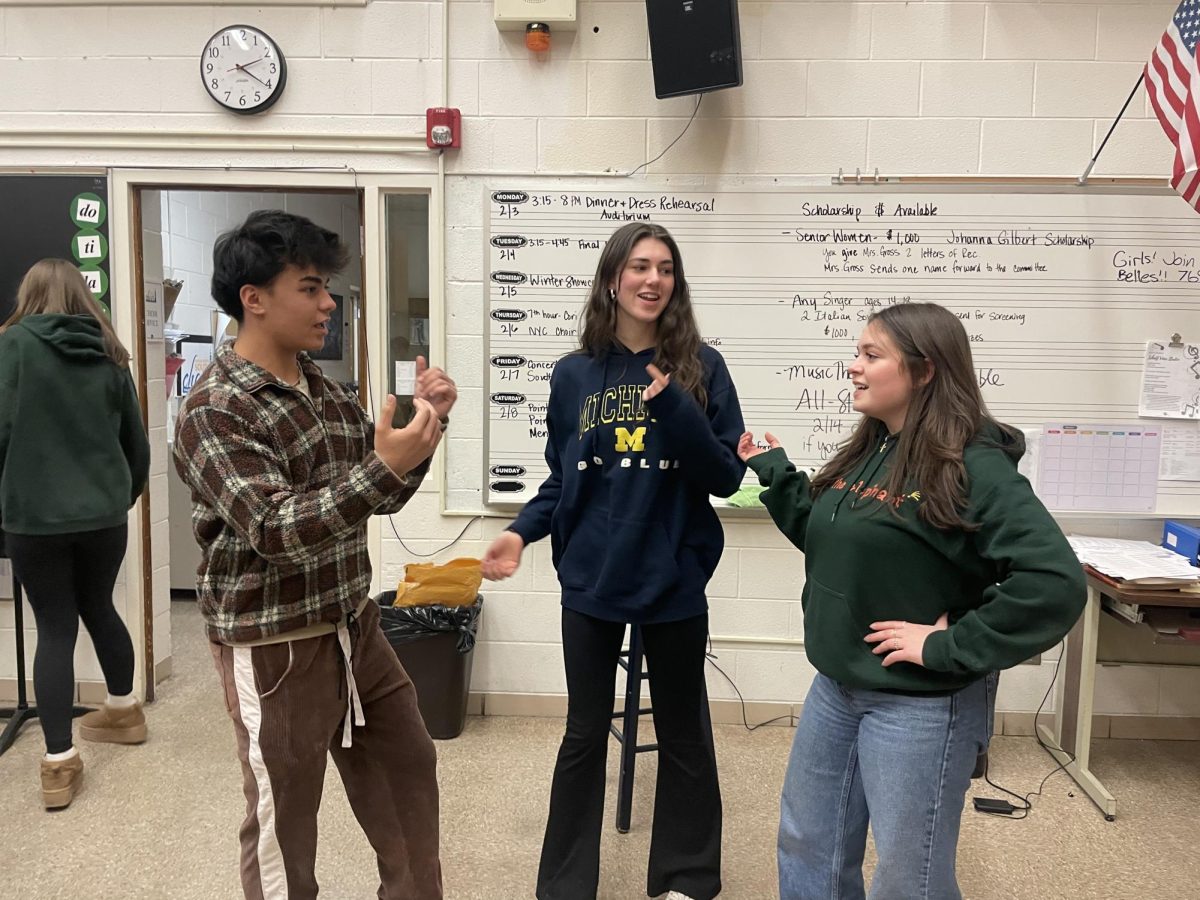
One of the strongest arguments surrounding the “death of the arts” speaks on the effects of the youth. In school, it can be tough to be the kid who plays an instrument or sings in the choir. The often-perceived “nerdy” or “socially-awkward” stereotype that band or theatre kids hold separates them from the “cool” atmosphere that usually comes with being an athlete. Many students hide their passion for the arts or quit it altogether in hopes they can escape the negative connotations in their environment.
So yes, we at The Tower understand where you’re coming from when you say you don’t see anyone at the movies anymore or that you hate all mainstream music. There’s nothing we can do to change your mind that pop music today sucks; art is subjective. However, anyone who hasn’t found their niche in the entertainment landscape over the last ten years likely isn’t searching hard enough. Big hits like The Beatles may be figures of the past, but their influence has paved the way for newer artists like Tame Impala and Frank Ocean. Old-time directors may not be alive, but recent filmmakers like Denis Villeneuve and Greta Gerwig are shaping up to have careers that will rival any other throughout history.
When it comes down to it, the “greats” didn’t have one ounce of passion that the artists of the current age don’t have. Right now, fans might like Netflix more than AMC, but they haven’t lost love for the roots of art. The world still loves music, stories and drama just as they always have, and they always will. We at The Tower believe that the survival of people’s love for creating and consuming art is what really keeps it alive, and the love doesn’t seem to be dying down anytime soon.

