

































It’s inevitable. Humans make mistakes. They always have, always will. Mistakes like these shape society as a whole in many different ways. Oftentimes, even the smallest errors can create anxiety, keeping us awake at night as we obsess over achieving “perfect” results. This often stems from high expectations and the pressure to gain societal approval, and more specifically, people judging others too harshly for a single mistake.
Over time, this negative feedback loop can lead to long-term perfectionism, an overall hurtful behavior that many people relate to in a world full of disagreement. We at The Tower recognize that meaningful, collective growth depends on society’s willingness to recognize and create space for self-improvement. But what does that space realistically look like, and how can we collectively create it?
At its core, a positive room for individuals to learn and grow is built through a supportive culture that treats mistakes as learning opportunities, not failures. Research on “team psychological safety” by Harvard Business School professor Amy C. Edmondson specifies our point: teams that feel safe to admit mistakes actually report more of them, and as a result, learn faster and perform better. People shouldn’t live in an environment without criticism, but an environment where criticism isn’t feared and is constructively distributed and received.
Of course, achieving this kind of system requires deliberate cultural shifts. It means slowing down our instinct to judge others immediately and instead choosing curiosity: Why did this person make this choice? What pressures might they be facing? What can be learned here, rather than used as ammunition for criticism? Listen before assuming. Recognize that growth doesn’t always follow a straight path.
Take Edmondson’s understanding of team-based growth, for example. Over-communication and optimistic views on growth and failure in groups will get everyone on the same page and will help build a space where people can be accountable for their actions without the fear of holding unnecessary guilt. The road doesn’t have to be straight to reach the finish line. Focusing on the desired target is far more important than dwelling on mistakes along the way.
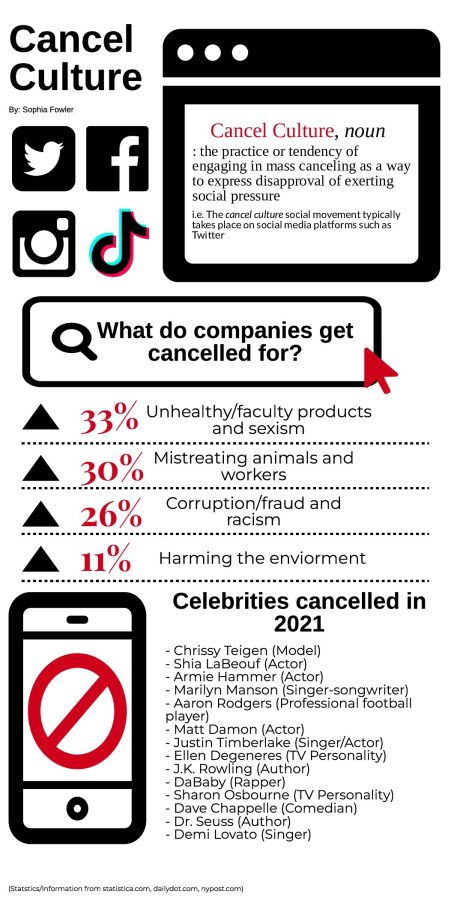
In a broader outlook on daily life, holding people accountable for their past is a tale as old as time. “Cancel culture” has been a mainstream term since the mid-to-late 2010s, initially created in an effort to bring people together to hold people to previous decisions they have made throughout their lives that may have been hurtful or inappropriate. Jump forward to the early 2020s, and a survey from The Hill shows that 54 percent of people surveyed were concerned with speaking out online due to the threat of “cancel culture” banning them from social media or getting them fired from their jobs.
Populations cannot prosper if they live in fear. This mass-normalization trend of trapping people in boxes due to the very flaws that make us all human is a stagnant way to go about improving society. We at The Tower think humanity would benefit from looking at issues and actions with nuance and care before jumping to harsh conclusions. We must keep the barrel aimed at the target rather than at ourselves.
Whether they’re teammates, coworkers or neighbors, they’re going to mess up. Likely, many times. However hard that is to accept, we at The Tower believe that in doing so, success will become as inevitable as the mistakes that lead to it. We will reach our collective goals; the “want” will become the “have.” It will make the team, group or society arrive at the finish line more quickly, and most importantly, have more smiling faces than ever before.

