























“I am the student who is supposed to take this exam. I have read the rules above and I understand what will happen if I break them.”
These are the two sentences that students are forced to type before taking any College Board test, including the PSAT, SAT and all AP tests, that acknowledges their agreement to the strict College Board policy. Anyone who is caught cheating is subject to having their scores immediately cancelled and banned from taking any College Board tests in the future.
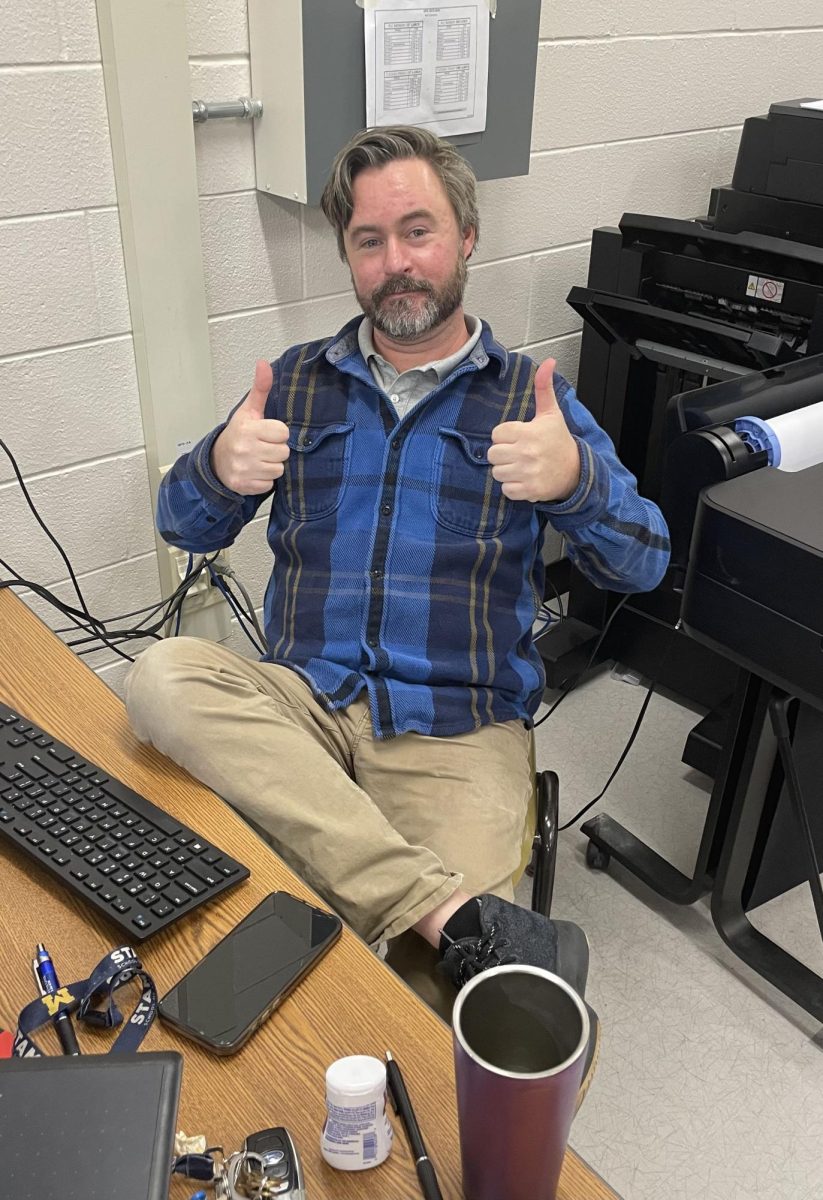
College Board tries their best to predict how kids are going to try to cheat, and train their proctors, including Tracy Magee, accordingly.
“After you get background checked by the school, you need to take a two hour proctor training course,” Magee said. “We go through the list of all of the prohibited devices and technology, and how to tell if kids are using them. This year in particular, we talked a lot about Meta Glasses, so we were supposed to pay attention to any suspicious tapping or playing with glasses, along with the regular phones and smart watches.”
Staying up to date on technology has paid off this year at South, as nobody was caught using Meta Glasses, sneaking phones or anything to that extent; however, while they are staying extra conscious of the technology side of cheating, many students, including Alex Foote ’26, feel like College Board might be overlooking the most simple form of cheating: good old fashioned copying.
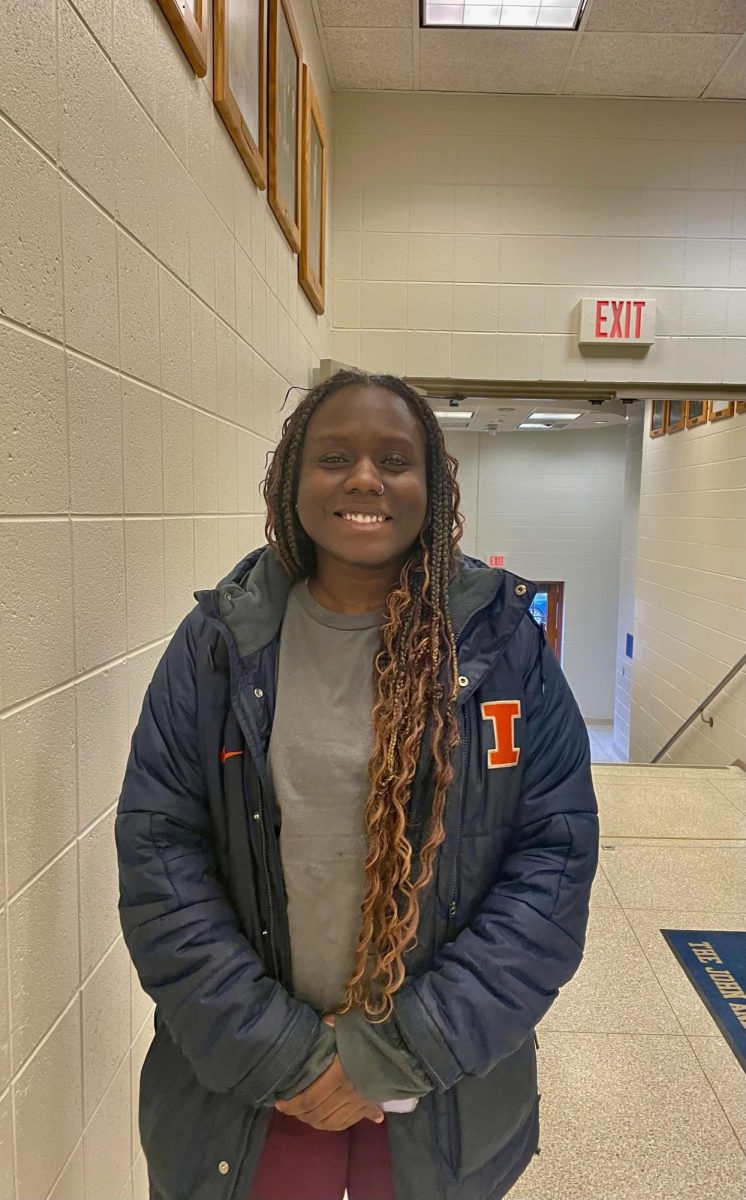
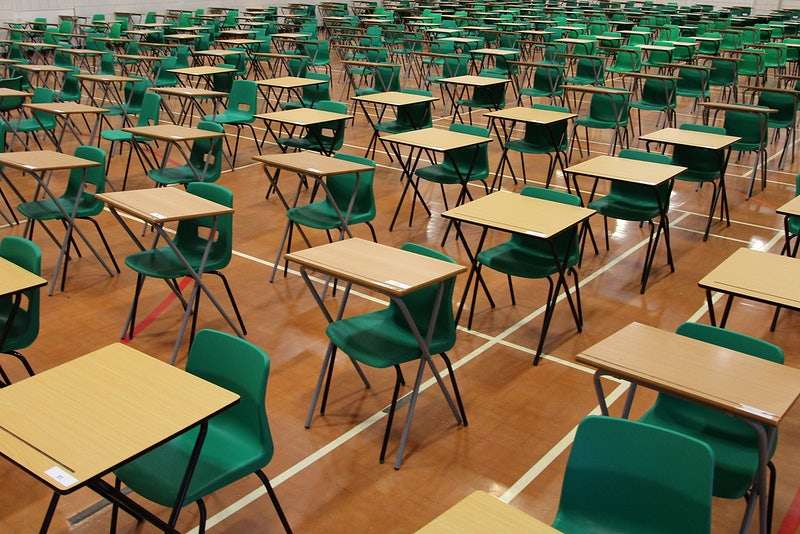
“I’ve seen it happen in probably every AP test I’ve taken, just people glancing at each other’s screens, or even whispering to each other,” Foote said. “I think it’s an interesting choice to give everyone the same questions in the same order, especially when there are two people to a table. It makes it oddly easy to copy off people on a test that otherwise has so much security.”
This is an aspect of College Board tests that doesn’t sit well with many students, including Jonah Bukovec ’26, who studied nonstop during the weeks before the exam.
“It honestly does make me a little upset when I see people whispering or just straight up looking at each other’s screens,” Bukovec said. “The whole point of the test is you’re supposed to know the material and you put in the work to learn it. I guess it’s not that bad because it’s not like the person next to you has the answer key, but it’s still something that wouldn’t slide in a regular test that you take in class. It’s definitely something College Board should look at changing.”
However, there are more precautions in place than students might realize. College Board is aware that not all students are going to comply with the code.
“We actually do a lot to monitor the copying,” Magee said. “The seat assignment is random, and we make a handwritten seating chart, so if any of the results come back suspiciously similar, then we would know who was sitting by each other.”
With these measures being taken, and no issues being found this year, it’s possible that this ‘copying’ that is perceived by other test takers isn’t actually copying. South students may have more integrity than believed.
“Looking at someone’s screen does not necessarily mean that student has taken action to copy their neighbor,” Magee said. “I think that makes a negative assumption that students are violating the code that they signed at the beginning of the exam, and the tests haven’t come back with proof of this.”
Whether the official results show it or not, a student who wishes to stay anonymous has confirmed that the current system makes it possible to copy or collaborate on the tests.
“I’ve cheated on multiple,” the student said. “There are proctors watching always, but there are only a few of them, and sometimes over 100 of us. If you have a little awareness, it’s not that hard to get away with communicating with your neighbour.”