


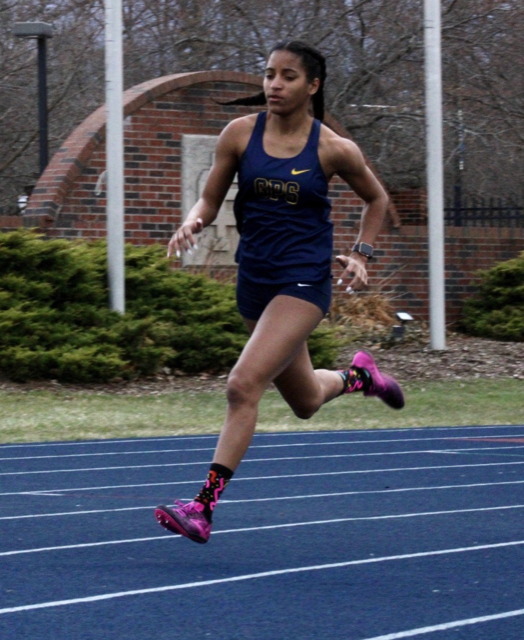
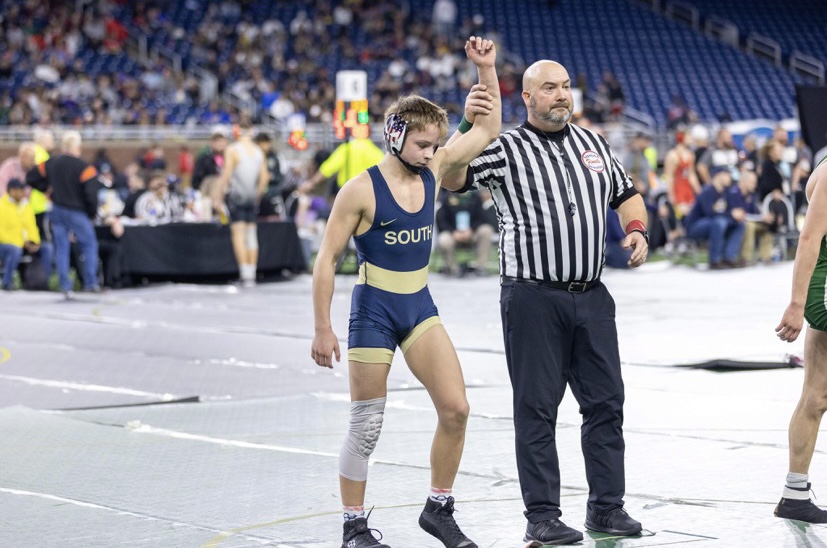













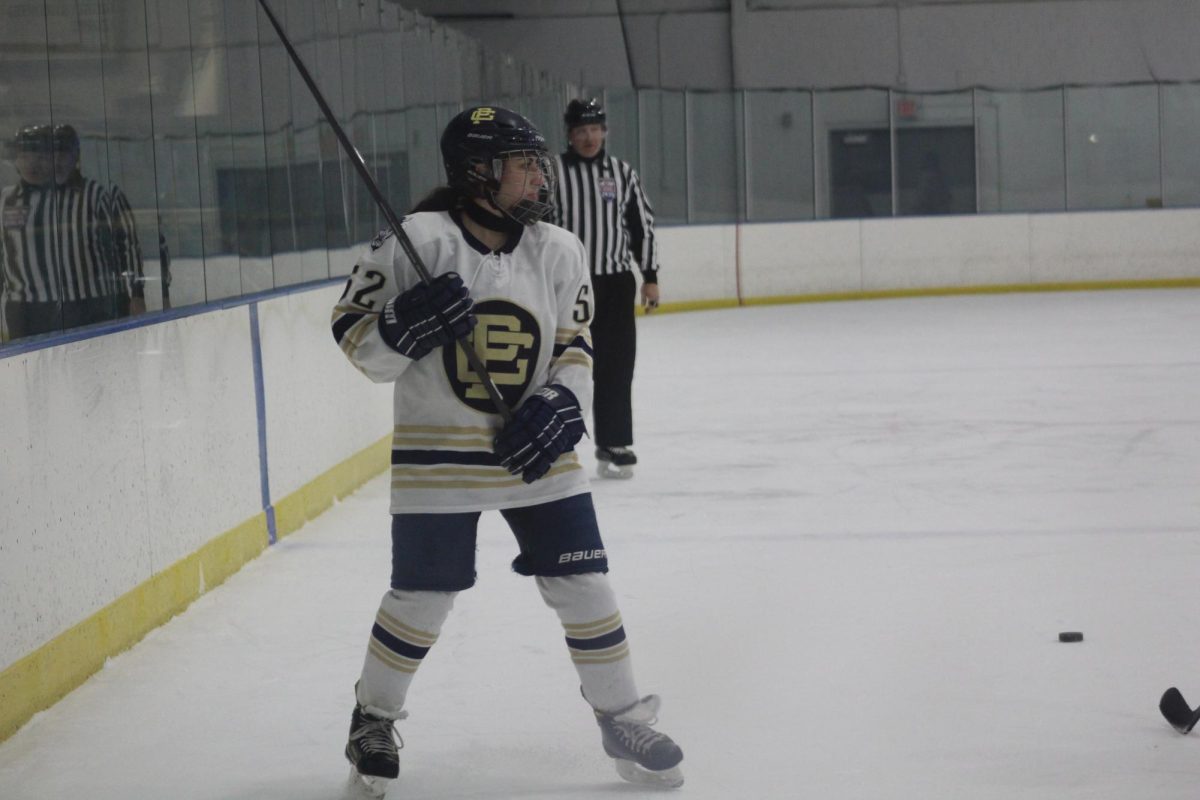
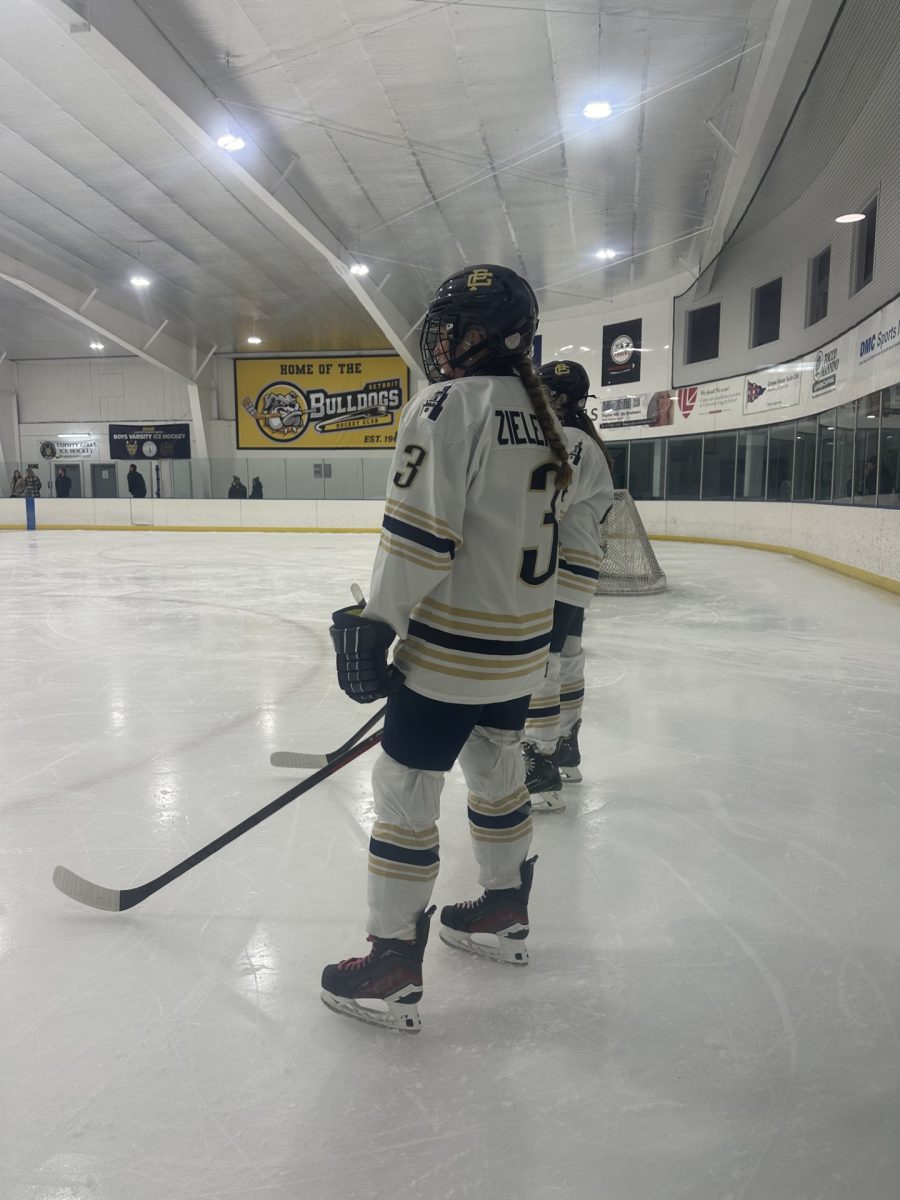
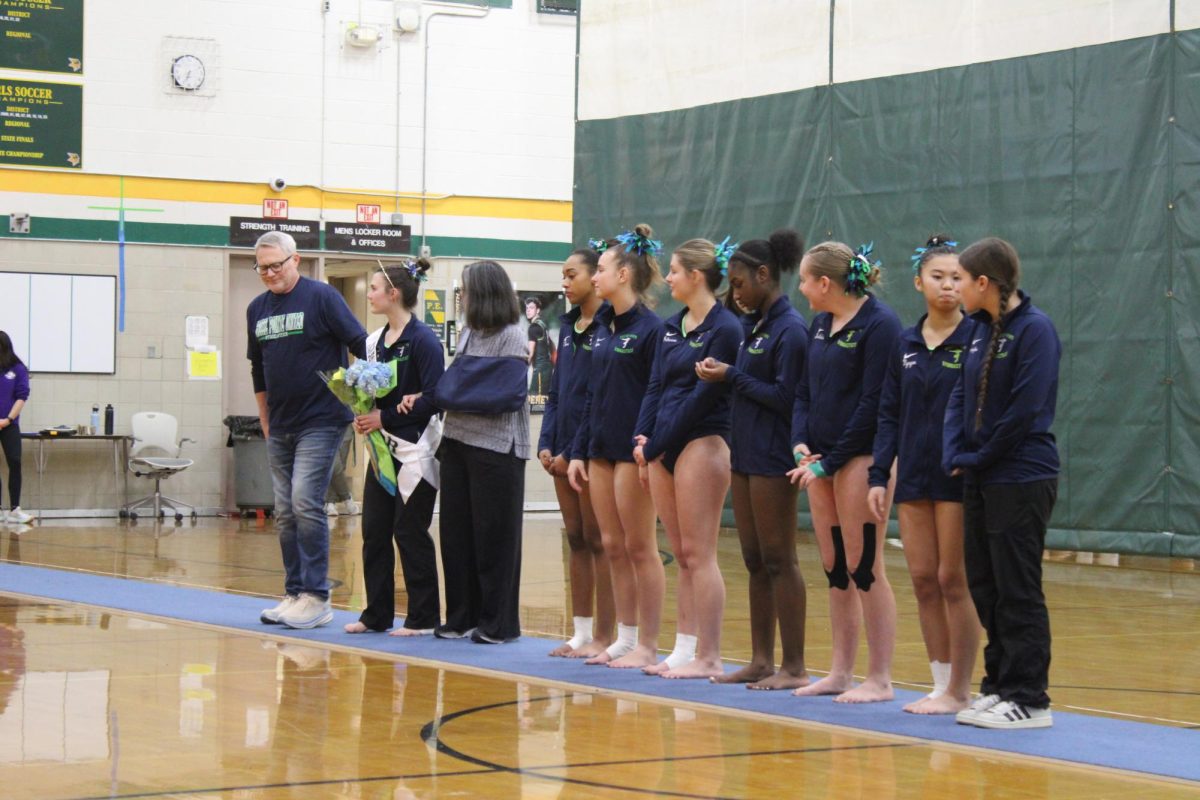




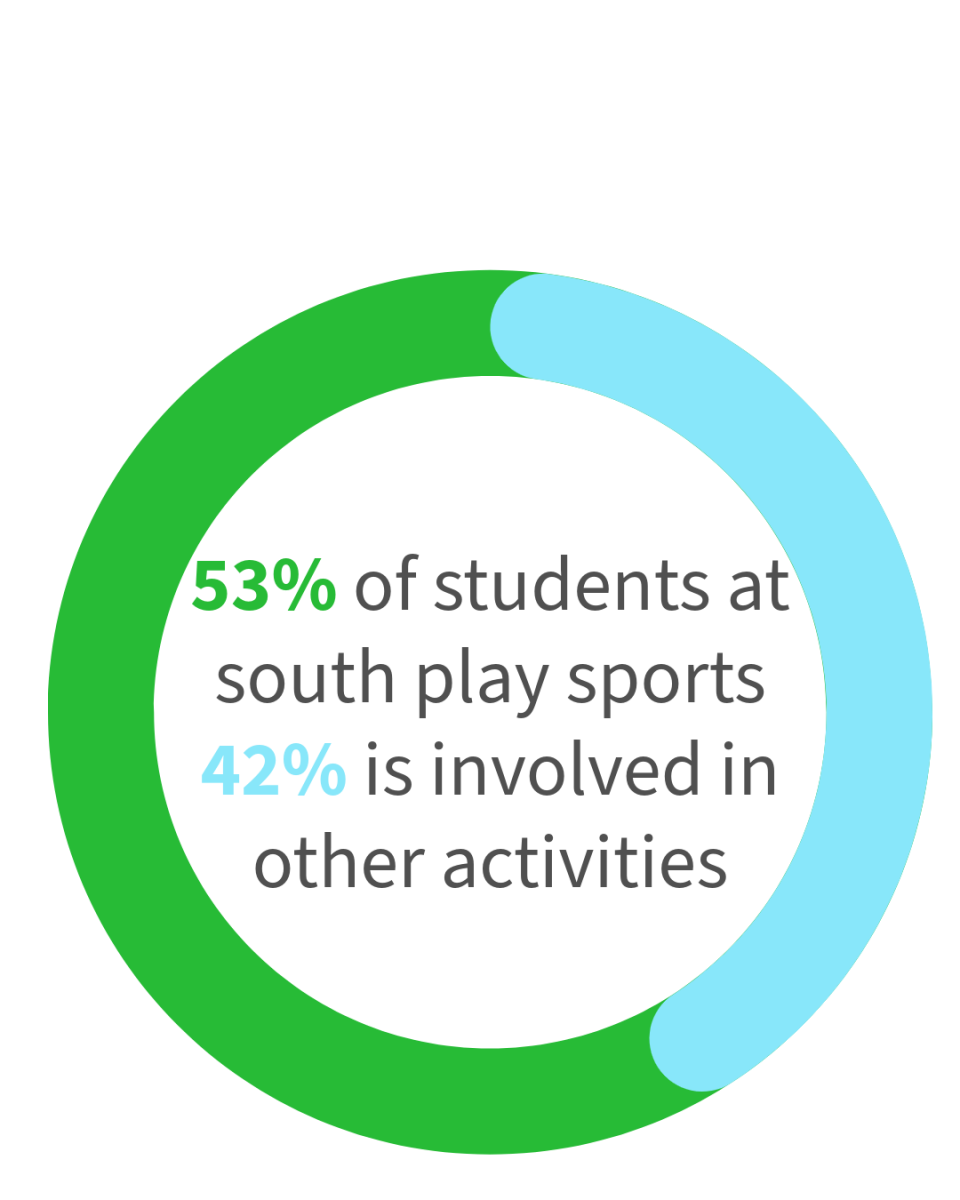
In an environment like Grosse Pointe, where athletic participation is often the default setting for a student’s life, those who choose a different path may find themselves navigating a social hierarchy. At South, the athlete label carries a weight that extends beyond the field, often leaving non participants to manage social pressure just to justify their lack of a jersey.
For many, the pressure to join a team starts as the moment they begin to go to school. Parents and peers often emphasize that sports are a gateway to a social circle. Cole Parlangeli ’28 is a three-sport athlete, playing football, basketball and baseball. Parlangeli has been immersed in the team environment since his parents got him started in sports.
“I think there are so many different leagues and opportunities for little kids to play sports, and they start us off at such a young age,” Parlangeli said. “If you’re new to the neighborhood, it’s a good way to make friends.”
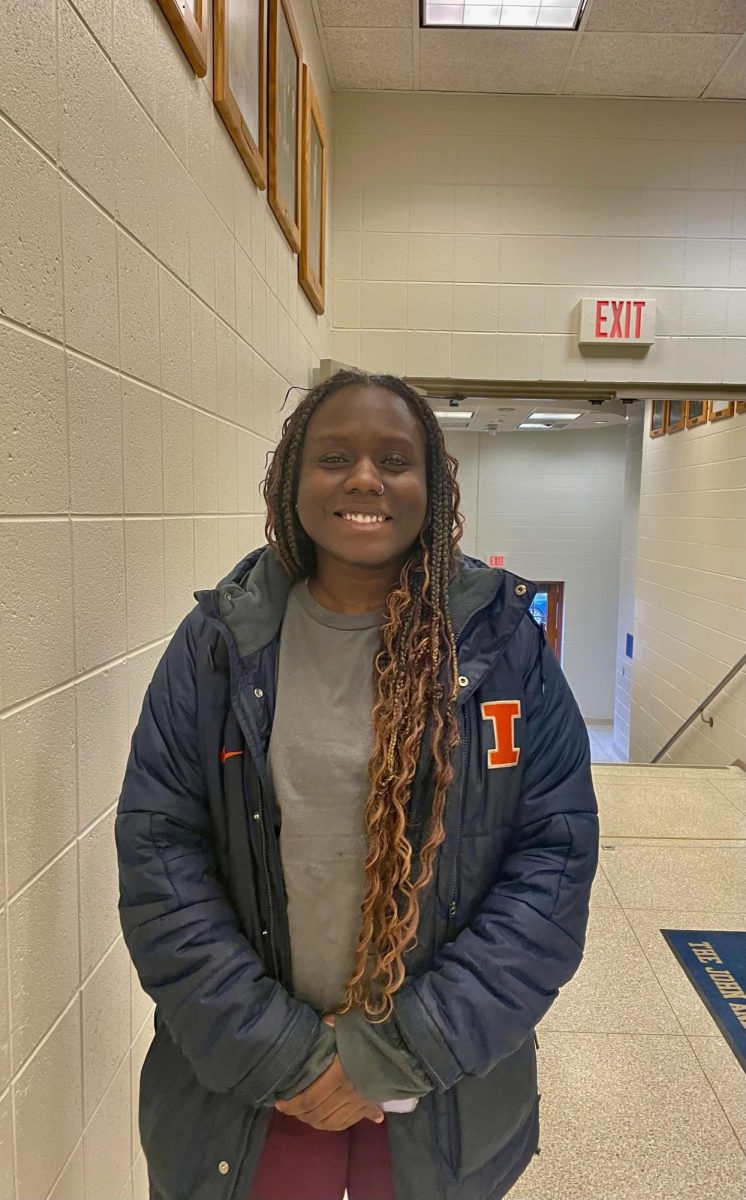
By senior year, students tend to be done with sports as it no longer seems at the forefront of their minds with college fast approaching. Dempsey Ciconte ’26 has played sports her whole life; that is, until her senior year. She found she had to explain to her friends and parents that she simply didn’t want the responsibility of sports any longer.
“Without a sport, I have a lot more time to work, work out and hang out with my friends,” Ciconte said. “I think our school provides a lot of extracurriculars for all types of students but could just do a better job at advertising for the less popular ones.”
The social gap between athletes and non-athletes often comes from the lack of school-wide recognition for achievements that happen in clubs or other personal projects, rather than on a field or court.
“I feel like a lot of students overlook the events that aren’t sports games because they aren’t as entertaining, but they’re still important,” Ciconte said. “Playing a sport is a great way to stay active and meet new people, so our community holds a huge emphasis on it.”
While the field and the court can be where some of the strongest social bonds are formed in high school, not every student finds their community through a sport – but that doesn’t mean that they’re missing out. South counselor Troy Glasser, , observes that whether a student is on a team, at a job or in a club, the fundamental gain remains the same.
“Time management, dedication, teamwork and perseverance all matter in anything you do,” Glasser said.