

























On Feb. 22, leader of the Jalisco New Generation Cartel (CJNG), Nemesio Oseguera “El Mencho” Cervantes, was wounded during a military operation in Talpalpa, Mexico and later died while being transported to Mexico City. In retaliation, the CJNG carried out mass arson in major cities including Guadalajara, Puerto Vallarta and Tampalapa, hijacked hundreds of buses and cars, set up more than 250 roadblocks, and aided a prison break in Ixtapa, along with other intimidation tactics, according to the U.S. Department of Justice.
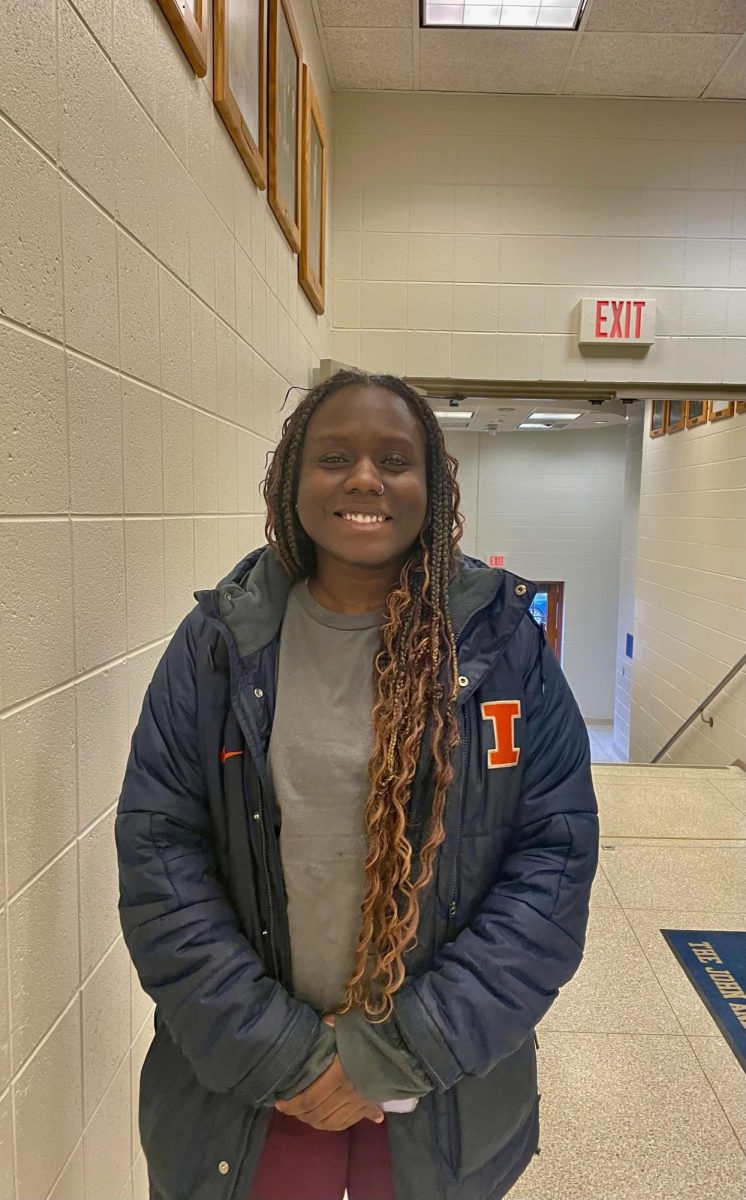
El Mencho was Mexico’s most wanted man, with a $15 million bounty from the U.S. Department of State. His removal was part of a “kingpin strategy” aimed at decapitating cartel leadership to disrupt its global fentanyl and cocaine trafficking networks, but more specifically into the U.S. After only briefly hearing about these events, Macailah Carsten ’28 began researching them herself.
“[I heard] such little information that I didn’t know the drasticness of how serious it was because it wasn’t marketed as an assassination,” Carsten said. “It was just like ‘oh, someone in Mexico was assassinated,’ but it wasn’t regarded as someone as influential as the drug cartel was.”
This sense of confusion eventually turned into skepticism regarding how the news was being delivered to the public through the media. After seeing the disconnect, Carsten began to believe the media was framing the events to fit a specific narrative.
“I don’t think the media changed [what happened]. I just think that they used the title to downplay it,” Carsten said. “I don’t think that they wanted to show how serious it was.”
However, the morality of U.S. intervention in Mexican affairs remains a subject of intense debate, as perspectives vary widely on whether such actions do more harm than good.
“There’s two sides to everything and I feel like this one is in such a gray area because [the Mexican cartel] is a bad thing, but also we did this unlawfully. Even if they’re a bad person, they should have the right to go through the whole due process accordingly,” Carsten said.
While the legal ethics are debated, the immediate concern for visitors remains their own safety. Lotty Gates ’26, who has traveled to Cancun and Puerto Vallarta, anticipates that the current climate will force a change.
“I think they’ll enforce [more security measures] at least a little bit to ensure safety for the tourists, especially with everything going on right now,” Gates said.
Despite these necessary precautions, Gates remains cautious about letting localized violence define the nation as a whole.
“I would hope that everything going on in one specific area wouldn’t stop people from touring all of Mexico and stereotyping it,” Gates said.
So much of what people see comes from their phones. For many students, social media — like TikTok or Instagram — is where news about things like the conflicts in Mexico is spread, whether it’s factual or not.
“I think, especially in this generation, people take what’s on the news or what’s on social media for their main source of knowledge,” Gates said. “So if they see something that’s leaning one way, they will also lean that way.”
While many only see these conflicts through a screen, others have much closer ties to the reality on the ground. Diego Vielza ’29, a South student originally from Cuba, has friends currently in Mexico who are witnessing these events firsthand.
“They said that their families that live in Jalisco are in danger because people are opening their doors and shooting people for no reason,” Vielza said.
The long-term outlook remains clouded; the unpredictable aftermath has left the community divided on whether the violence will truly subside or if recent developments offer a path toward peace.
“No, I don’t think that this will continue because they killed the leader of the cartel,” Vielza said. “Right now, the president of Mexico is working with the United States to finish with all the cartels.”
The political side of the situation is one thing, but the personal experiences people are having tell a different story. These headlines aren’t just news to everyone — sometimes, they hit much closer to home.
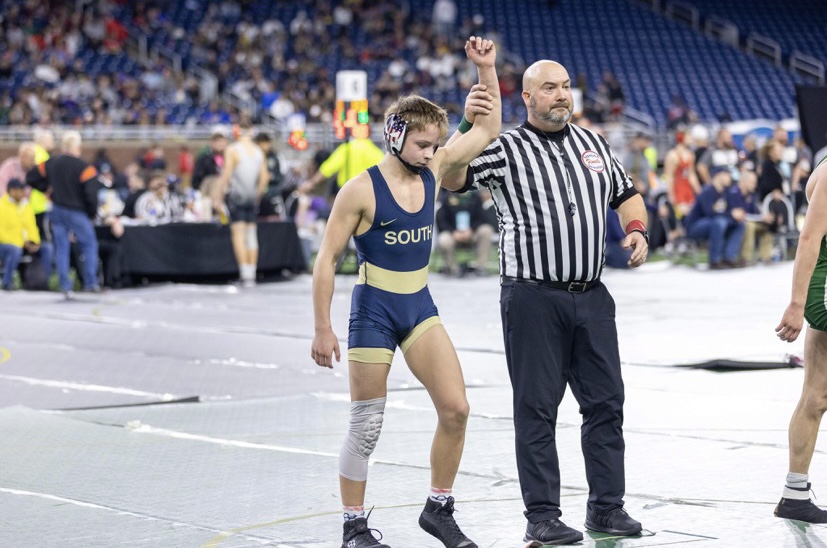
“My coach is from Mexico. During the [recent cartel attacks], they killed one of his friends,” Vielza said. “If I go to Mexico again, I have to go with somebody that lives in Mexico and knows the good places from the bad places.”
This need for “knowing the truth” doesn’t just apply to travel, but also to how we read the news. The only way to really understand what’s happening is to look past the surface.
“Make sure you do your own research. Always look, always double check,” Carsten said. “Never just believe a headline; actually look at the article.”

