





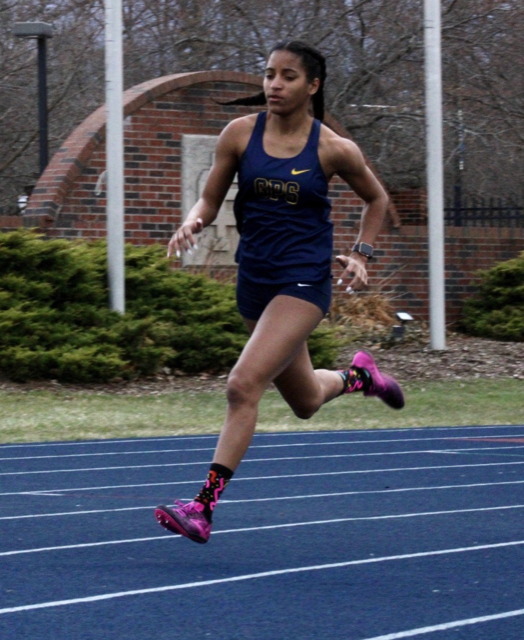
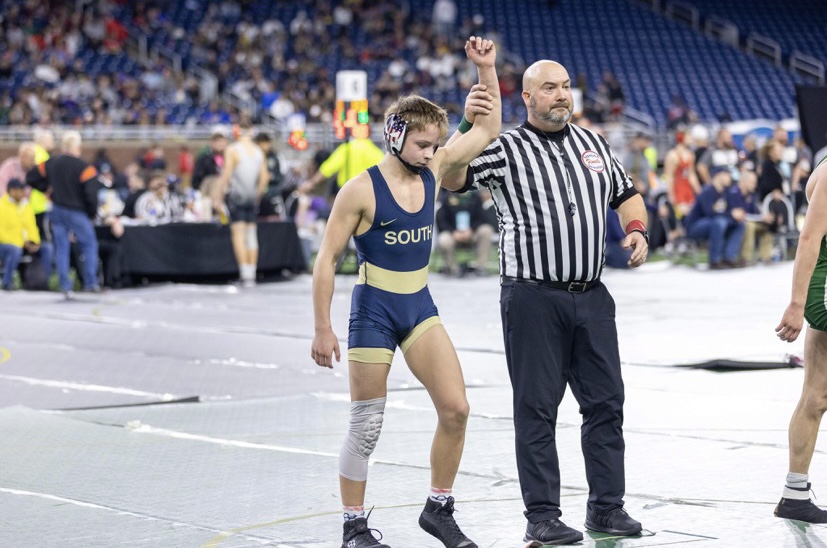






















 For decades, female athletes pushed against barriers both visible and invisible, demanding not just the right to play, but the chance to be seen, celebrated and respected. Today, thanks to relentless advocacy, changing attitudes, and a web of support, women’s athletics at South and beyond show just how far the movement for equality has come. On courts, in pools and on fields, girls experience a world built on the victories and setbacks of those who came before, reflecting a bigger trend in America towards fairness for both genders and focused athletic training.
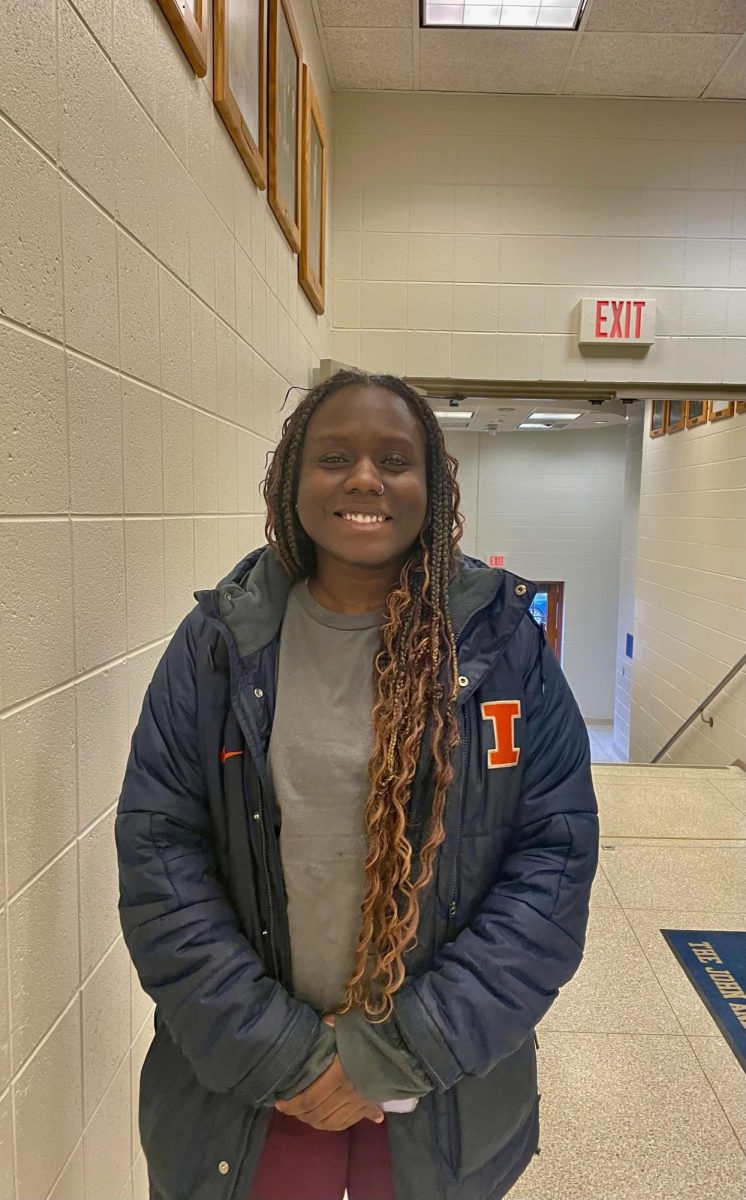
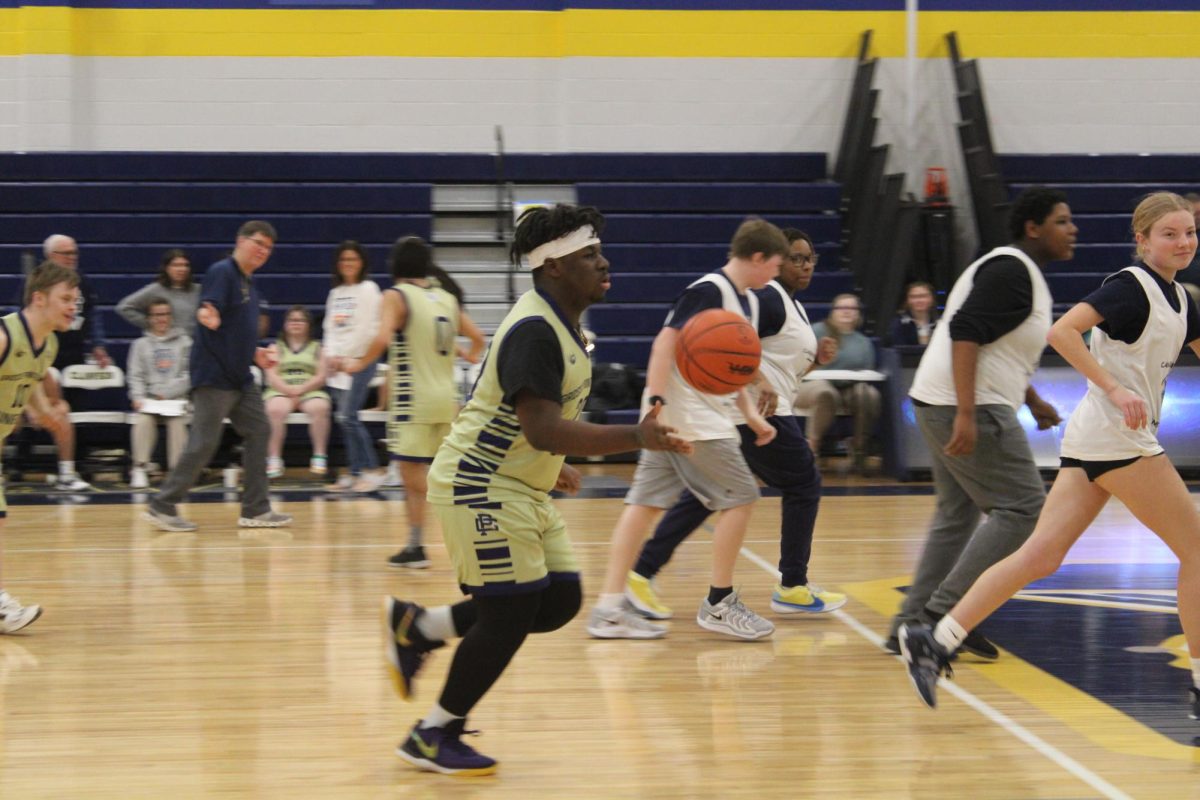
Cierra Reese, JV girls’ basketball coach at South, has witnessed firsthand how women’s sports have changed in many ways. Reese’s journey, from a former student-athlete to a mentor, reflects the progress and challenges that still shape girls’ athletics today.
“Those are some big changes that I’ve seen, just people pouring in more time, money and effort to elevate women as athletes, which I think has been absolutely amazing to see,” Reese said. “They are now able to get the proper training and improve their skill level so that it continues to be an entertaining game for everyone and anyone to watch.”
As more girls step onto the court, the expectations and opportunities continue to rise. With each season, Reese has watched her players push for more, both for themselves and the sport.
“That’s one thing I love about coaching now,” Reese said. “I get to watch these girls embrace the game and each other, and build a sense of confidence that goes way beyond basketball.”
This elevation of the game is not just happening in the gymnasium, but across the entire athletic department as schools work to meet the demands of a year-round sports culture. South Athletic Director Andrew Rishmawi and other coaches have seen a shift in the development of women’s sports.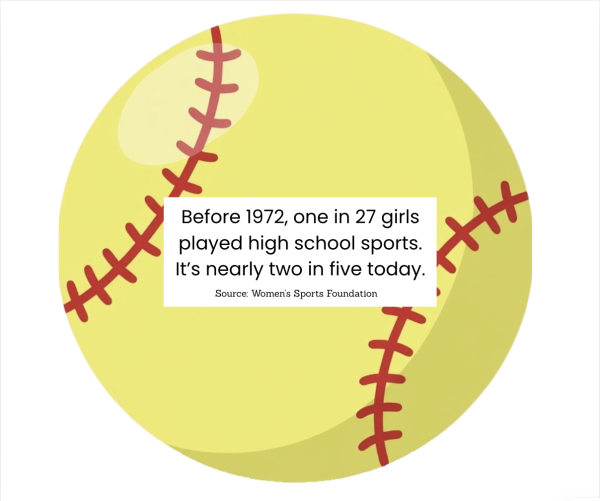 “I think the biggest, probably the biggest, change from when I was in high school is that so many of these sports demand year-round, training and participation,” Rishmawi said. “When I was here at South, football season had a clear start and end—then you moved on to another sport or activity.”
The increase in participation has also led to a broader menu of options for female students, moving past the limited offerings of previous generations. This growth makes sure that every student can discover a place where they feel accepted and can do well.
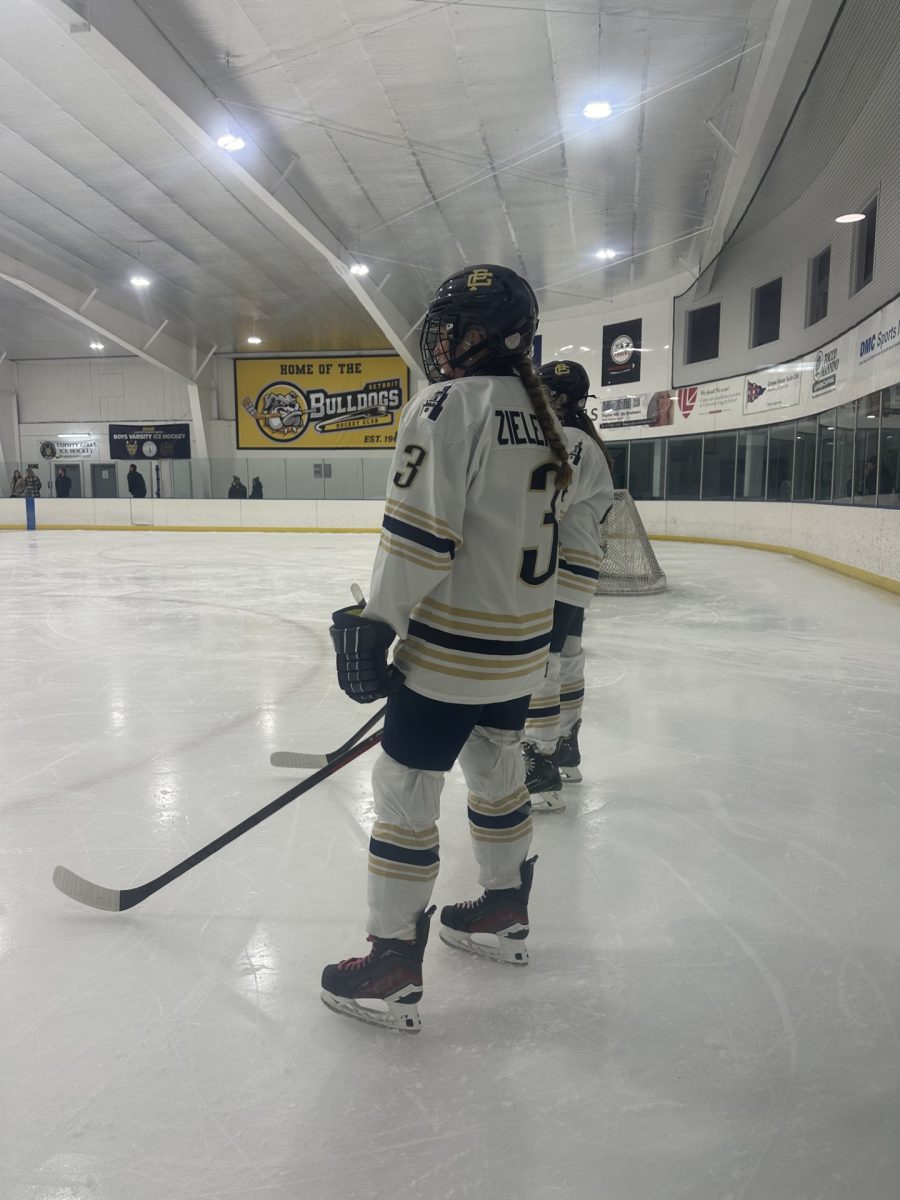
“I think the expanded opportunity with the variety of sports that we offer, that’s different from when I was here,” Rishmawi said. “Added crew, ice hockey, girls
lacrosse, field hockey and many more; none of those sports were available when I was here [South].”
For many athletes, this journey toward excellence begins in early childhood, long before they put on a South jersey. Swimmer Caroline Bryan ’28 represents this new era of the strong student-athlete.
“I started swimming at the age of two,” Bryan said. “Actually, my parents put me in swim lessons, and then I kind of just kept going with that, and I started competing competitively at the age of four with my first swim team in Ohio. I’ve been swimming for 14 years.”
But with more opportunity comes more pressure. Female athletes may sometimes find themselves working harder to be taken seriously.
“I definitely do think some females feel the need to prove themselves worthy of being known as a good athlete purely because they are female,” Bryan said. “For a long time…just think about the quote like, ‘oh, you run like a girl.’ It’s always been a derogatory statement, but I think now that statement doesn’t really fit into society anymore.”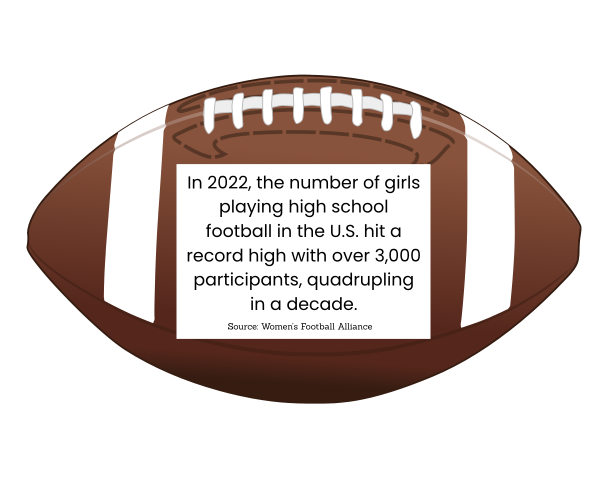 Reese works hard to break down those barriers in her own program, focusing on confidence and support as much as skill.
“Positive talk is usually the best way,” Reese said. “I know that for myself and every person’s different, but I do know for myself, like hearing reassuring or confirmation that I am doing what I’m supposed to do, helps a lot.”
Even as athletes reach new levels of skill, Reese points out that earning equal respect is still a struggle. She observes that while the ‘right to play’ has been won, the ‘right to equal respect’ is still an ongoing battle.
“I still do think misogyny plays a huge part in a lot of things we are dealing with,” Reese said. “It is so hard to achieve things and do such great things and then still have it negated in some way, or somebody talks about it in a way that is just so negative, as if they’re going to achieve the same things because it’s lesser.”
This discrepancy in perception often stems from a big misunderstanding of the different styles of play between men’s and women’s programs. Reese emphasizes that difference should not be equated with a lack of value or effort.
“We play a different game. It’s totally different, we’re built differently and we move differently, and that’s okay. It doesn’t make us any less when it comes to sport,” Reese said. “Especially when you’re at a high level, and there’s lots of eyes on you and cameras, and you’re a professional, you deal with a lot of that.”
Even among the male athletes, there is a growing recognition that the effort required to succeed is universal. Oliver Miller ’28, who plays football at South, notes that the physical and mental demands of the athlete are not consistent across the board.
“I feel like maybe in certain sports, but there are definitely some men’s sports that do receive higher treatment than women, and I would say football is one of them,” Miller said. “I think the reason for that is how big football is in American culture, but I feel like it should be equalized, and both genders should be treated the same, as both have athletes who are working hard.”
For football coaches like Chad Hepner, who have spent years mentoring student-athletes and were once students at South, the focus remains on what sports can provide beyond the outcome of the game. He believes the lessons learned on the field, regardless of gender, prepare students for the realities of adulthood.
“Maybe later in life you’re not on a sports team, but you might be on a sales team or a management team or something like that,” Hepner said. “Some of those ideas of working together towards the same goals can carry over to other things in life.”
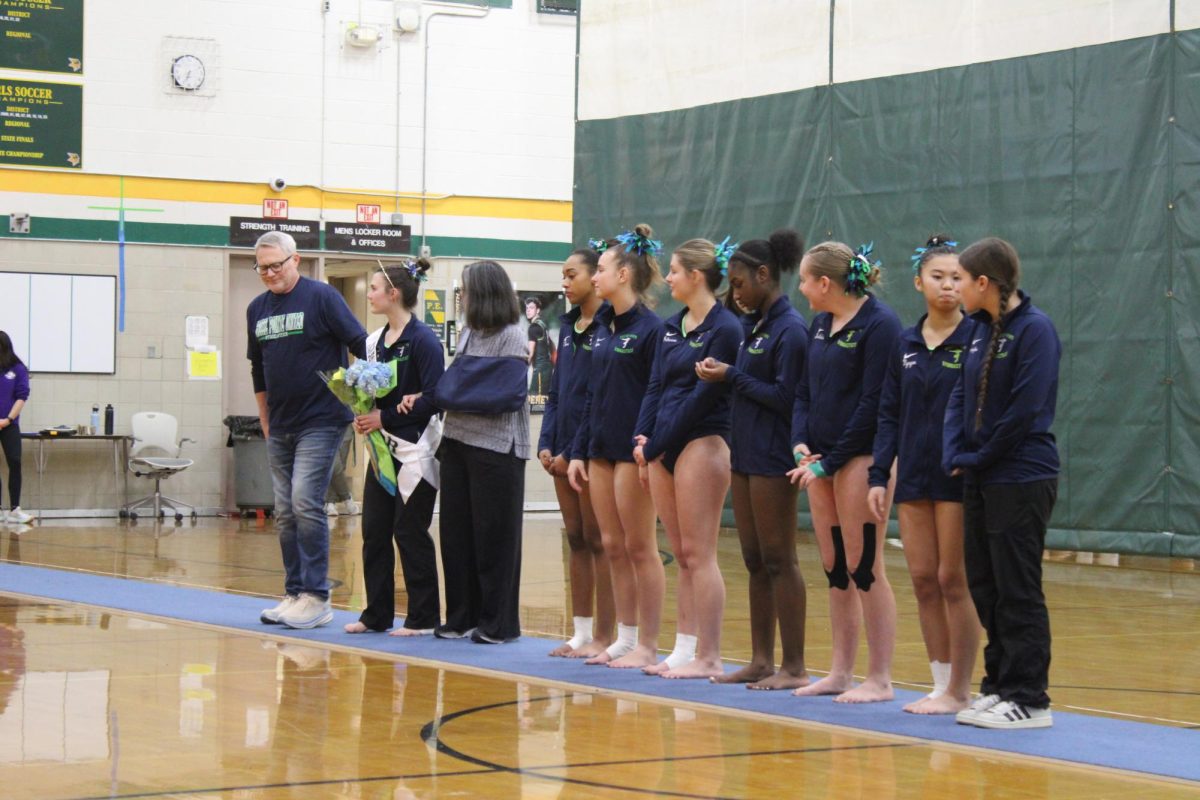
As the culture at South continues to evolve, it is shifting toward a more unified athletic identity. For Bryan, the community found within her team is the most important part of her high school experience.
“I think being part of a high school sports team is one of the best things you can do for yourself,” Bryan said. “It’s an immediate group of people that you can talk to and spend time with and see in the hallways… it automatically gives you a second family just by joining a team.”
Reese carries that same sentiment into her coaching today. She looks back on her time at South and draws on those memories to help the girls currently in the program.
“I never want anyone to go out there and be scared to play or nervous that they’re not going to be good enough, because I have seen insane improvements within a year from these girls,” Reese said. “I think of them almost as little sisters. I really want to take care of them and give them the best path forward in whatever they do.”
The most meaningful progress in women’s athletics at South is reflected in the mindset of its athletes. As Hepner puts it, the ultimate success is finding joy in the work itself.
“You have to enjoy whatever sport you’re playing or whatever job you’re doing,” Hepner said. “You have to enjoy that the practice is not just the games. You have to enjoy what you’re doing every day.”