



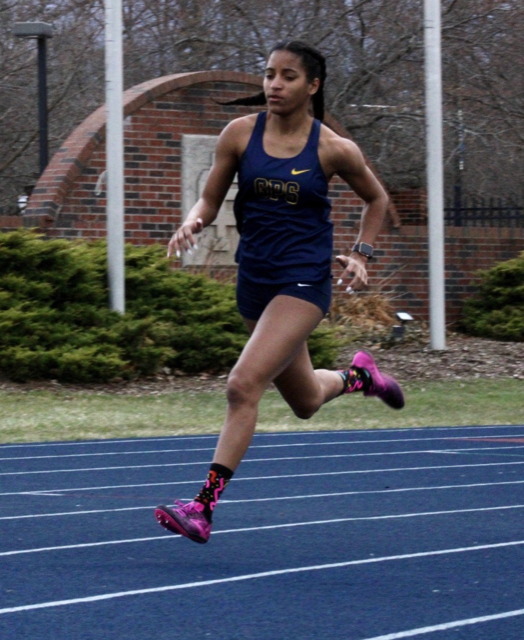
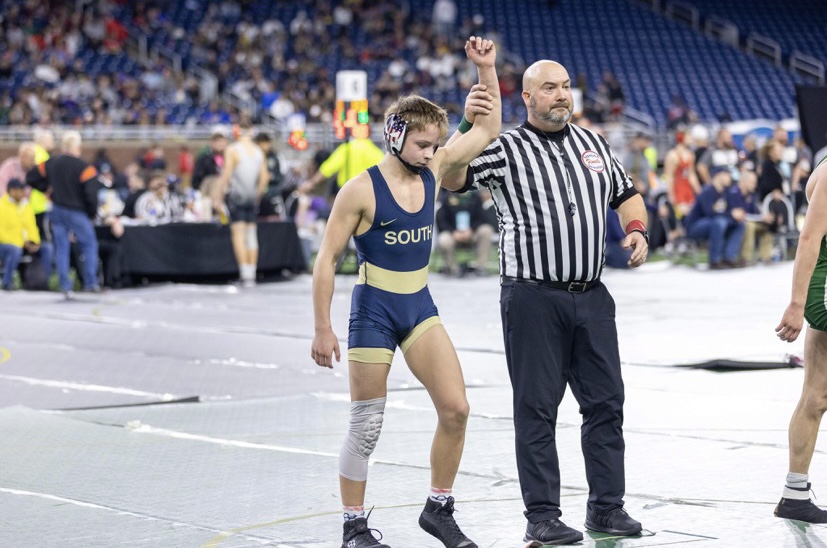







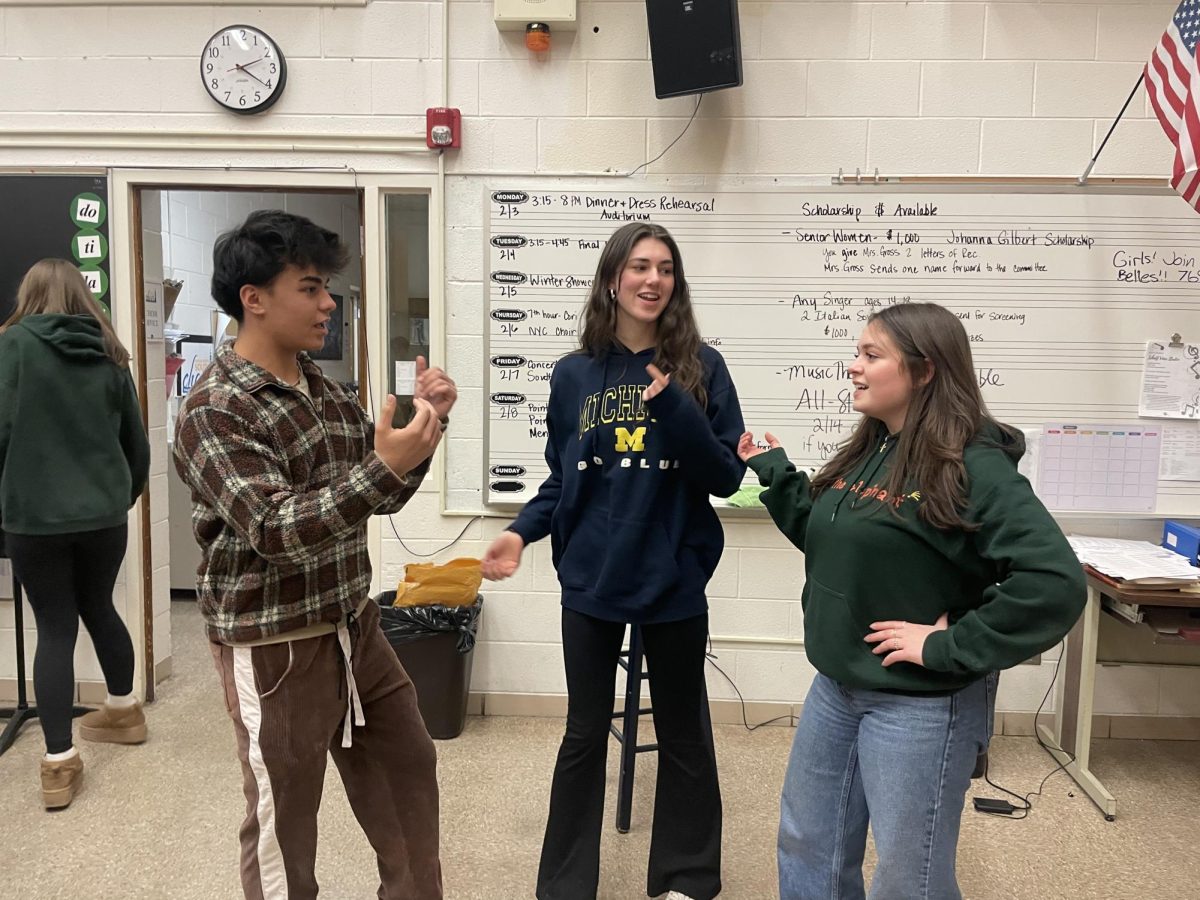





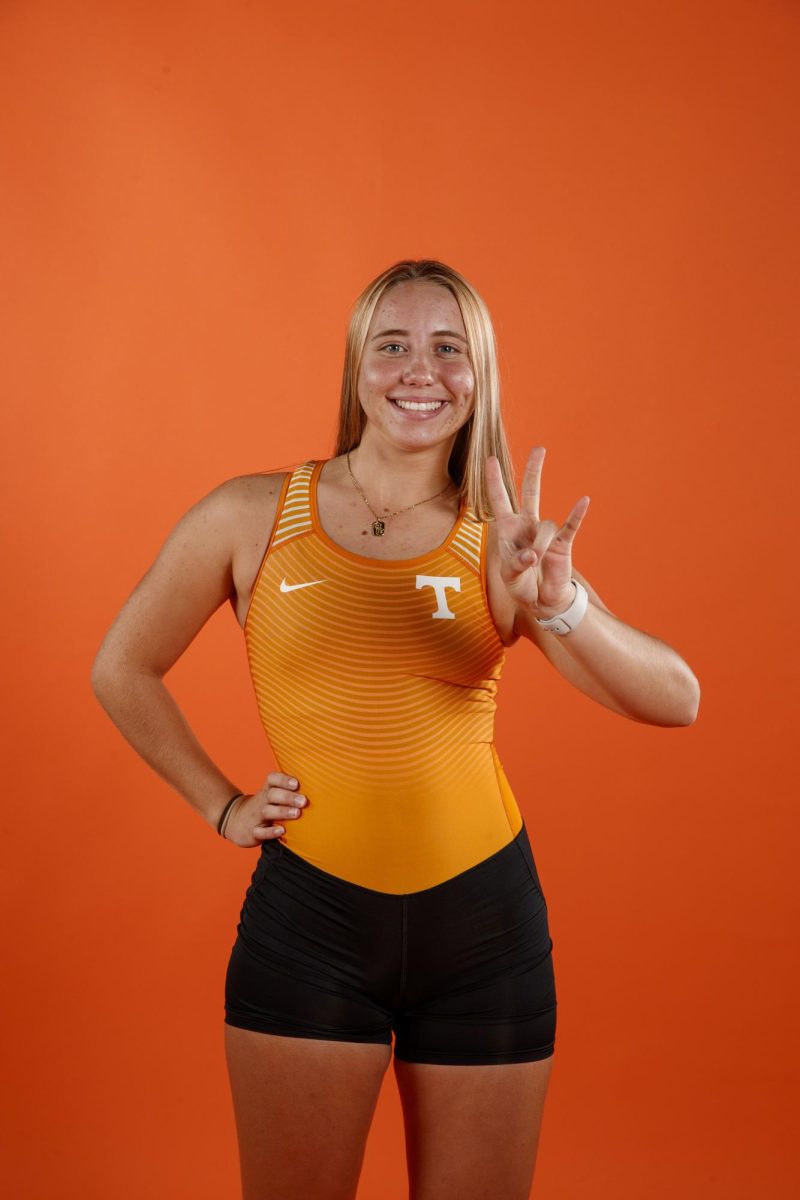


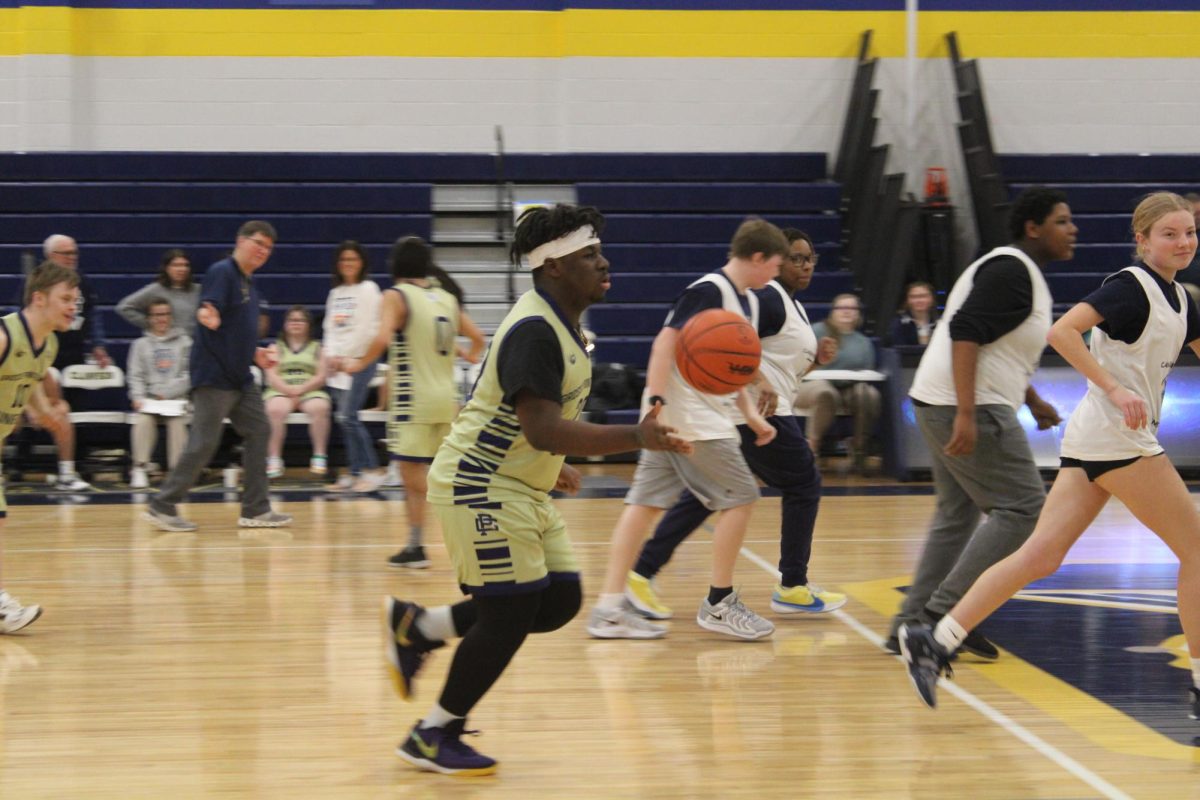
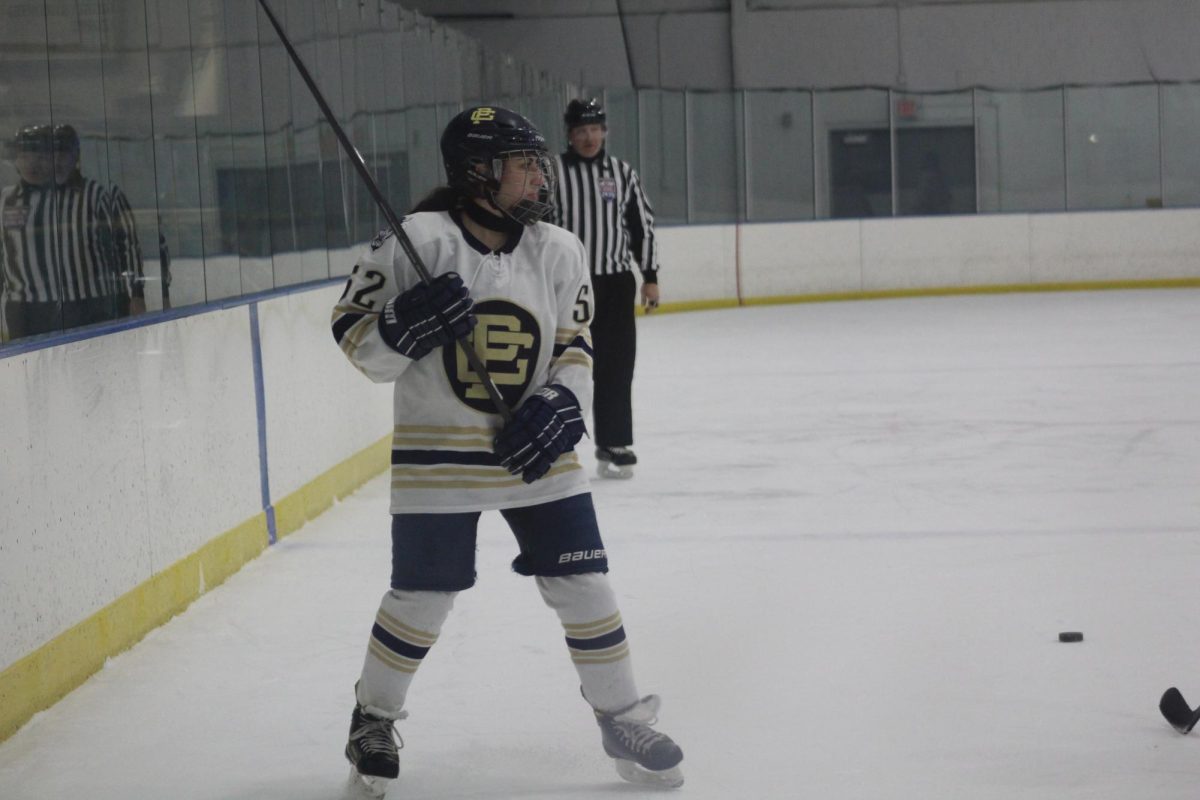
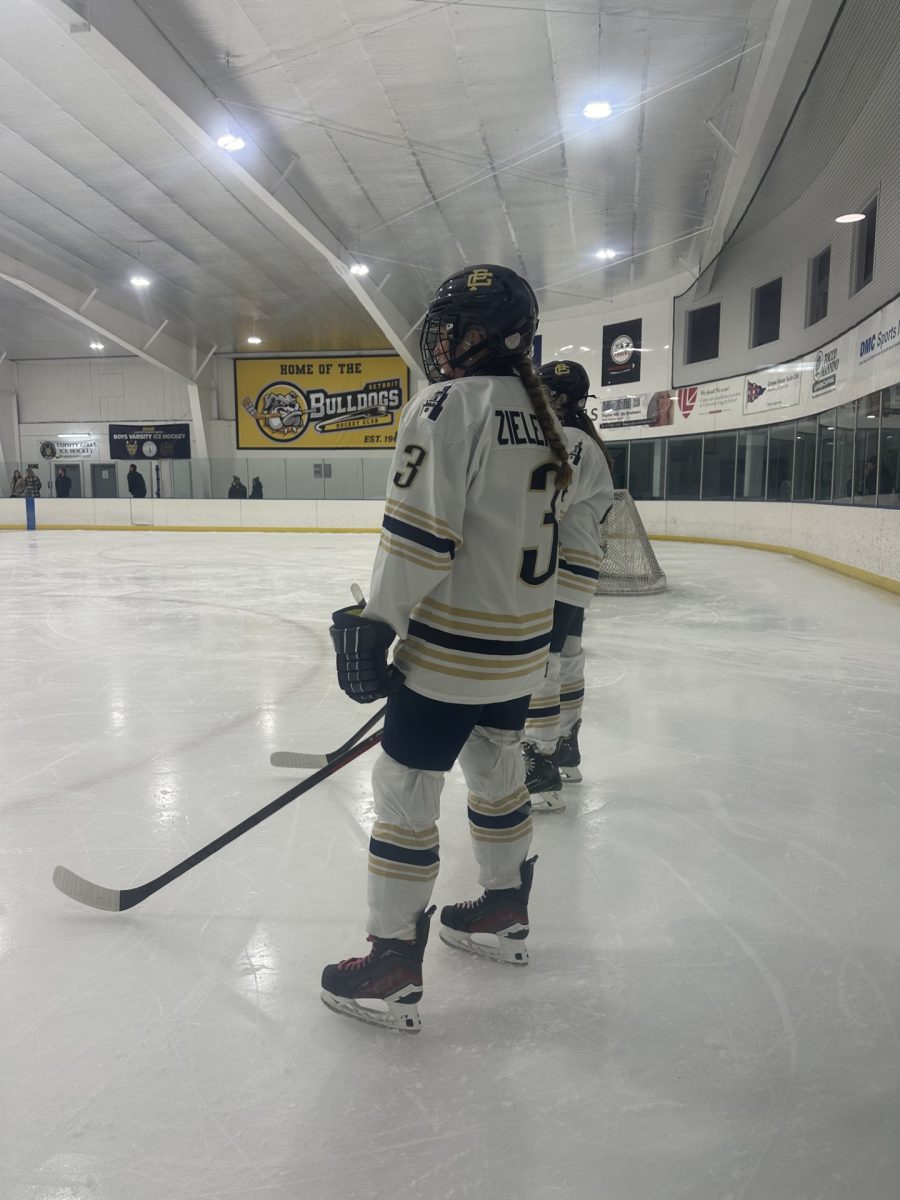
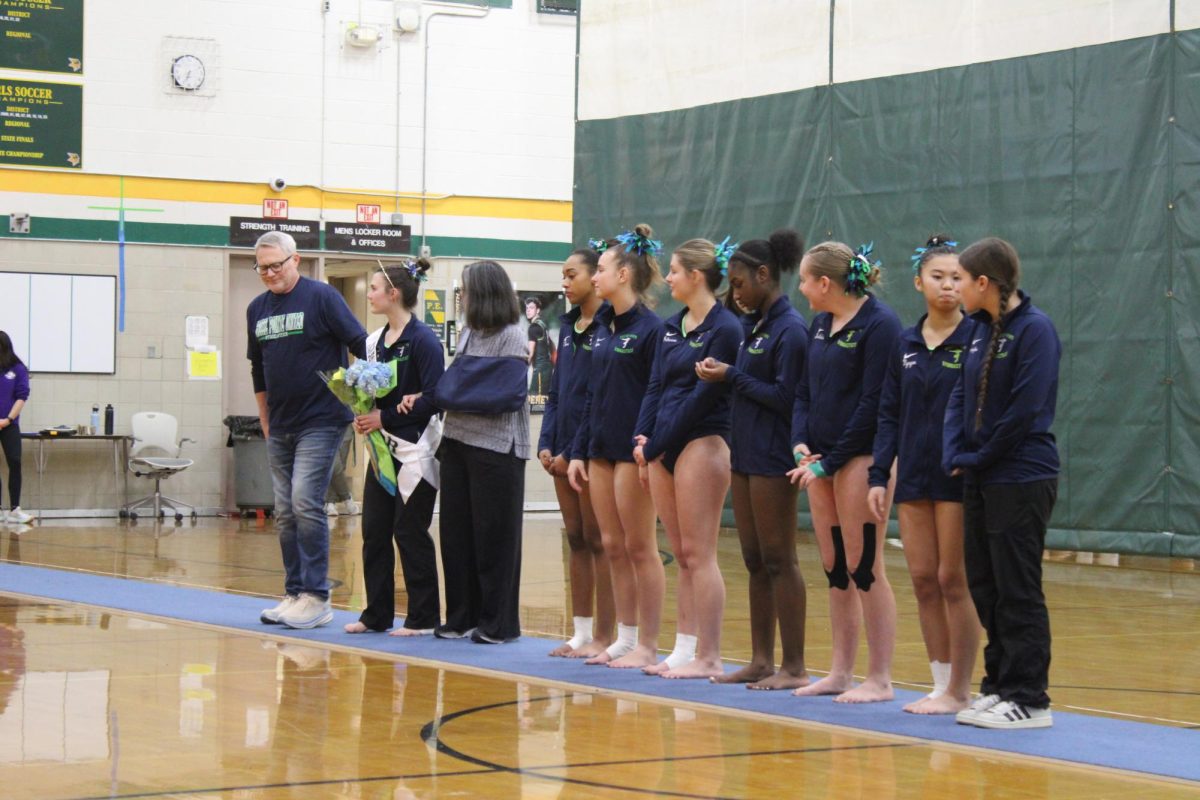





While most students are planning academic schedules and racing to keep up with homework, some student athletes are also planning trips to showcases, building highlight reels and sending emails long before the commitment post appears on social media. Behind the scenes, the recruiting process often consists of early tournament mornings, countless unanswered emails and years of preparation as athletes work toward the goal of playing their sport in college.
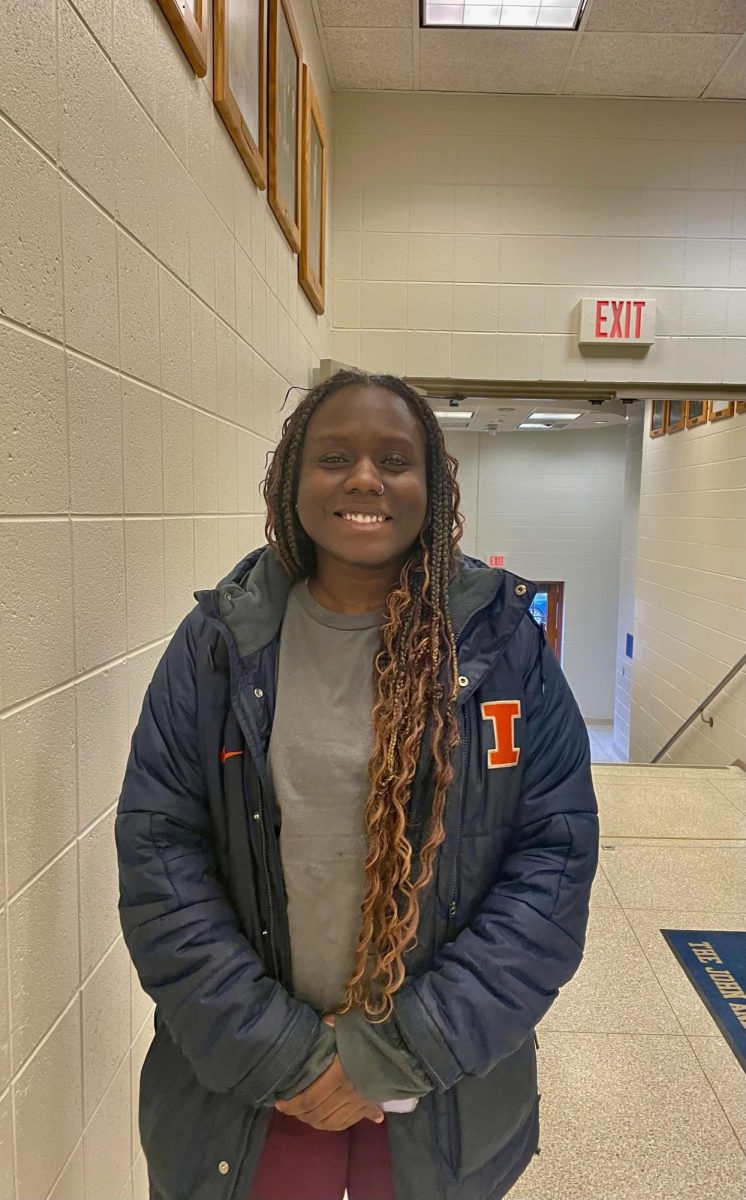
As recruiting becomes more centered around key timelines and preparation, many underclassmen are already feeling the pressure to be ready when opportunities open. For Wells Webber ’28, that preparation means having to balance her skill development with planning ahead. As a very competitive travel field hockey player, Webber said the months leading up to the June 15 contact date have pushed her to approach recruiting more intentionally.
“Knowing that I only have two more tournaments before June 15, right now I am trying to get all of my film done fast and look into camps for schools that I am considering. So when that time comes I hope that I will feel well prepared,” Webber said.
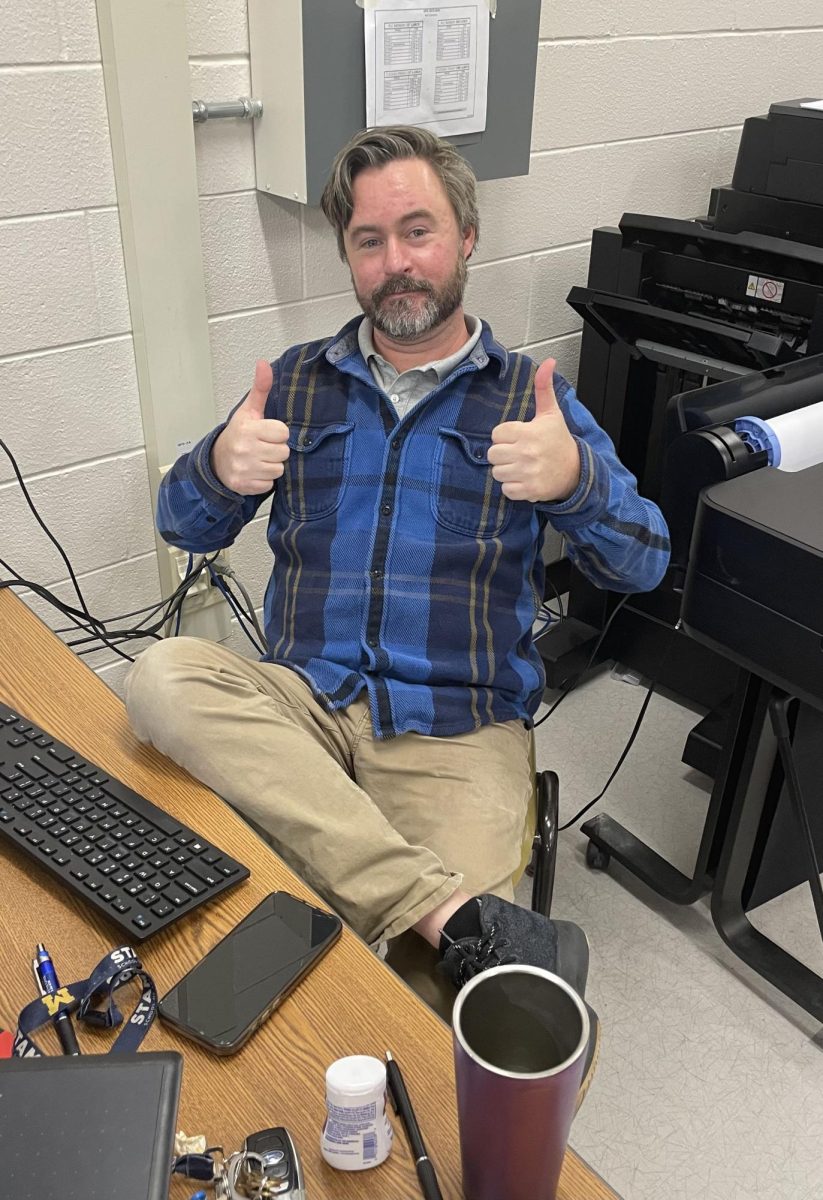
Because these athletes are beginning to prepare earlier, coaches say that the recruiting timeline can also look very different for every player depending on their physical development and overall readiness. Andrew Rishmawi, South athletic director and former college soccer coach at Saginaw Valley State University, said athletes should not feel rushed but should still take initiative in showing interest in college programs.
“You can always start as a freshman. No one’s saying you can’t just reach out and let them know you’re interested, but sometimes you want to be a little more physically developed and mature before you’re getting in front of coaches. But you can always reach out to share information, that’s great,” Rishmawi said.
Rishmawi added that talent alone is rarely what separates athletes during recruiting, noting that coaches often evaluate an athletes attitude and behavior just as closely as performance.
“Trust me, I know if I’m looking at one player, I have 10 of that exact same player already in mind. What separates them is going to be all those intangibles. It was always based on what they did off the field,” Rishmawi said, “What happens when that kid gets subbed out? Do they go to the bench, sit by themselves and sulk? Do they turn around, start cheering for the teammate they just went in? Because these coaches are trying to build championship teams”.

