





























Many individuals believe that informal public gathering areas play a vital role in socializing. Beyond the home and work environments, these third spaces, like coffee shops, bars, libraries and community centers, are essential for encouraging conversation, social interactions and strengthening relationships. After the COVID-19 pandemic, when kids were isolated and relied on screens to keep in touch, it has been harder to connect with others.
The term third space originates from the book “The Great Good Place” by American sociologist Ray Oldenburg, in which he emphasizes the role that ‘great good places’ play in fostering community. He refers to these places as ‘a third place,’ a place to go that’s not home or the workplace.
“Great civilizations, like great cities, share a common feature,” Oldenburg said in his book. “Evolving within them and crucial to their growth and refinement are distinctive informal public gathering places.”
Cara Kaslatas, a freshman at West Virginia University, believes that it feels like there aren’t as many casual, free spaces where teens can just hang out. She reflects on the contrast between spending time with friends in high school versus in college, adding that in high school, there were fewer third spaces to hang out at.
“In high school, we mostly just went out to lunch or hung out at each other’s houses,” Kaslatas said. “There are fewer places where teens can just exist without spending money or being supervised. A lot of public spaces now expect you to buy something to stay, and some places are stricter about loitering.”
According to a Pew Research Center article, daily activities moved online, and Americans’ reliance on the internet increased. 68% agreed that virtual connections were beneficial but not a replacement for in-person communication.
“After Covid, a lot of places became stricter or shut down completely, and some never fully reopened the way they used to,” Kaslatas said. “There’s also more awareness around safety, which can mean more supervision or restriction.”
According to Gallup, 51% of teens in the United States spend at least four hours per day on social media. Kastalatas argues that digital spaces can only supplement in-person interaction rather than fully replace it.
“Digital spaces have definitely stepped in to replace a lot of physical hangout spots, especially for teens. Social media, group chats and gaming platforms kind of act like the new hangout spot,” Kaslatas said. “Instead of meeting with your friends somewhere after school, we’ll FaceTime, play video games together, or just send videos back and forth.”
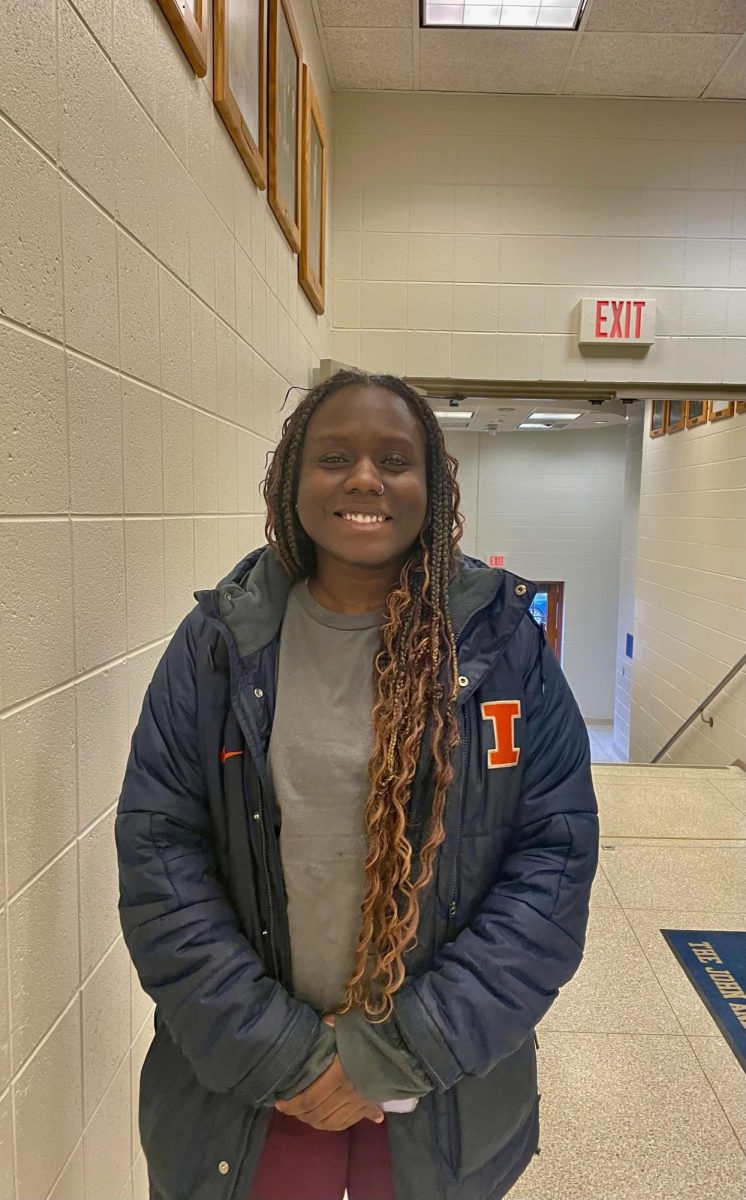
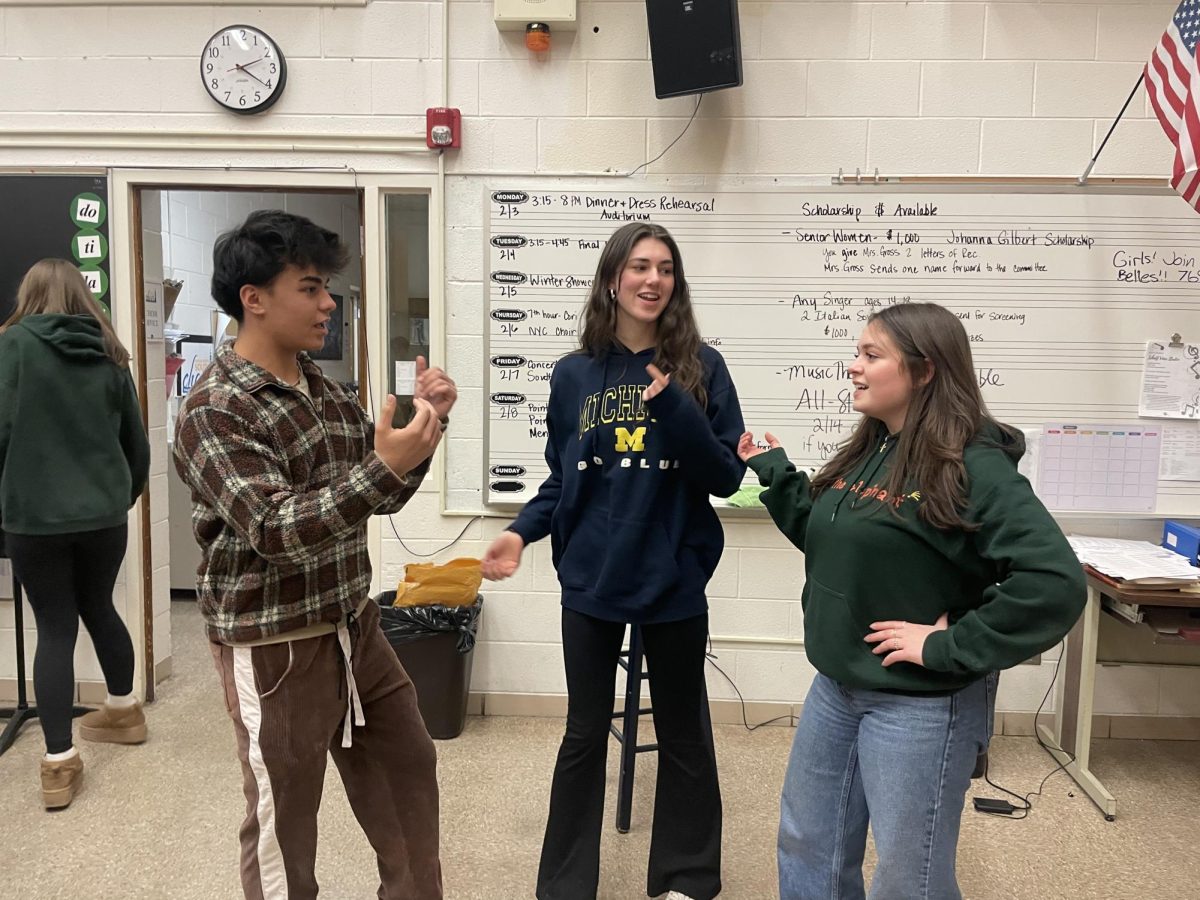
Kylie White ’28 recognizes that in-person communication is superior to online communication since your whole attention is present, whereas texting on a phone can be misinterpreted. She wishes she and her friends spent time in third places more frequently.
“I hang out with my friends multiple times a week at one of our houses,” White said. “I love going to places like the movies or out to eat, but we don’t go very often.”
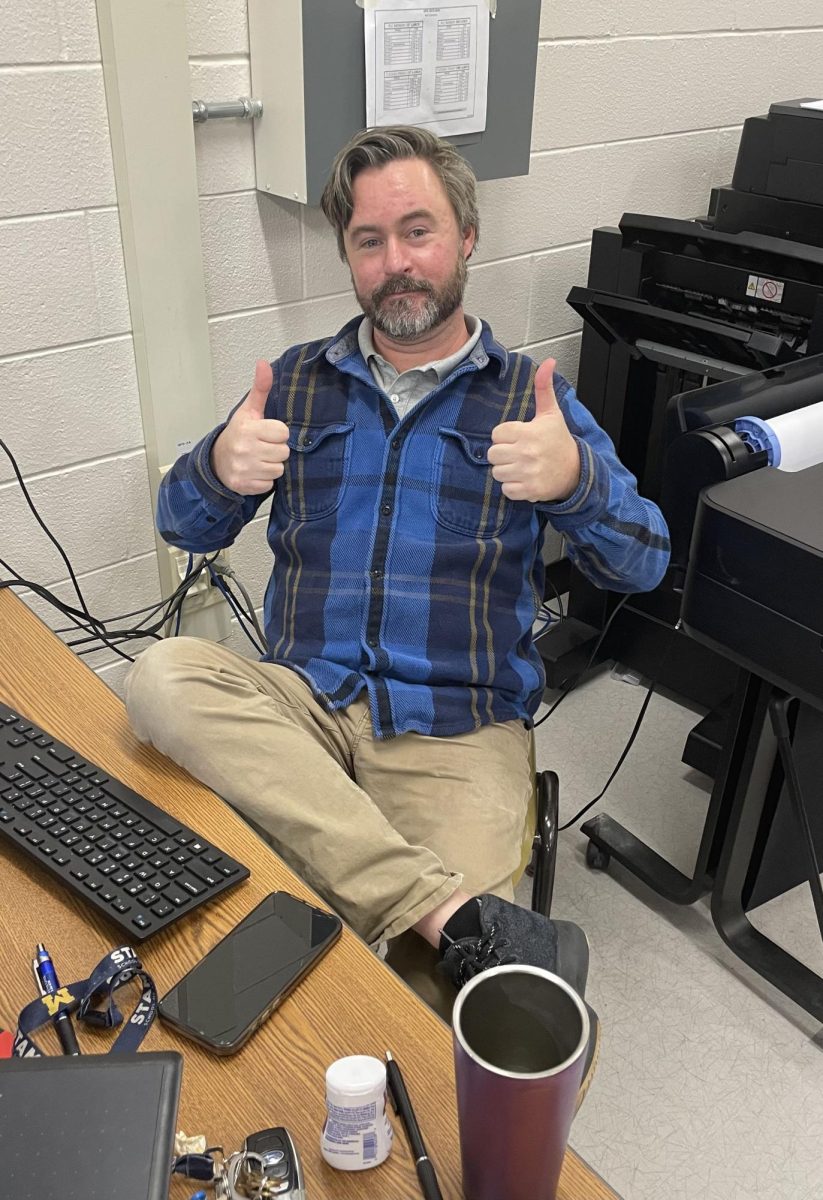
Erica Henk, an English teacher, feels that third spaces are diminishing by the month. She shares that when she was in high school, she and her friends hung out at her version of a third space: Lakeside Mall.
“We would all hang out there, not necessarily go shopping, but to hang out there,” Henk said. “It’s no longer a place where people can gather together.”
Henk thinks it’s incredibly important to be in person with people when you speak to them, instead of virtually. She fears that, over the years, communication has shifted mostly online, and wonders what spaces like these will be around in five years for younger generations.
“There aren’t as many places anymore for kids to meet up,” Henk said. “The social skills aspect to look people in the face and to be able to communicate in person, is so important and a lifelong skill that isn’t being practiced now.”