





























In 2000, the Centers for Disease Control and Prevention (CDC) reported that about 28,663 people in the U.S. died from firearm-related causes. In 2024, the CDC’s provisional data estimates that this number has risen to over 40,000.
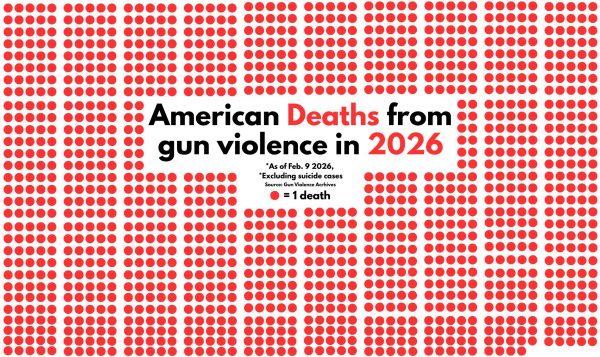
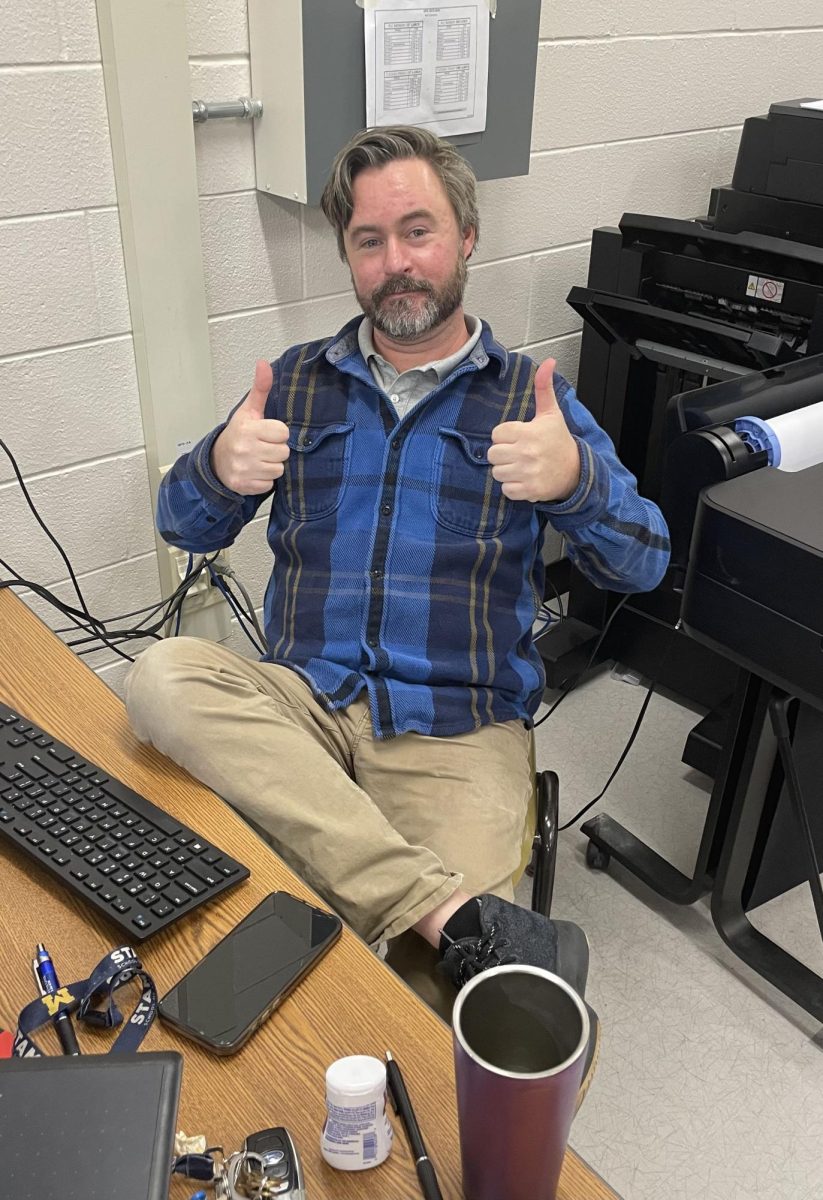
While near constant news of gun violence may begin to feel routine, for many in Grosse Pointe, like English teacher and union president Taryn Loughlin, the topic hasn’t lost its personal and emotional toll.
“I think specifically about our former Grosse Pointe students who died in or who were killed in the Michigan State shooting,” Loughlin said. “So any time it gets closer to home, it has more of an impact.”
The shooting at Michigan State University is just one among many recent events of gun violence in the U.S.. Coverage of these events has become expected in the news and other forms of media, which Loughlin says can affect the way people react to them.
“I definitely noticed that there’s a level of being desensitized,” Loughlin said. “We’re being bombarded with all of these things on the different platforms that we engage in.”
Assistant Principal Katherine Parent believes that the political polarization regarding the issue has also affected the coverage and reaction to media involving gun violence.
“I think because our country has, in the last 10 years, become much more divided politically, gun issues tend to be one of the political hot topics,” Parent said. “As our country is getting more divided, gun issues are just kind of feeding that divide. And so it’s something people are interested in hearing about and that’s why the news is maybe covering it.”
Despite the prevalence of coverage, the media doesn’t always cover the full scope of gun violence in the U.S.. A study by Michelle Degli Esposti et al. found that while mass shootings make up 55.3 to 76.2 percent of news reports, they account for just four percent of firearm deaths nationwide.
“With all of the media coverage of gun violence, I think some students, their anxiety gets the best of them,” Parent said. “School starts becoming a place where maybe they might fear and that should never be the case.”
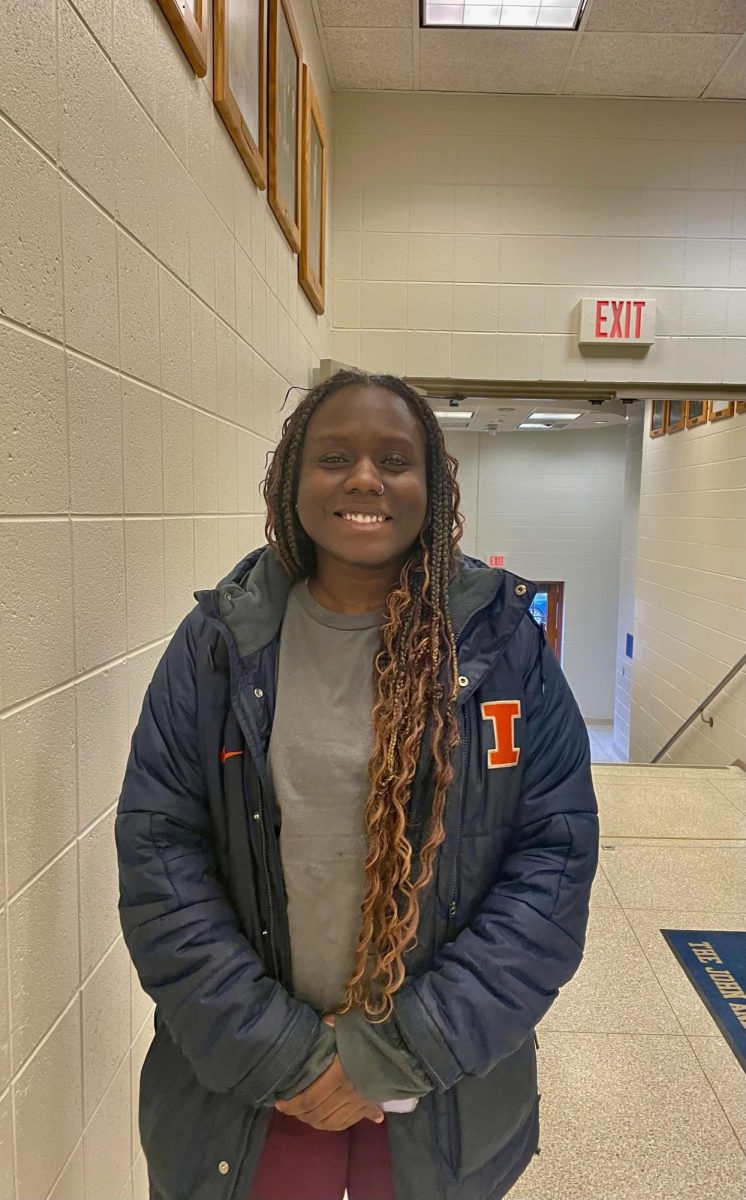
While Jack Sample ’27 agrees that the current state of gun violence in the U.S. can create anxiety, it is something that, personally, he does not consider as something that overtakes his daily mindset.
“I don’t come into school every day like, afraid or anything like that,” Sample said. “It’s just sometimes I worry about it a little bit.”
Even for students who don’t feel personally threatened, Parent argues that the heightened awareness of gun violence itself marks a significant change for this generation of teens.
“Teenagers today are just much more aware because of that and it’s making them talk about it more and it’s at the forefront of their mind because they get fed content about it,” Parent said.
For Parent, this contrast is even more apparent when considering her own experience as a student.
“We had things in school like lockdown drills, but they were rare,” Parent said. “I guess the bottom line is just, when I was a kid, this was not really something that we were thinking about very much.”
While some believe that teens should avoid thinking about gun violence, Tatum Gustafson ’28 argues that her own increased awareness of the events happening around her is important to create change in the future.
“A lot of my family tries to tell me not to think about politics as much because I’m still a minor, that sometimes it’s better to not turn on the news and turn on these podcasts that I listen to and see what’s going on in the world,” Gustafson said. “But, I think it would go against my moral compass to just ignore what horrible things are happening now. I think it’s really important to just be aware because I’m voting in the next election. I would like to be educated on these topics.”
Beyond news coverage, exposure to gun violence through entertainment media such as video games and TV has increased. South’s building officer, Jim LaBeau, believes that the increase of gun violence in the media affects the children watching and normalizes the subject.
“Kids are exposed to gun violence at such a younger age now with movies, video games and what they see on TV,” LaBeau said. “What they see on TV is kind of what they perceive could be like the real world.”
However, by creating an understanding around the consequences of gun violence and how to be safe, LeBeau believes that parents can help their children to be responsible with firearms.
“It comes down to proper parenting, proper teaching, especially at such a young age and especially for individuals who grow up seeing gun violence at such a young age,” LaBeau said.
Within schools, preventive measures are often taken by teachers through awareness and connection. For Loughlin, this means paying attention to the students in her own classroom.
“You watch your students’ behavior, you try and be more in tune with what’s going on with the student,” Loughlin said. “So if there are any issues, you can try and address them ahead of time.”
As mental health awareness has grown, many schools, including South, have implemented services and strategies to assist and provide care for mental health struggles. As a majority of firearm-related deaths are due to suicide, these services and policies are seen as a critical part of prevention.
 “We want [students] to feel welcome,” Loughlin said. “So our policies of PBIS, identifying when kids have academic issues and then finding out more and supporting them in that way. You know, just trying to offer spaces where students, if they aren’t feeling their best, have at least one person in the building that they can talk to.”
International comparisons further complicate the conversation and connection between mental health and gun violence. In a Commonwealth Fund survey, 23 percent of adults in the United States reported having a diagnosed mental health condition, the highest rate among surveyed high-income countries, with Canada and Sweden close behind at 20 percent.
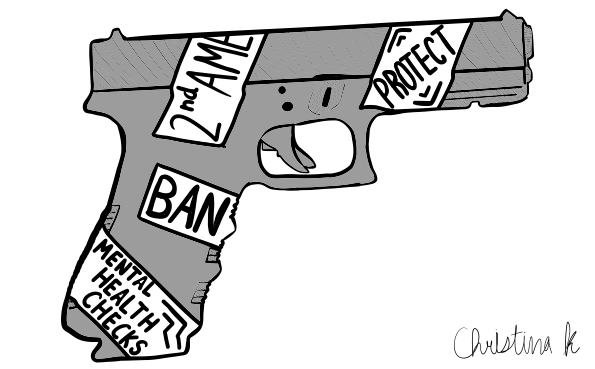
Despite similar levels of reported mental health challenges, Canada and Sweden recorded a combined total of approximately 4,176 firearm-related deaths between 2016 and 2020, far fewer than in the United States. For some, this disparity points toward gun policy as a key factor. Over the past two decades, relatively few federal gun laws have been enacted in the U.S.. One of the most recent, the Bipartisan Safer Communities Act, expanded background checks and invested in mental health resources. Broader restrictions on gun ownership and access, however, remain constrained by the U.S. Constitution’s Second Amendment, which guarantees the right to bear arms.
“I’m pretty pro-Second Amendment,” Gustafson said. “But I think there should be way, way, way more restrictions on it. Over the past couple of years, people really haven’t been recognizing that and haven’t really been trying to make any progress in keeping schools and our community safer.”
Amid this debate about gun restrictions, LaBeau believes some safeguards are necessary.
“When it comes to gun violence and firearms, I believe in more mental health screenings and more ways to prevent certain individuals from being able to get access to firearms,” LaBeau said. “I also like what the government is doing about safe storage for firearms.”
While opinions on gun control may vary, students like Gustafson see advocacy as one of the few things they can do. Gustafson said that she does what she can to raise awareness and change regarding gun violence. She posts on social media and has even spoken with Senator Elissa Slotkin before her election to discuss background checks.
“For our generation, I think the best thing we can do is continue to voice our concerns, protest and post about it,” Gustafson said. “We’re the ones living through it.”