









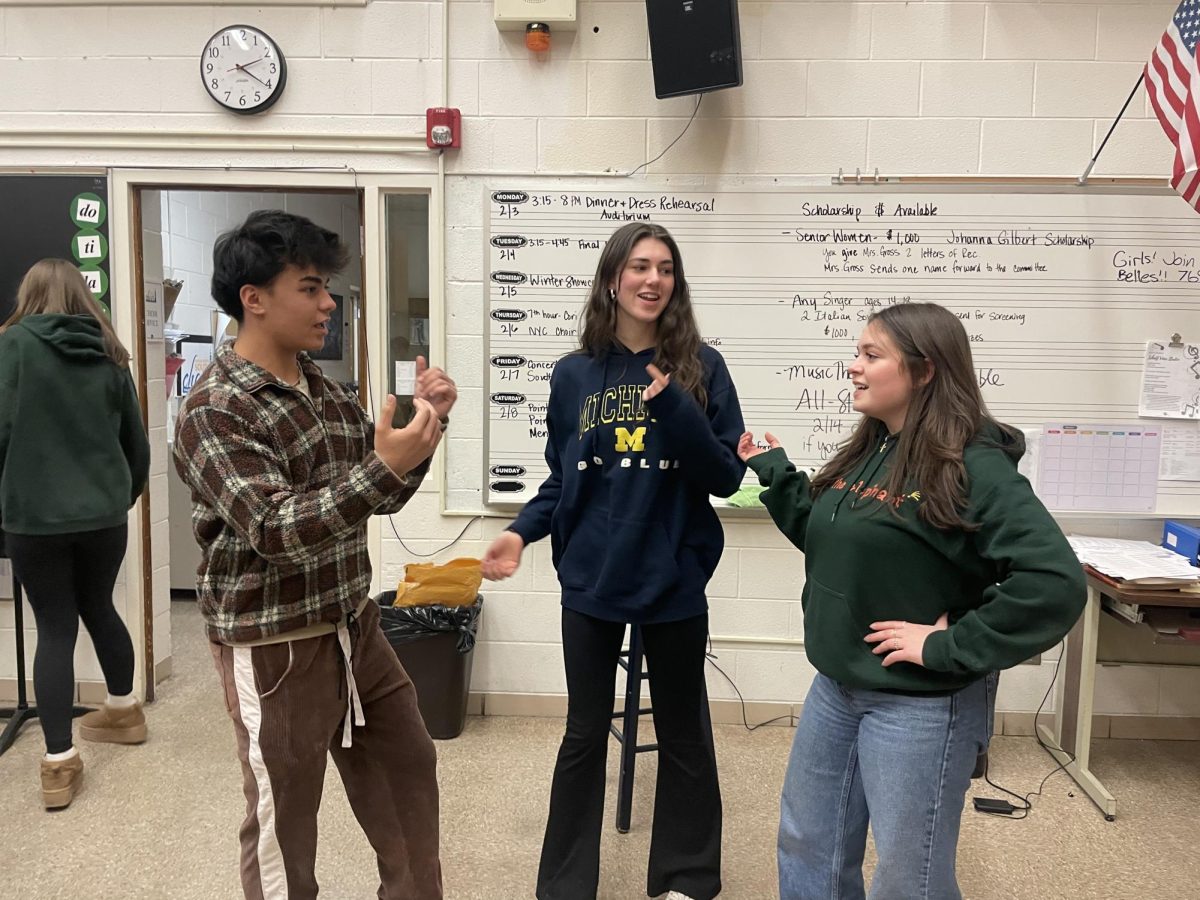









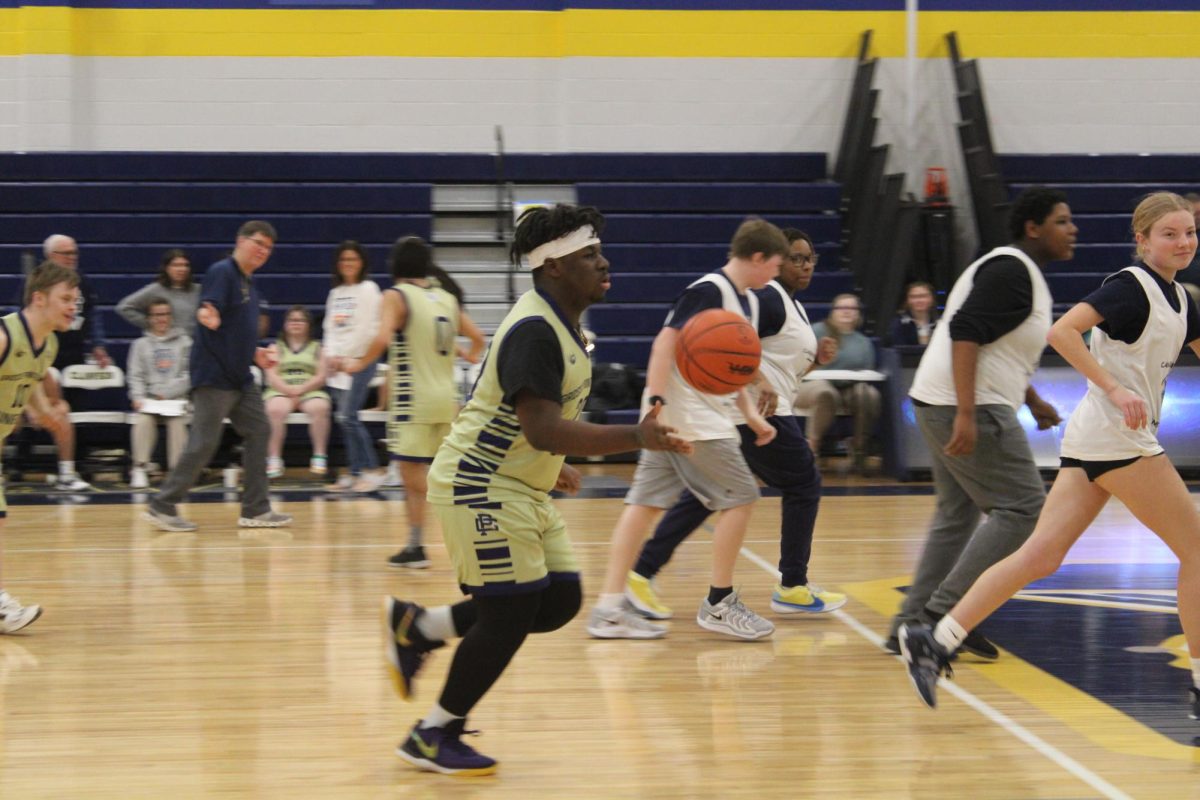
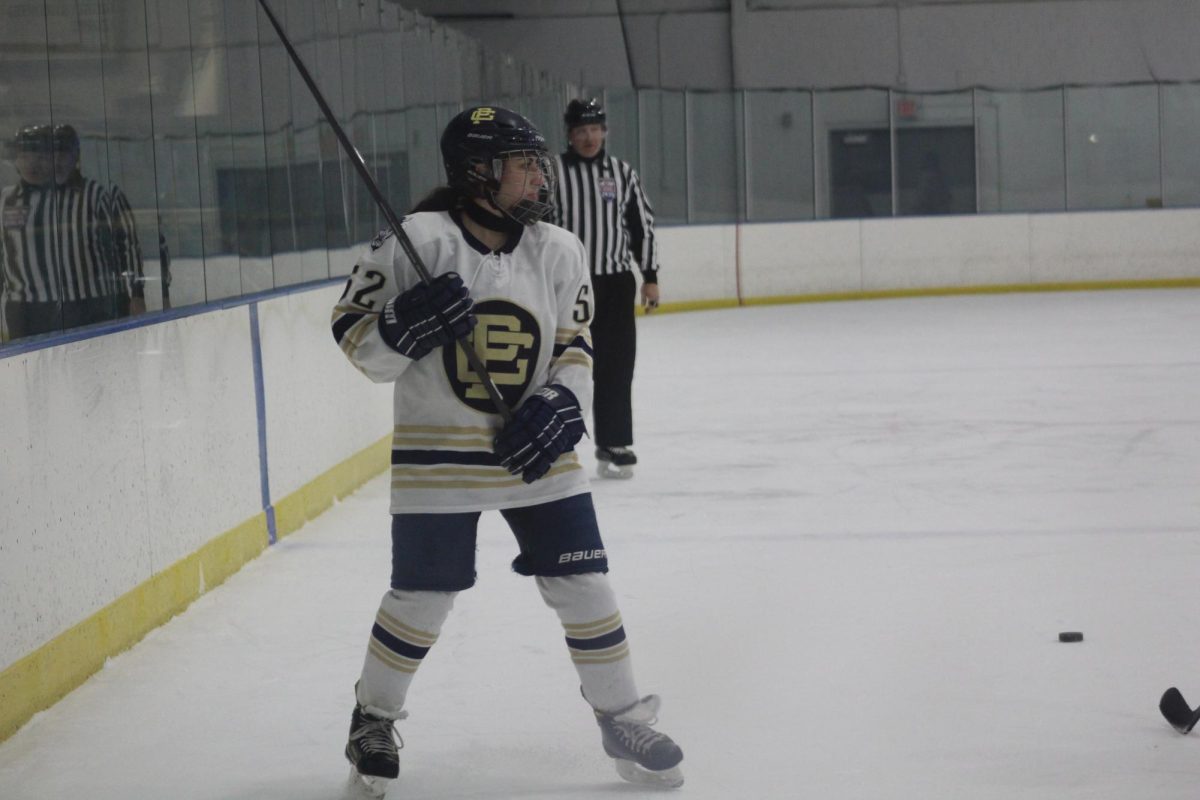
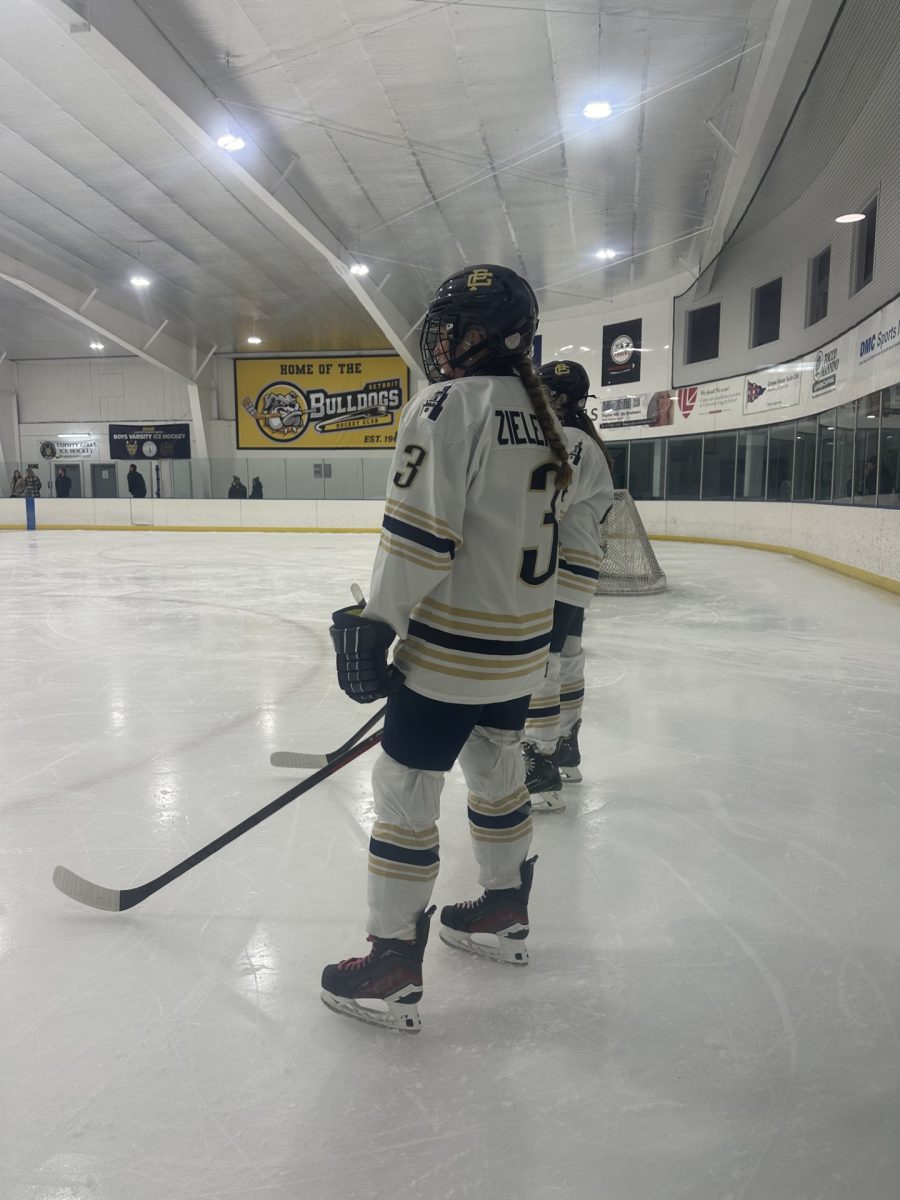


The story of American progress is, in many ways, the story of collaboration. From the earliest days of American industry, collaboration has been a force shaping not just the workplace, but the nation itself. Today, in classrooms across America, students and teachers continue to grapple with what it means to work together, drawing lessons from both history and one another as they prepare for a future that will require teamwork in every field. This issue of the Tower focuses on collaboration in practice. Staff members have been paired to work on a single story together, creating friendships and teamwork.

To bring this vision to the classroom, the leadership team at the Tower implemented a change to the way staffers produce their content. Isaac Brenner ’26, the Print Editor-in-Chief, reflects on the intention behind this shift and the impact it has had on the publication’s environment.
“One of the leadership team’s and my goals for this year was to enhance culture on staff by promoting collaboration,” Brenner said. “This partner issue gives us that opportunity by connecting staffers to work together and learn from each other as journalists, and hopefully learn more about one another.”
The results of this were felt almost immediately, shaking up routines and energizing the staff in unexpected ways. As the team adjusted to the new system, Brenner observed a transformation not just in the stories they produced, but in the atmosphere of the newsroom as well.
“It was a decision; the editorial board was split, and even I was against it at first, but I could not be happier with what I’ve seen from the classroom this week,” Brenner said. “Staffers are having fun, working together well and producing some of the best stories we’ve had this year. I’m very proud of how the staff has come together and brought this initiative to, and am glad I was convinced by others to follow through with this opportunity.”
Beyond journalism, collaboration plays a big role in today’s classrooms. In English, honors American literature teacher Ericka Henk observed that students thrived when they were given the freedom to team up and work together.

“I have one project, creative spirit, where I feel like students have flourished with creativity because they are allowed to pick the different voices that they’re inspired by throughout the unit and, on their own, will do their own research together,” Henk said. “I’m so impressed with the beautiful, creative work that students have produced, and so many of the students who have shared work within that project.”
For Henk, collaboration is about sparking creativity and encouraging students to trust themselves and each other. Her approach to group projects is intentionally open-ended, pushing students to find their own voices and learn from their peers. Still, she knows that the path to successful collaboration isn’t always easy for teenagers.
“I want them to try not to be self-conscious about talking and about answers, because sometimes we’re afraid of what others might perceive us. I’m hopeful that students feel comfortable within their teams in my class, but maybe we can learn to let go, too,” Henk said. “And although that might be hard as a team, my piece of advice is to not be afraid, to let yourself be out there a little bit.”
Henk’s encouragement to be open connects with many of her students. For Clara Spearman ’28, an honors American literature student, letting go of self-consciousness is what transforms group work.
“It is really good to work with other people, because I’m sure I wouldn’t have thought of all of the things that we came up with and how we connected them,” Spearman said. “I can’t remember everything, you know. So it’s good to have other people to remember things, but it’s also helpful that different people can connect other things.”
Collaboration also plays a significant role in subjects other than English as well, particularly in science classes. Honors Biology teacher Kristen Della Mora finds that when students work together in her class, whether it be for small labs or big projects, they are preparing for future collaborations after high school.
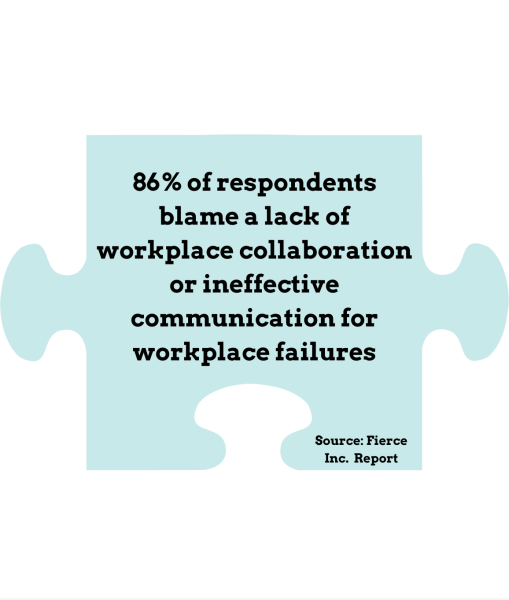
“I think 100 percent [collaboration] is very important in classes, especially science classes, and in life too, working,” Della Mora said. “When you’re working as a team and brainstorming together, problems seem more approachable and solutions seem more attainable. I think sometimes when you’re working by yourself, you’re just, ‘I don’t get it,’ or ‘I don’t know,’ and then that’s discouraging.”
Della Mora understands how working with others can help one’s understanding of subject material. She also highlights how collaboration encourages introspective growth in students, helping them to learn, academically, who they are and how they work with others.
“A life lesson [from collaboration] is you’re not always right,” Della Mora said. “Everybody has strengths and weaknesses. So if I had a problem that I couldn’t quite figure out on my own, I absolutely would collaborate with someone, work with someone, and we’d be a lot more successful that way.”
As a student who has had much experience in working with others through her time at South, Immaculee Deschaine ’26 has discovered a lot about what collaboration is and how to do it. In science classes, during group projects and labs in particular, she has found that all students participating need to be committed.