






















As seniors take the next step in their lives and decide to go to college, trade school or stay at home, the debate of whether seniors are prepared or should be prepared to take on life skills like cooking, cleaning and laundry comes to focus. With leaving home comes new responsibilities, many students have never had the need to complete and could potentially become a new learning curve in their first year on their own.
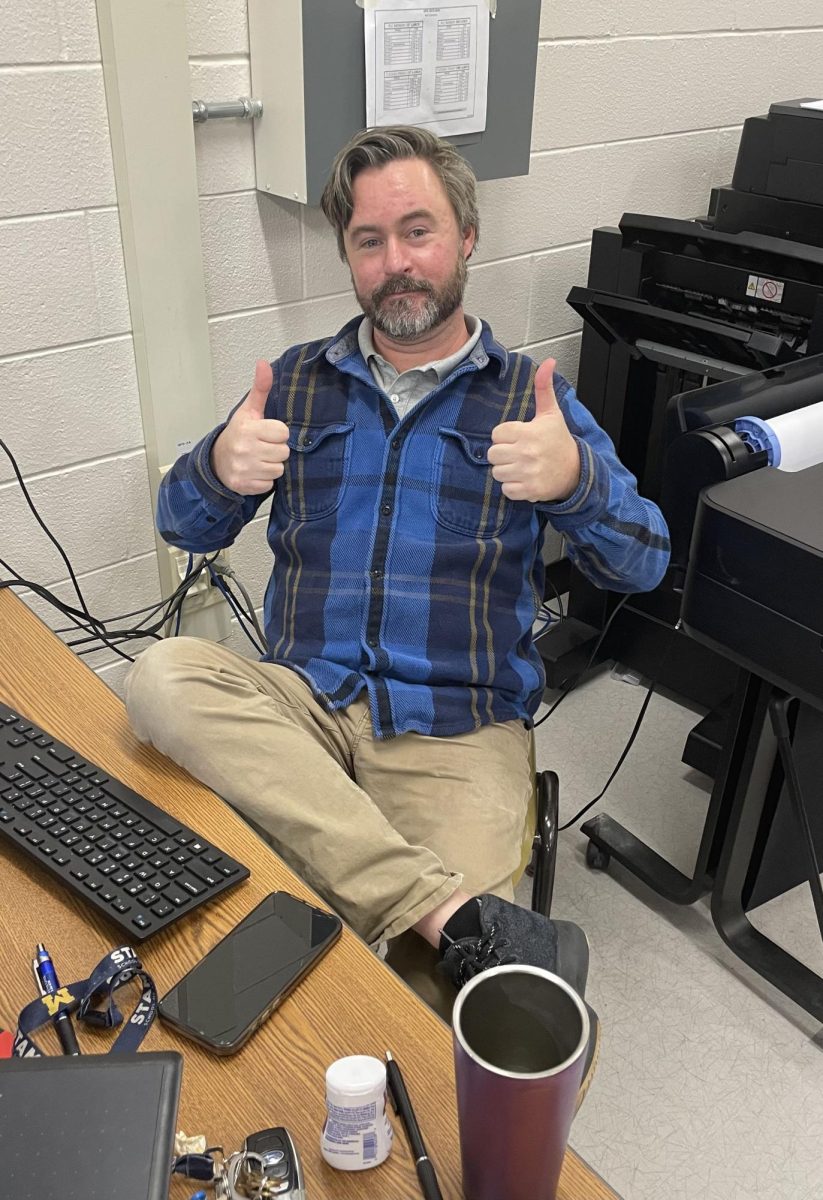
In a study done by The Institute for College Access and Success, 22 percent of incoming students attended college out-of-state in fall of 2020. This distance from home forces students to adapt and take care of themselves. For English teacher Kevin Cox, completing daily life skills was not new when he went away to college.
“There’s always a learning curve when you’re entirely on your own, but it was good to be able to know how to prepare certain meals and take care of some things that occasionally go wrong when you own a house or you’re in an apartment,” Cox said. “It’s just good to know some of those things.”
In a survey fielded by YouGov, 70 percent of parents say their children regularly do chores and 15 percent say that it’s not important to them that their children do chores. Colin Hynous ’26, who hasn’t been in a position where he was needed to cook or do laundry, understands the importance of knowing how to complete certain life skill chores before going off to college.
“Chores outside of cleaning my room were just never asked of me and my parents usually split up the cooking and laundry,” Hynous said. “I do think that you should know these skills in order to go to college and I should probably figure them out before I leave home, but I still have time.”
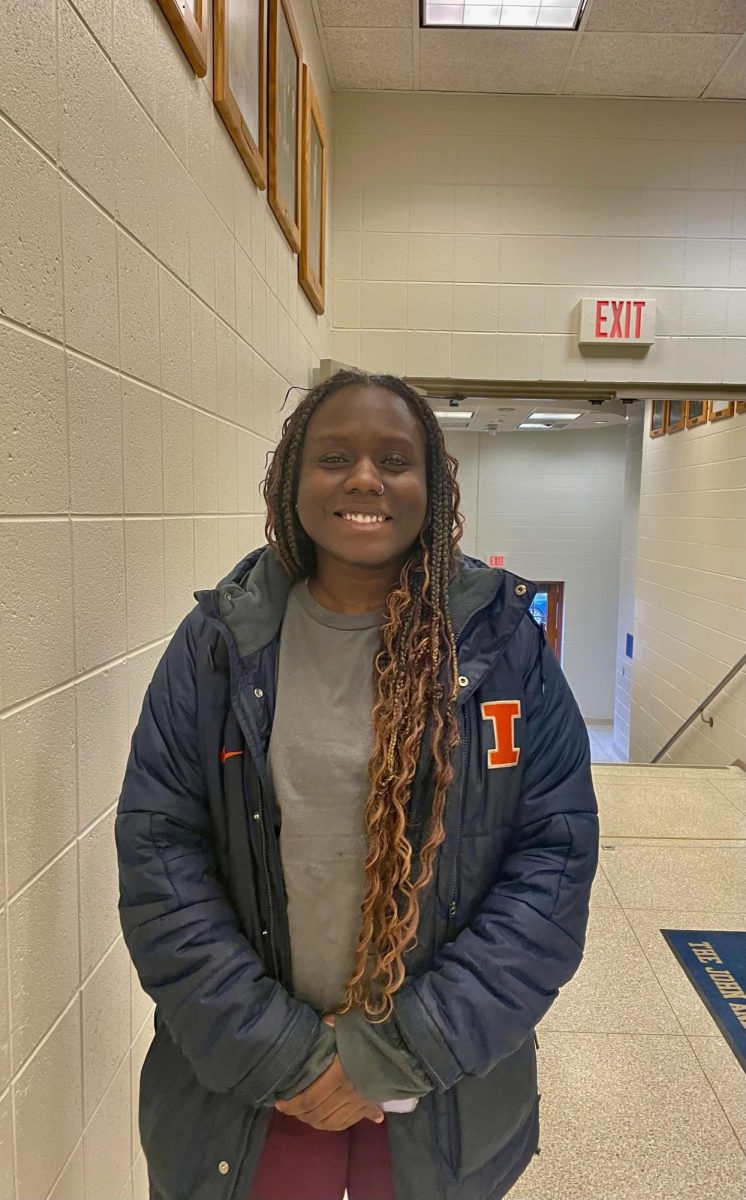
While chores may not be important for some or not a major part of their life, there are some seniors who wouldn’t agree entirely. Katie Crane ’26, who has been doing chores her whole life, thinks being able to bring certain life skills to college and fend for yourself is imperative.
“I think going into college it is very important to know basic skills like how to cook for yourself and do your own laundry,” Crane said. “It’s important to just stay organized and live a clean life in college, especially when parents or people who usually do it for you aren’t with you.”
And while some students may have not grown up with chores and life skills at home, most seniors agree that these skills can be beneficial to the transition between high school and college and may prove long lasting after the transition into adulthood.
“I do think it [having grown up with chores] just helps build that resilience and that sense of pride in taking care of what you own and also being able to repair or maintain property or an appliance,” Cox said. “Just having that sense of responsibility was helpful.”