





























In early April, a class action lawsuit was filed against the college readiness platform Naviance. Any students who used the platform from Aug. 18, 2021, to Jan. 23, 2026, are eligible to participate in the $17.25 million lawsuit, according to the Parent Coalition for Student Privacy. Naviance released the private information of many students, including test scores, violating the rights of the website’s users. It is not yet clear whether the information was released by accident, given the recency of the case.
This leaves many students with a big question: what can we do, and what will happen next? South counselor Jennifer Vick says many students have and can continue to get involved in the case. An email was sent by South to seniors explaining how to join the lawsuit.
“I think there is also a matter of principle here,” Vick said. “It sends a message to these entities to not be careless, or to not treat our information carelessly.”
Not enough details are clear to know the exact impact the lawsuit will have. Vick also stresses that the lawsuit may not have a major impact, and won’t prevent South from using the platform or change how Naviance operates.
“As far as [at South] I don’t think [the lawsuit] is likely going to change anything we do on our end,” Vick said. “I think the way we handle data here is pretty solid.”
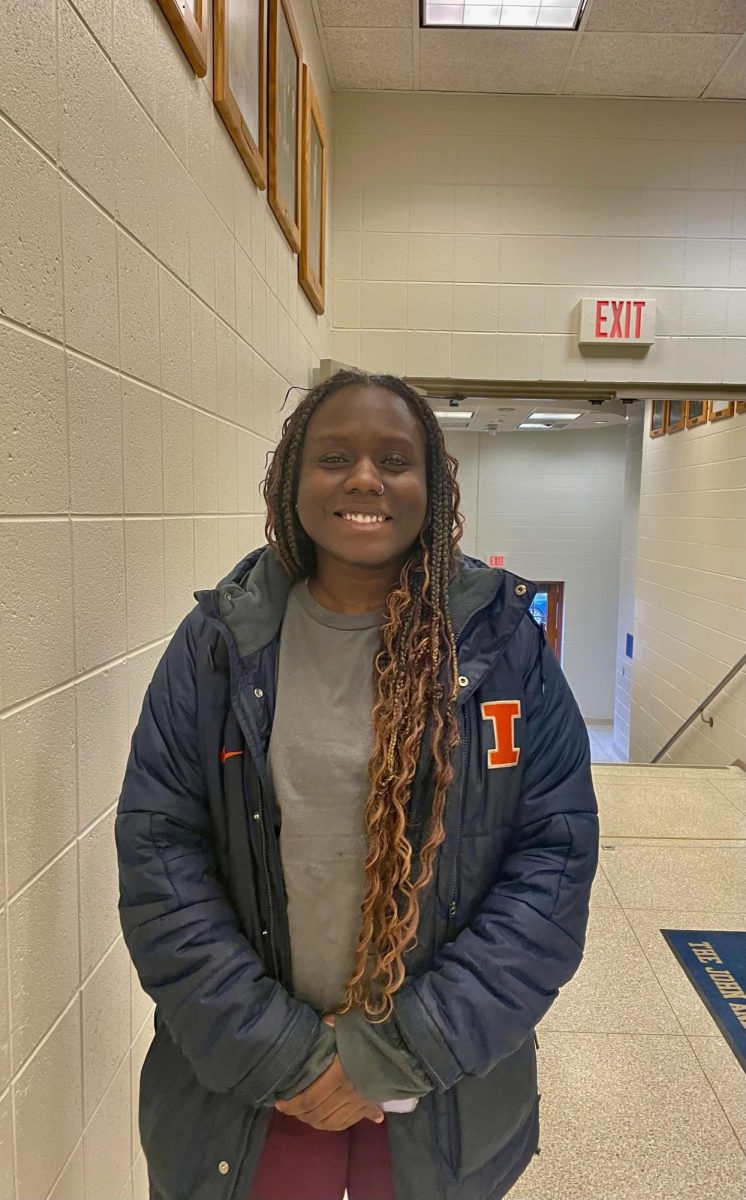
The violation of privacy makes many students feel uncomfortable and may lead them to take action. Courtney Cowan ’27 has yet to dive deeper into Naviance, but she has still used it for many college-related purposes.
“I feel a bit violated,” Cowan said. “There is a reason we don’t talk about our grades much with other people and why we don’t share our passwords. I don’t like that stuff possibly being done without my permission.”
The final hearing for the lawsuit will be held on Aug. 19, 2026, so students are encouraged to still act on the lawsuit, and as more information comes out, students will still be informed. Both Vick and Cowan convey a lesson to be learned by both students and companies.
“People need to know that we always have to be careful online with our passwords and what we use them for, send them to, and what we talk about,” Cowan said.
