






























On March 30, 2026, the class-action lawsuit against David Protein Bars was voluntarily dismissed. The plaintiffs had alleged that the bars contained up to 80 percent more calories and 400 percent more fat than the 150 calories and two grams of fat listed on the labels. Even with the case being dismissed, these allegations may have led many consumers to question whether the protein bars they regularly purchase are as healthy as they thought.
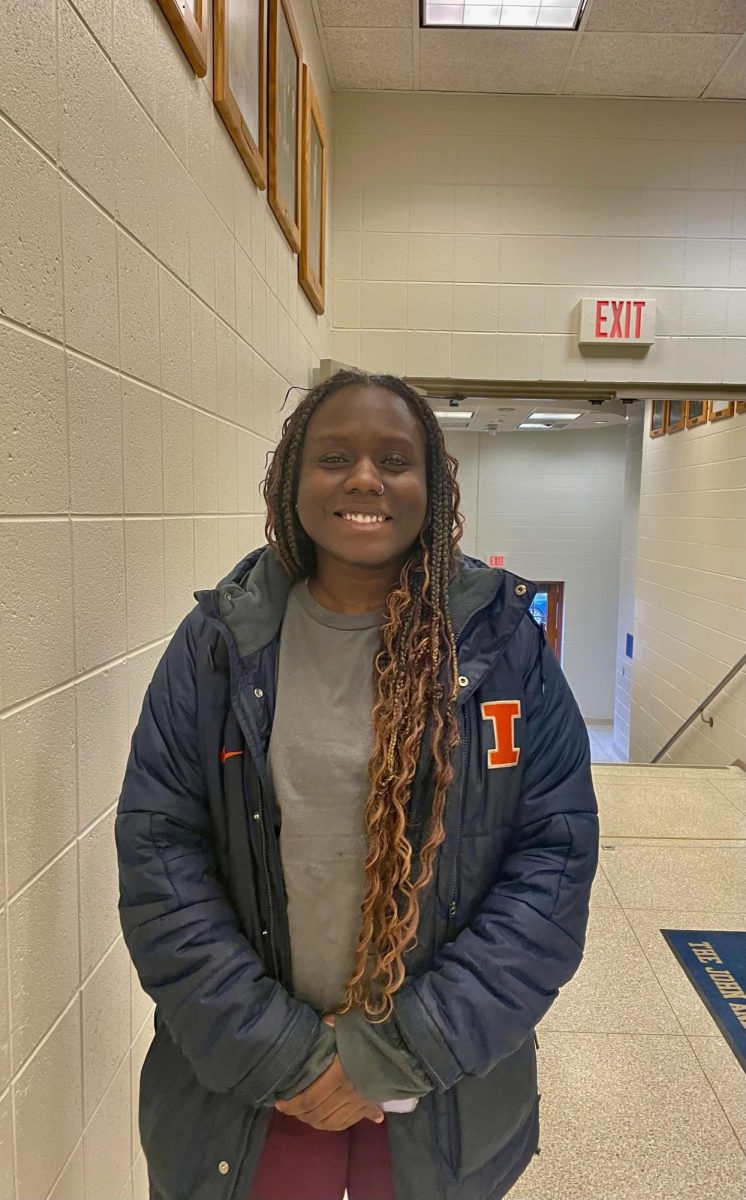
Even without a legal ruling, many are left doubting the accuracy of nutrition labels, not only for the David bars but also for other brands targeting the same audience. That uncertainty has led some to rethink their choices when it comes to consuming protein bars, as they may not be as healthy or honest as the brands claim to be. Sofia Beacham ’28 has tried these bars before and repurchased them, feeling impacted by this lawsuit.
“If David was lying about their calories for that long, why wouldn’t other brands?” Beacham said. “This is important for me as I try to maintain a healthy diet.”
The current goal of the brand is to earn customers’ trust back by rigorously defending their credibility and nutritional labeling. David has asserted that its formula complies with FDA requirements for measuring and reporting nutrition content.
“We are pleased this matter has been resolved and look forward to continuing to focus on our customers and our business. We remain confident in the accuracy of our nutrition labeling,” The company said in a statement after the case was dismissed.
For people who closely track their daily macros or calories, the uncertainty that has arisen from this lawsuit is concerning. Those who rely on this precise information from the food packages use it to decide what to eat each day. When those numbers are fake, someone’s carefully planned diet is significantly affected. Evelia Messenger ’28 meal preps each week and tries to have a balanced diet.
“I think this could be really impactful to the people who work really hard to track their fat and calorie intake,” Messenger said. “This has definitely hurt my trust in other brands like this.”
Despite the case being dismissed, consumers remain distrustful of the health foods market. With calories and fat percentages being important to the people that are targeted by this industry, many are left to question whether the products they feel they know and trust are as healthy and honest as they hoped.
“I could’ve accidentally been eating twice the amount of calories I thought I had,” Messenger said. “And that’s scary to think about.”
