


















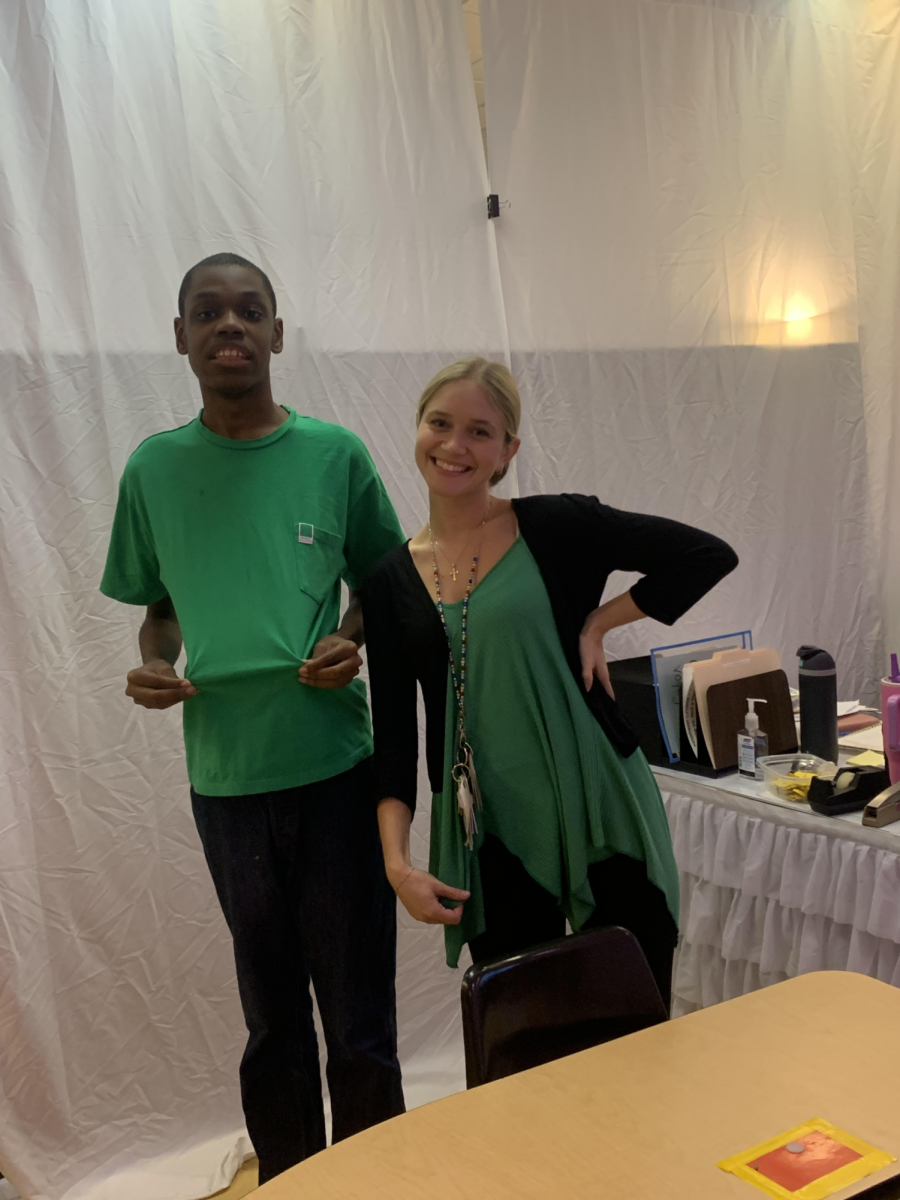
The relationship between general education students and special education students is a bond that not everyone has the privilege of experiencing and understanding. It has many benefits for both students; general education students can build their leadership skills by modeling their behavior, allowing special education students to learn based on what they observe.
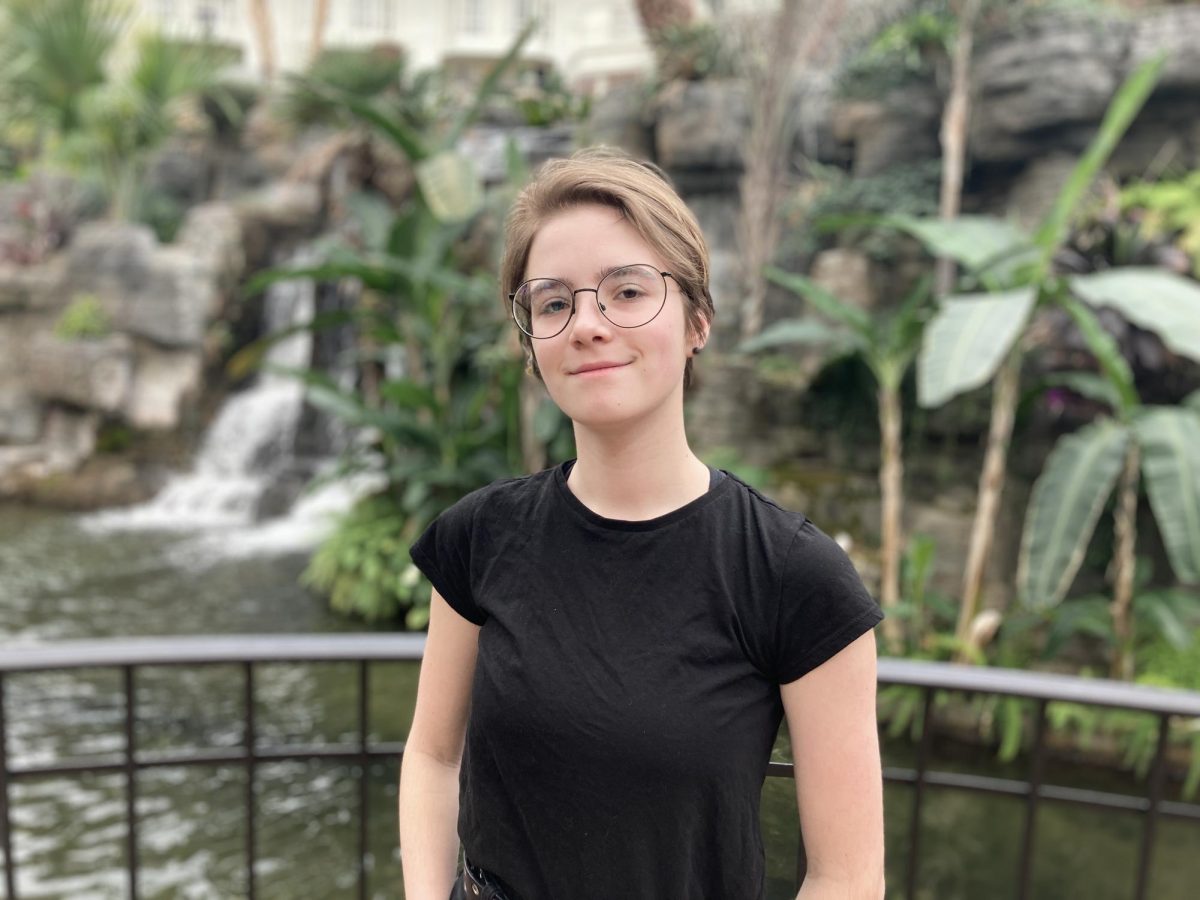
When South special education teacher Anna-Mary Kloostra was in high school she did an independent study, where one hour a day she assisted in a special education classroom. Her time taught her that special education students are more capable than people believe.
“Getting rid of those barriers comes with just interacting with them more,” Kloostra said. “So it made me fall in love with just like, wow, they can do these things.”
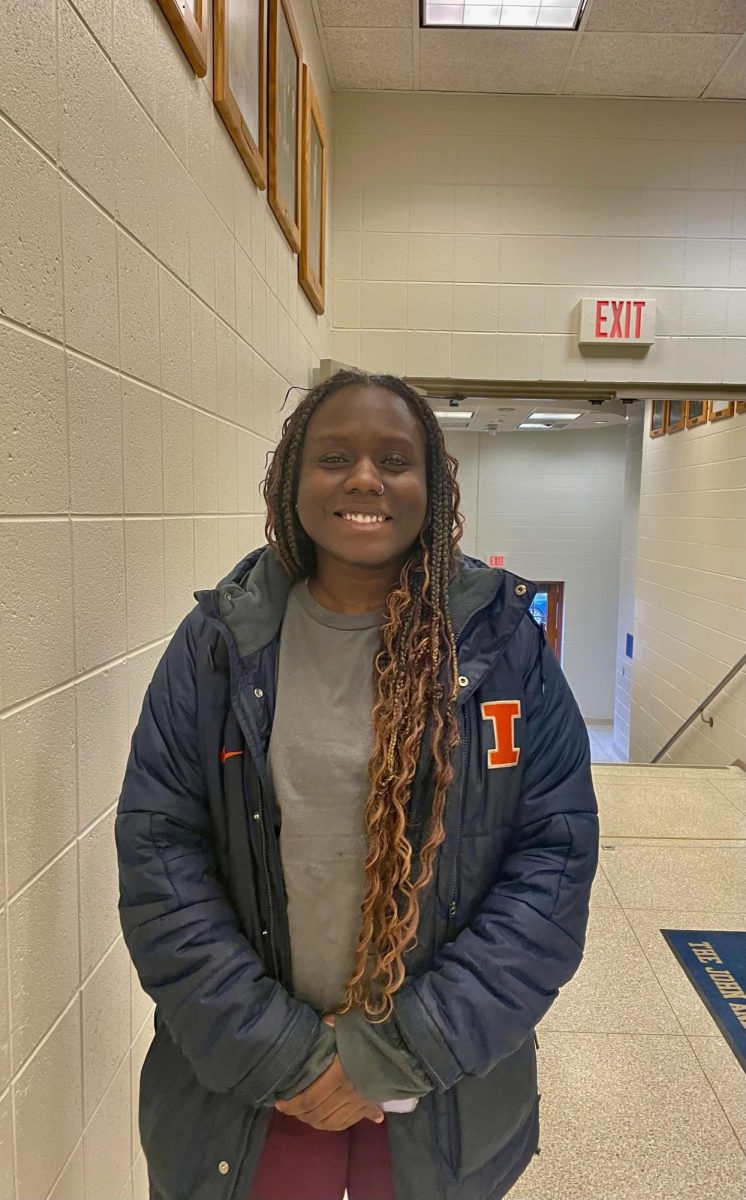
Having these relationships within the family can have its own benefits. Jordan LeBlanc ’28 has an older brother with Down syndrome. While he is primarily independent, LeBlanc can learn skills that she wouldn’t always learn from an older sibling without disabilities.
“As I got older, I got more mature in a way and he kind of always stayed the same,” LeBlanc said. “I’ve just always been taking care of him, making dinner for him. It just kind of taught me how to take care of someone and have that responsibility.”
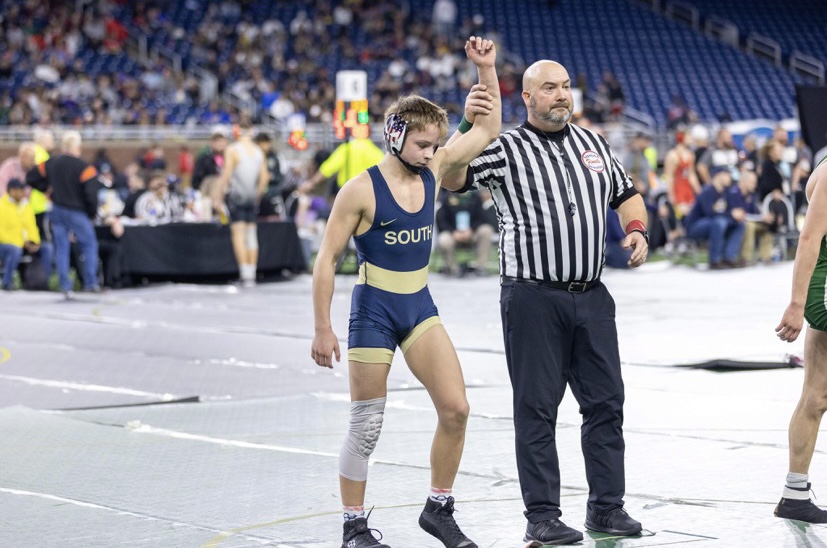
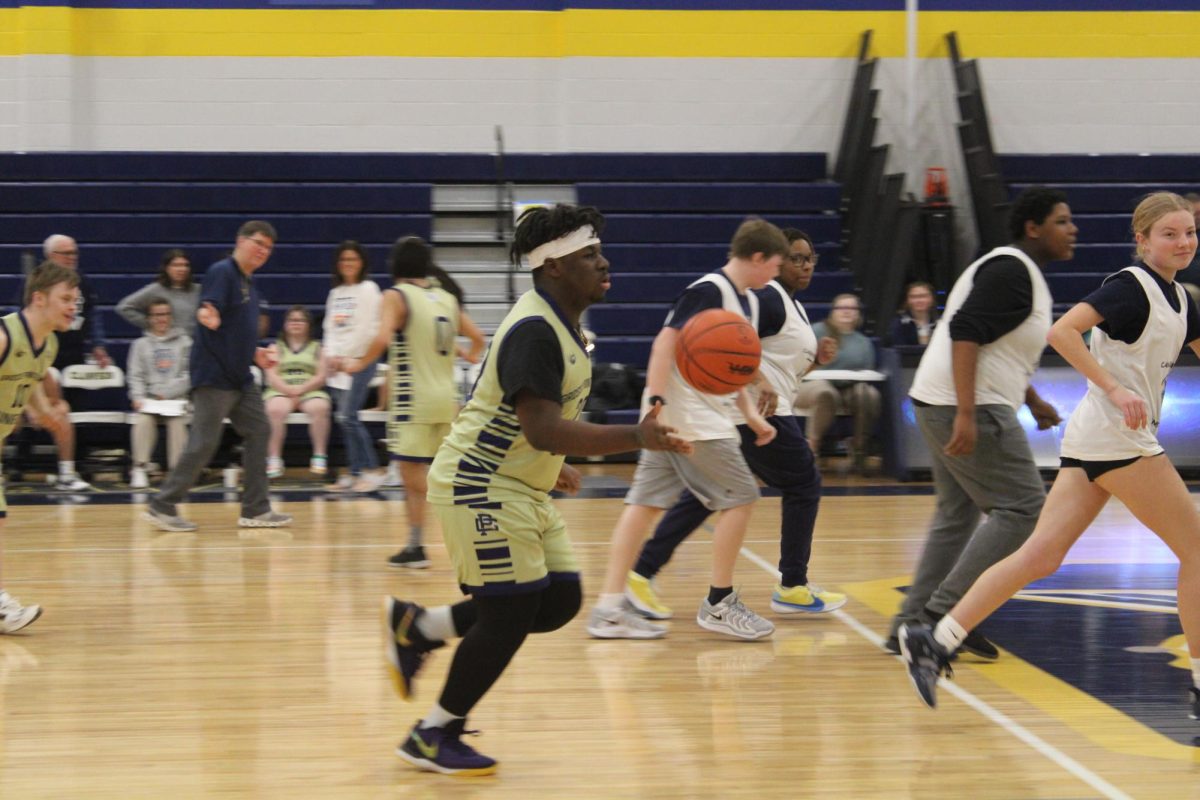
A great way to branch out and make these connections is through clubs and sports. Unified Basketball partner Evren Celebi ’27 believes that creating a connection with special education students, as opposed to general education students, is in some ways easier.
“I feel like they’re less likely to judge you for who you are,” Celebi said. “They don’t have the perception on life and you versus somebody who doesn’t [have a disability]. It’s nice to have somebody who does not know who you are, you get to bond with them in a different kind of way.”
The realities of people with disabilities is they are all different, though some people often see them as all the same. Kloostra mentions the saying that “when you meet someone with autism, you’ve met one person with autism” because it truly is a spectrum.
“If you’re shielded from that and you do your classes and you’re never interacting with anyone who has either ASD or any disability, then you probably will cling on to what you’ve heard,” Kloostra said. “It really takes that extra step of working or just making friends with them.”