

























On March 4, the Grosse Pointe Parent Advisory Club (GPPAC) for Special Education had its first meeting, beginning its journey of making sure all students and parents are heard. GPPAC plans to have meetings where they hear parents’ worries, and then give them a voice by meeting with Student Services or Dr. Bishop to voice these concerns and get questions answered. President Dr. Jill Wurm has a PhD, focusing on representation of neurodiversity across entertainment, social media and digital spaces, and has a son with autism in the district.
“There’s a lot of stuff happening across the district, especially when you have a single child that’s in a single program, then that’s all you know,” Wurm said. “So it was very interesting to hear all the different things that are happening in other schools and have a better understanding of what was offered.”
The ultimate goal of GPPAC is to connect parents with the resources they need so that both them and their children can be successful. Vice President Dima Hausser is a para pro at Pierce with a daughter in the ASD classroom.
“Mostly our goals are to create a community so parents can connect,” Hausser said. “Sometimes being in this process, navigating the special education system and everything that surrounds it can be very lonely.”
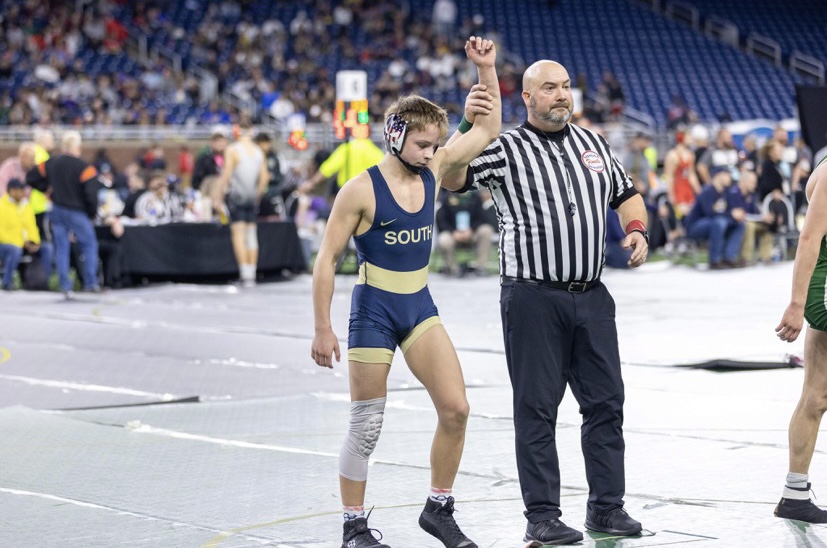
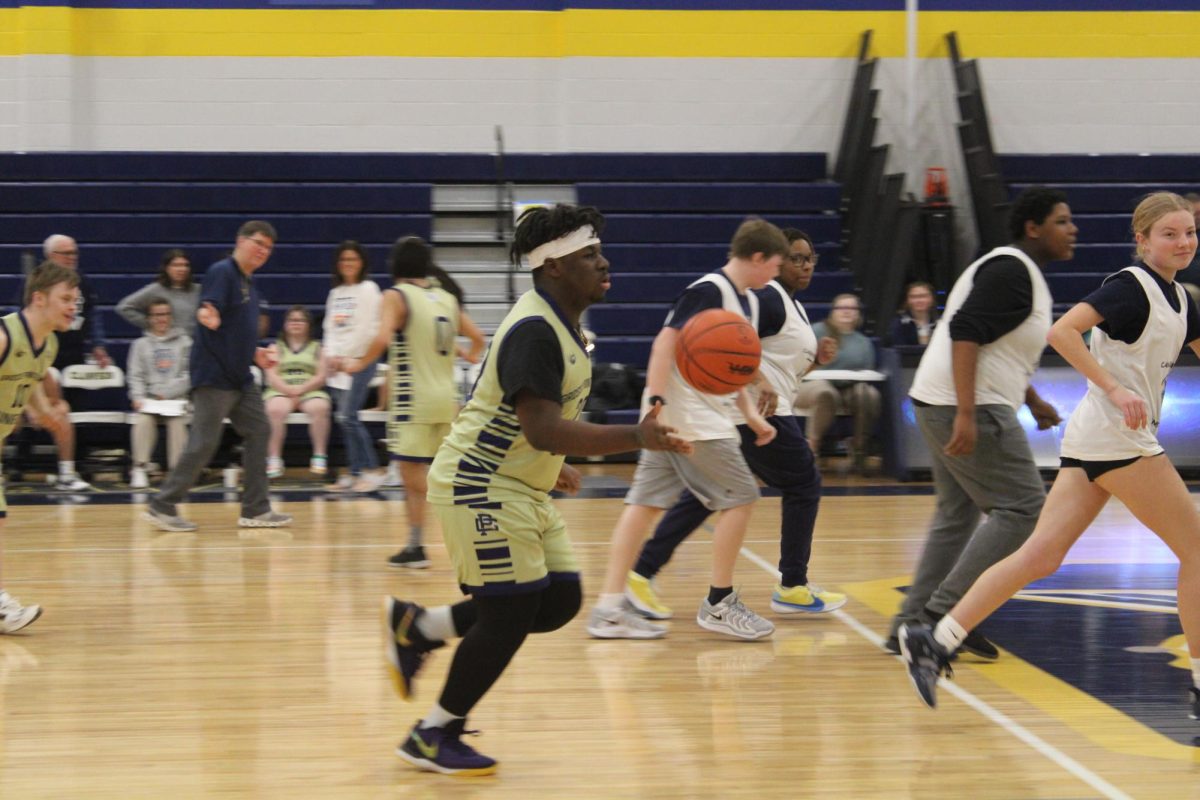
Things such as South and North’s Unified basketball teams are important, giving students who won’t have the opportunity to play at what we consider the normal or varsity level a chance to grow, have fun and prove capability. Andrea Pietrowsky, GPPAC’s communications chair, believes in ensuring that special education students are not seen as afterthoughts.
“It’s nice that there’s some sort of representation for the students who aren’t out there on the varsity team, aren’t going out to [the] University of Michigan on a scholarship,” Pietrowsky said.
GPPAC wants a place where community members can join together to share common issues and come up with resources to help people who cannot find assistance in other places. With special education students often needing extra assistance, finding reliable, known resources is important.
“It’s good to know what level of opportunity exists for those students too,” Wurm said. “Because just saying, ‘Oh, they’re adaptive’ doesn’t always mean it’s going to be adaptive for everyone.”
With consistent meetings, anyone with an interest can show up and be involved easily. These meetings allow for underrepresented voices to be heard, and it gives a space for their opinions to be expressed.
“There’s no distinction of who it’s for who it’s not,” Pietrowsky said. “But if your child has some form of special education services they’re receiving, or you think that they might need them… we really want everyone involved.”

