

































Is St. Patrick’s Day about Irish culture, or just wearing green and going out with friends? As many think of St. Patrick’s Day as a holiday to visit parades and parties, its origins go back to Irish culture and religion.
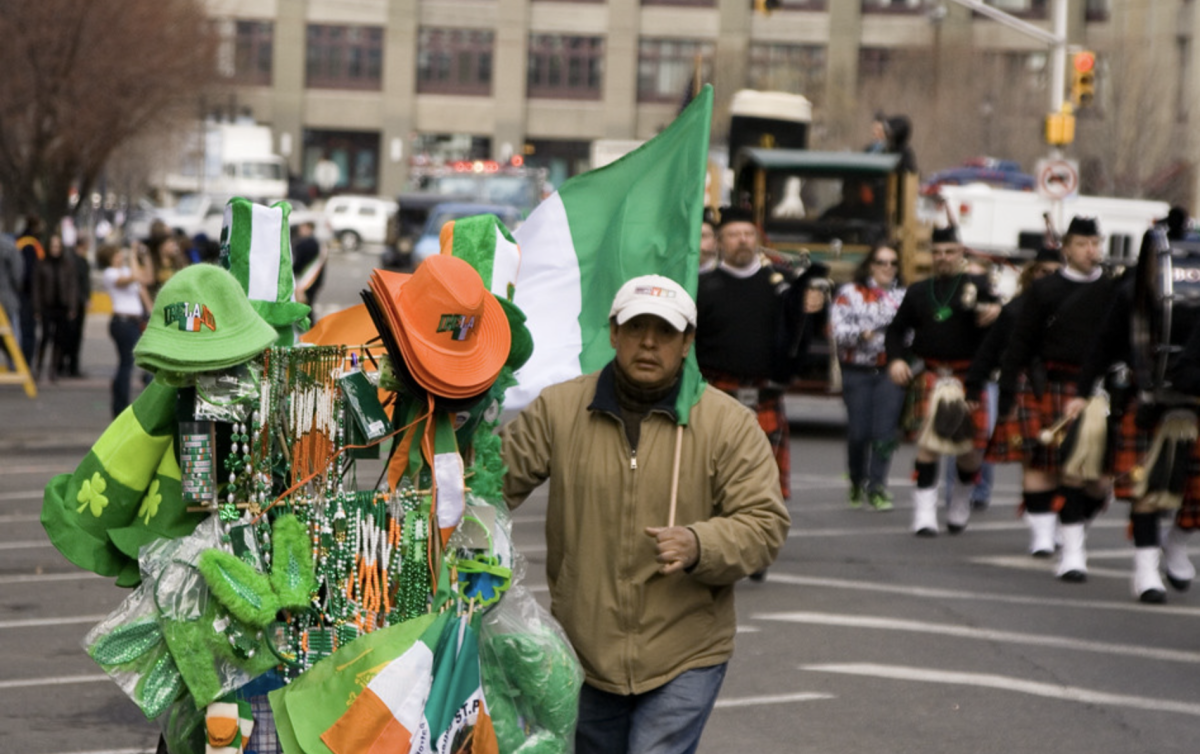
The history of St. Patrick’s Day dates back about a thousand years, the holiday was to honor Ireland’s patron saint, St. Patrick. Celebrated on March 17, on the anniversary of his death in the fifth century, Irish families would usually attend church in the morning and celebrate in the afternoon. However, Peter Palen, Head of South’s Social Studies department, explains, the way St. Patrick’s Day is celebrated today has evolved, especially in the United States, where many large parades and non-traditional celebrations are held.
“Especially in the last 20 years, St. Patrick’s Day has become almost like an unofficial national holiday,” Palen said. “Especially on college campuses.”
The celebrations taking place on college campuses have gained much popularity, especially in the last couple of decades. Many college students celebrate all day with high energy. Often, events include themed, large social gatherings. Henry Doyle ’25, a current freshman at Michigan State University, plans on celebrating for the entire week of St. Patrick’s Day, as many celebrations are held prior to the actual holiday.
“The day of [St. Patrick’s Day], no matter if it’s a weekend or weekday, is very highly celebrated throughout the campus amongst the students,” Doyle said.
Aside from the non-traditional or religious celebrations, some Irish-American families still celebrate by tracing back to their roots. Ciara Nordstrom ’28 celebrates with her family, to feel closer to her Irish heritage.
“We usually have dinner all together as a family on St Patrick’s Day,” Nordstrom said. “We have foods like shepherd’s pie and Irish stew.”
The development of St. Patrick’s day celebrations in the United States has been widespread, as it is celebrated by many as a largely secular holiday, an excuse to wear green and party. But some still celebrate the holiday traditionally, honoring their culture and heritage with their families.
St. Patrick’s day has grown far beyond its religious roots. The celebrations vary in meaning and purpose, while the holiday remains important for those who celebrate it traditionally.
“The holiday is heavily associated with the consumption of alcohol, eating corned beef, and wearing plastic green hats, ” Palen said, “but there is a lot more to the history than that.”