






























You can work as hard, have the same number of degrees, and be as well-rounded, yet you can still be seen as less than a man. Women are constantly undermined in society, specifically in the workforce. The gender wage gap is not new. It has been around for decades, along with the discrepancies surrounding it, and women in the workforce still confront it every day.
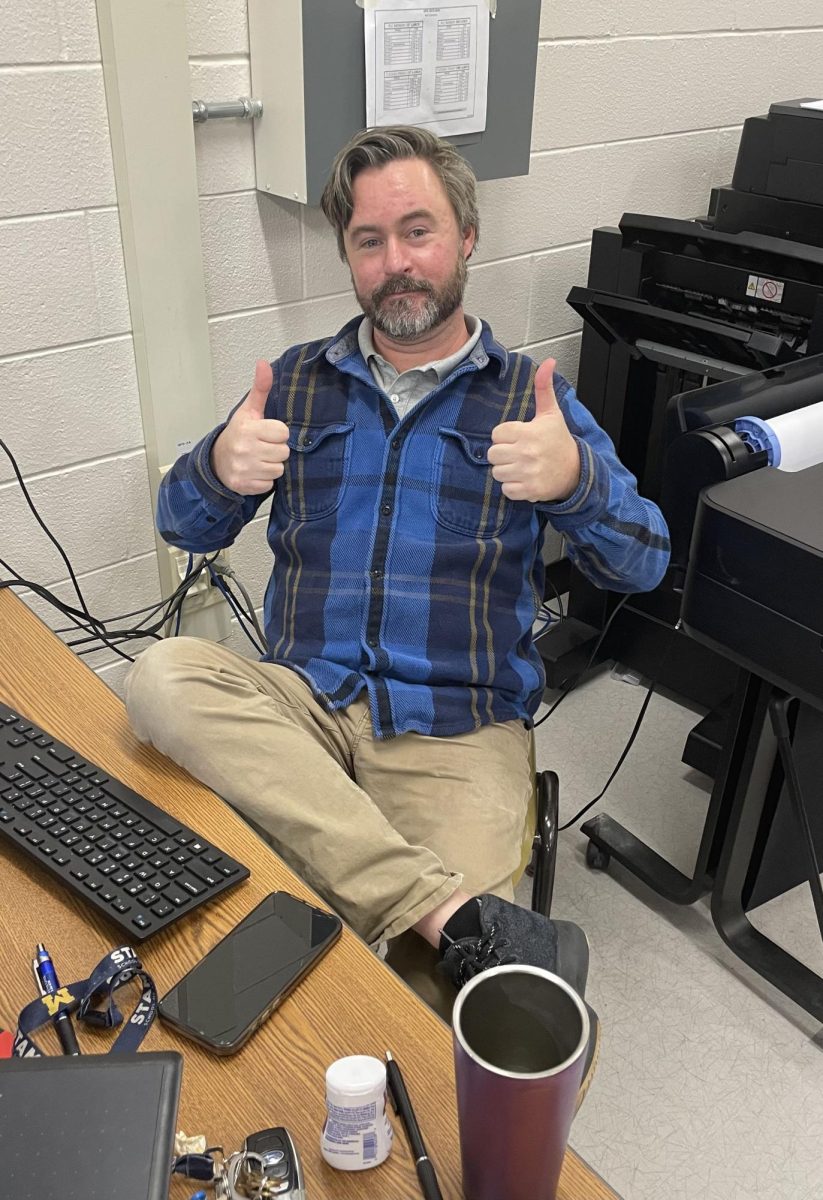
Two teachers applied for two positions at a school. One full-time, the other part-time. The male applicant secured the full-time job, while the woman got the part-time job.. Later, the principal commented that the woman ‘must be happy’ she got the part-time job to spend more time with her kids. Taken aback, wondered if this was why she didn’t get the other position. Kendra Caralis, social studies and sociology teacher, personally experienced this discrimination in the workplace.
“In society for most jobs, there’s always been a discussion,” Caralis said. “With teaching, not as much because we have our set pay scale. It’s not as arbitrary as other careers.”
While some occupations face harsh gender-based wage discrepancies, teachers at South have a pay scale in their contract based on experience and education, so it’s the exact same whether you’re a male or female.
“Each year we are moving up,” Caralis said. “It’s nice to know what you’re going to get and that it is equal for everyone.”
These guidelines are not implemented in every space, though. Many institutions still use less structured pay, which varies for each employee. Mari Jackson, Chief Marketing Manager at Global Trading Systems, has been frustrated when working in environments like these.
“I was significantly underpaid in my first, professional job out of Graduate school,” Jackson said.
“By comparison to the market and what the industry standard is for men and women who hold the same title as me, I am still underpaid. But, does that make me work any less? No. Never. It continues to push me to work harder, to achieve equality.”
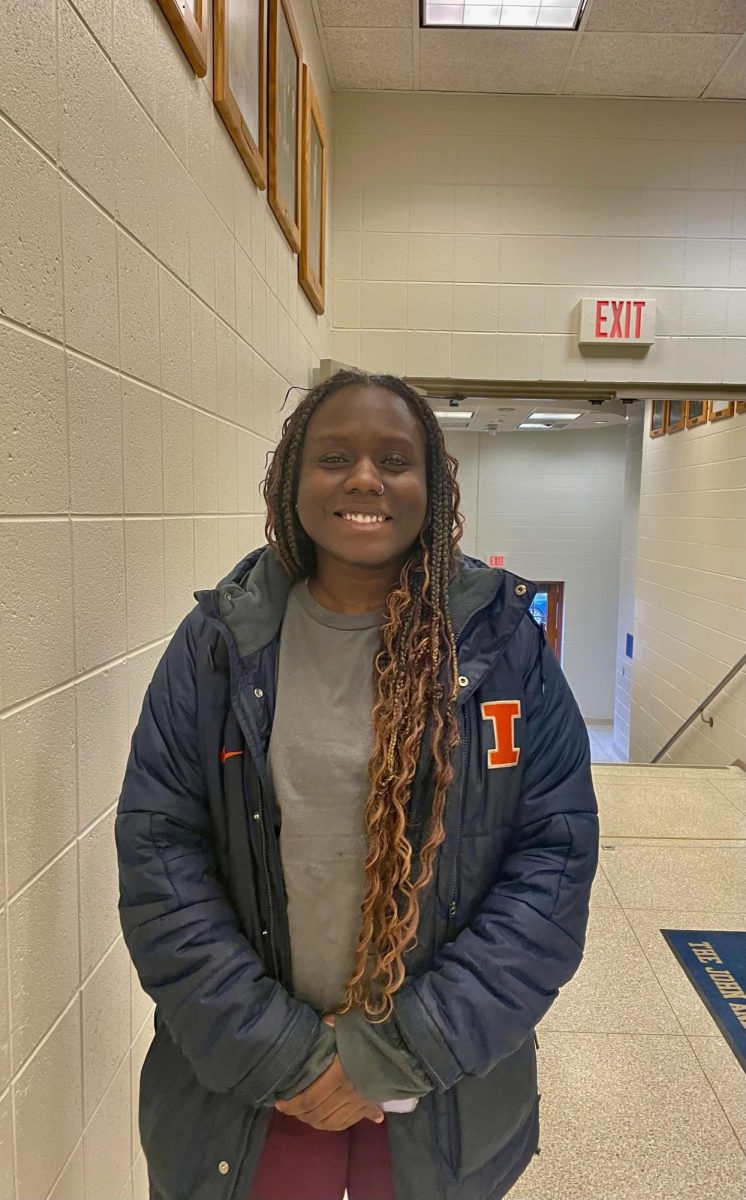
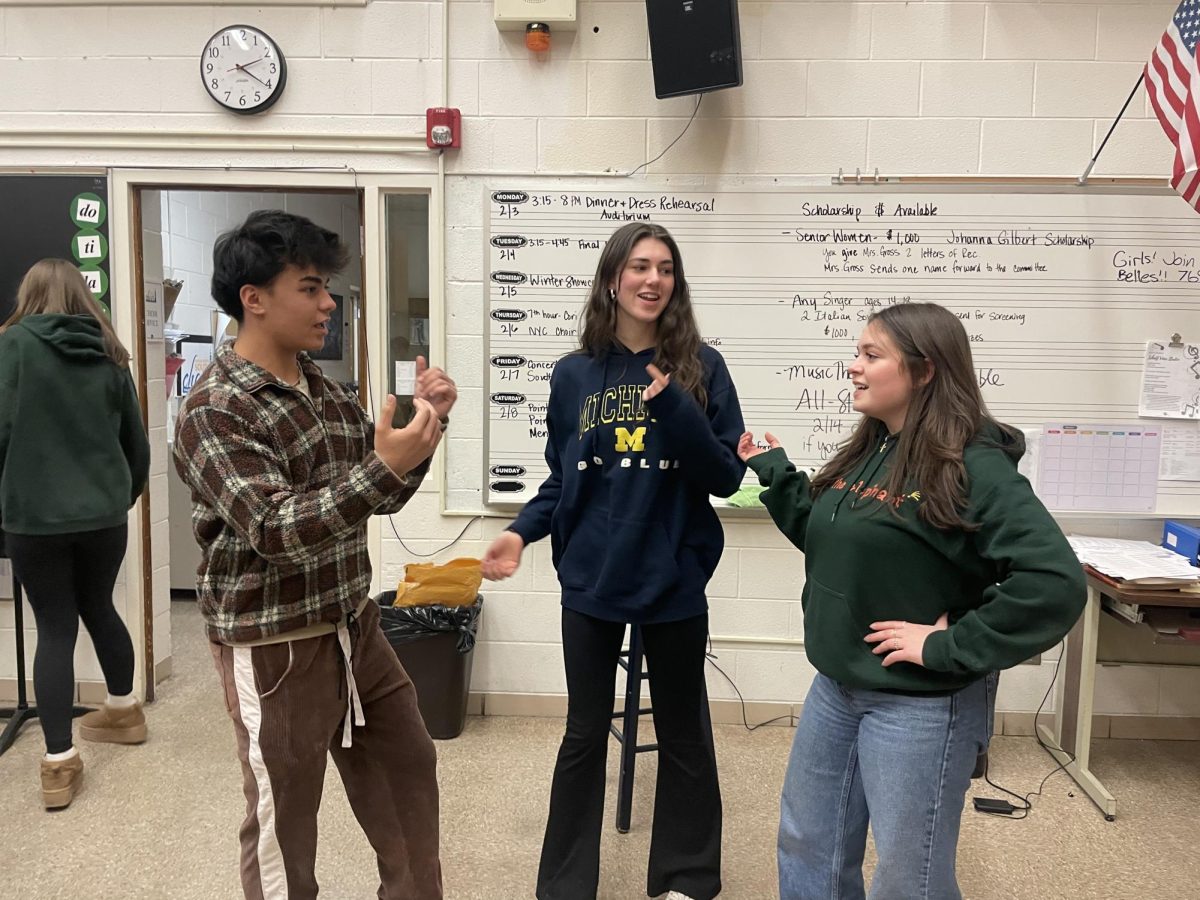
While older generations experience the pay gap, activists are now working from the bottom up. The gender wage gap can be changed by the younger generation. Phoebe Caine ’27 is the president of the National Organization for Women at South. Their focus: women’s empowerment.
“We’re really hoping to connect with those who are less privileged and don’t have access to information about negotiations and networks,” Caine said. “ We want to bridge the gaps in our community to ensure equal opportunity for all students, whether that be preparing them for job interviews or giving them necessities they may not have access to.”
Advocacy to close the wage gap will benefit the present and future of female workers. A rise in the number of working and educated women can help this movement. Caine sees skills that can help carry women through life and the fight for equality.
“The skill of negotiation can be so empowering because it’s really just not rude to know your own worth,” Caine said. “And then I think the growing number of women in higher education, like it marks this moment of progress for the realization of equitable compensation between men and women.”