




























The check is set down in front of the customer, waiting for them to sign. Most waiters don’t expect just a signature, though, but rather an extra few dollars. In the U.S., tipping is very common, if not expected, to the point that there are tip lines on receipts and a checkbox on digital tap screens. Many may see it as rude or arrogant not to give a tip, as it has become standard. Views on tipping culture vary vastly, as perspectives range from customers to the servers themselves. Both affect each other directly, highlighting the importance of seeing all opinions on matters of money.
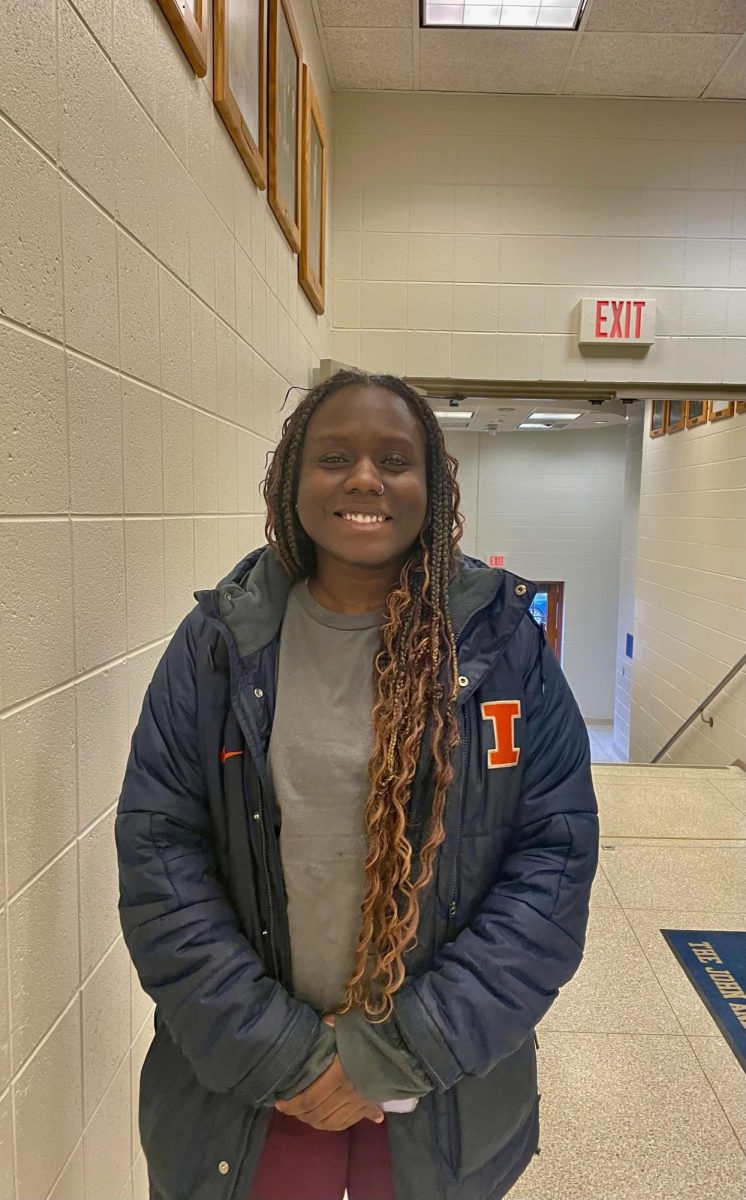
Servers are the ones providing the customers with the experience. Creating conversation, taking orders and meeting the needs of the patron. The service given should be positive, timely and helpful. If not, Willow Ennest ’27, a SidecarSlider Bar server, believes that a large tip shouldn’t always be expected/given.
“I understand that sometimes the kitchen can be slow or we will even be understaffed,” Ennest said. “So the service might not be exactly what we intended, which can result in a lower tip since customers might not always be content with their experience.”
According to the State of Michigan, Michigan’s minimum wage is $13.73 an hour, but servers generally make around $5, so they often rely on tips to make more. Biance Sibaja ’27, a server and hostess at Brick’s Pizzaria, hopes that customers can understand their situation, resulting in tipping on their meals.
“As a server, I believe I hold a higher expectation to be tipped,” Sibaja said. “If I am providing them with good customer service and tending to their needs, I should be tipped, especially with their knowledge of my salary.”
On the other hand, the customer’s perspective is also important. When many go out, especially to spend money, they expect to get what they pay for. A frequent customer at local diners, Aidan Wass ’26, tends to tip when waited on, given true service.
“I only tip if they come up to the table and wait on me,” Wass said. “Quick service options, I won’t always tip on just because they aren’t really providing an extra experience for me.”
With so many variations in tipping culture, there could be an alternative. As stated by Grand European Travel, in Europe, gratuity is usually built into the final bill, with waiters being paid more. It creates a smoother process and fair conditions for workers.
“Honeslty it can be easy if the tip is built in,” Wass said. “It is usually about 16-18 percent, so a little less than the 20 percent I will give, so it gives room for if a customer wants to add more or leave it the same. This could be frustrating for some, though, who didn’t enjoy their service, not wanting to pay extra.”
The consensus seems to be that if the service provided is strong, the customer will tip. Though a server can be disappointed if not.
“I just try to be the best server I can,” Ennest said. “I try to anticipate what they may need, like a ranch or extra napkins. Being ahead shows that I am attentive to them and their needs. From there, they appreciate my help and tend to give me higher tips.”