
























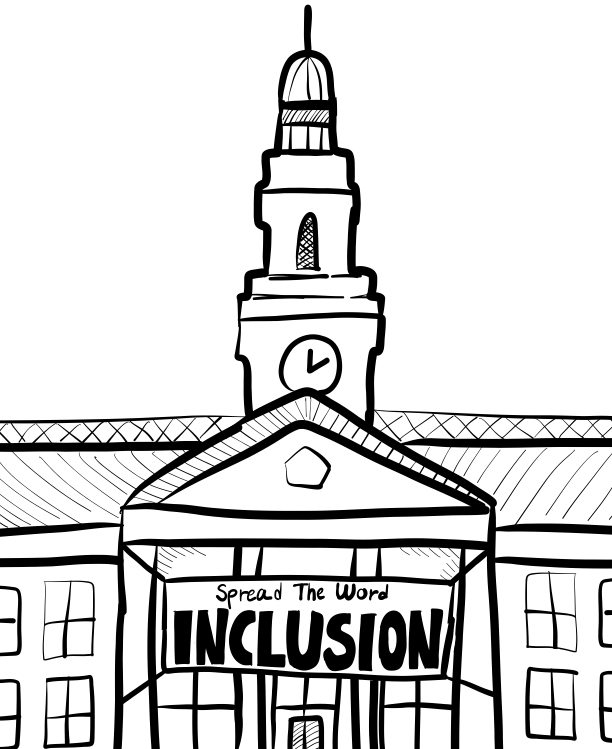
Since the start of the 21st century, the world has become increasingly accepting of different races and sexualities. Here at South, the inclusivity of students is a primary focus of counselors and teachers. Teachers include questions to ask students at the beginning of the year in order to get to know them and allow the process to become easier by knowing their identities.
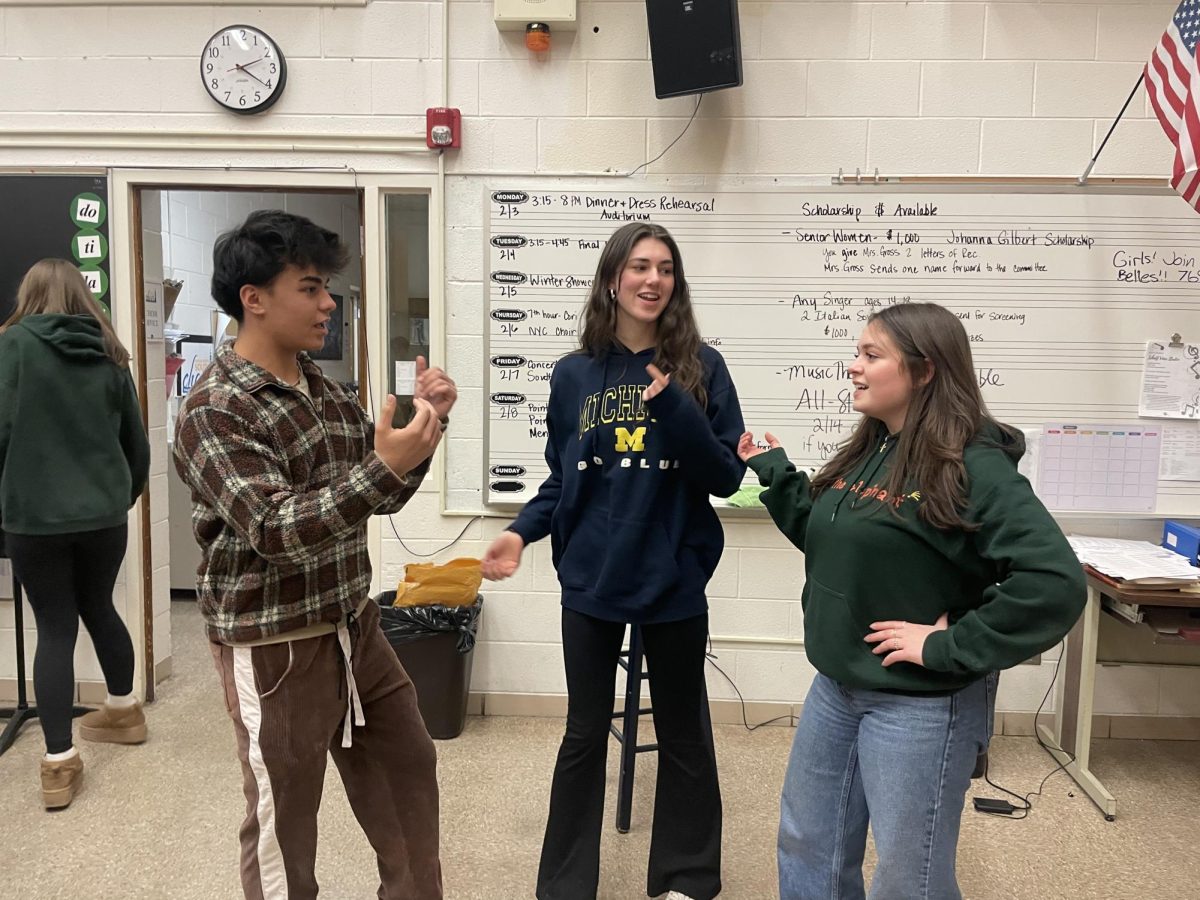
South attempts to achieve this goal by creating inclusive spaces, allowing students to connect with other peers experiencing the same challenges. Counselors at South communicate with the students and parents to help navigate the identity of a student. Counselor Beth Walsh-Sahutske highlights the clubs that South offers, like Prism Club, an LGBTQ+ space where students meet and share their experiences with each other, and the Black Student Union, demonstrating South’s success in allowing minority voices to be heard.
“I am really proud of the inclusivity at this school,” Beth Walsh-Sahutske said. “We have been very forward and intentional in trying to make sure there is a place for kids that may not be seen as mainstream.”
The LGBTQ+ community, a topic often considered taboo across the United States, is heavily debated, but South attempts to challenge preconceived stereotypes about people of the community. Not only are counselors taking part in ending the hate, but teachers also make it known that everyone is welcome, no matter their sexual orientation. The teachers do so by putting things like equal signs on their doors, allowing their classroom to be a more open space. Student Joseph Guthat ’26 claims his experience being one of the very few openly gay people at South was nothing but peaceful.
“My experience being gay is very normal, it doesn’t play a big part in my everyday life at school,” Guthat said. “I feel safe and supported at South because the staff normalizes it.”
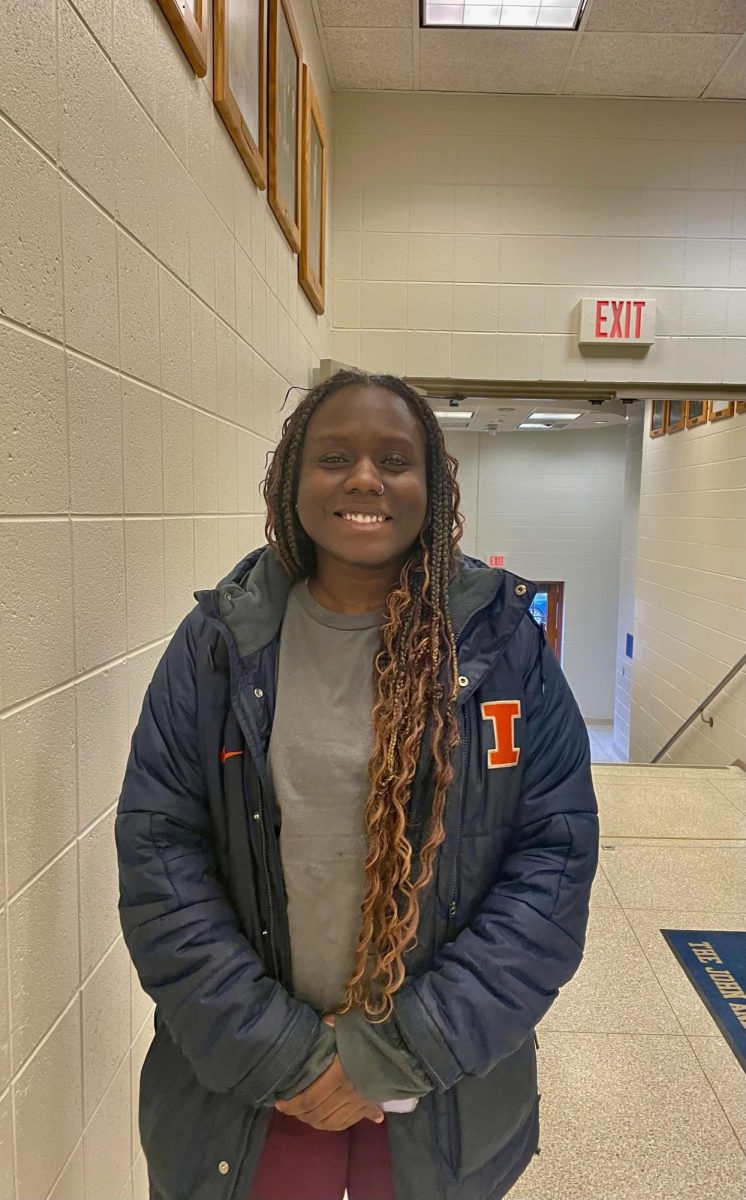
Besides the LGBTQ+ community, there are minority groups at South. Student Angela Allen ’26 notes that while her experience at South was positive, the underrepresentation of black people can be challenging in a predominantly white school.
“Most of the programs that I am in, I am usually the only black person, but it doesn’t bother me,” Allen ’26 said. “I think that I am a role model for other black students, encouraging them to put themselves out there.”
Overall, at South the understanding of minority students continues to improve over time. With the help of South’s opportunities, students have a place where they belong. It is no longer how to feel accepted, but rather how to not feel accepted.
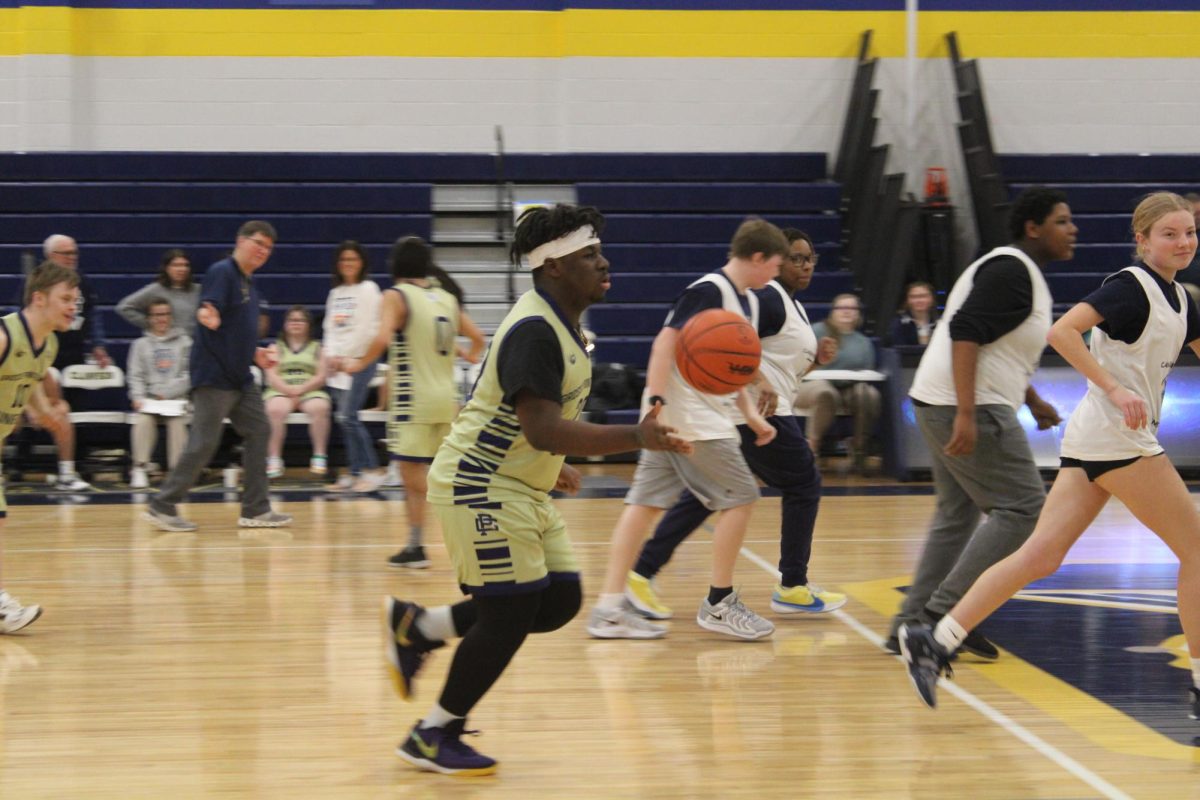
“There is a niche that has developed for all different types of people, and that’s a goal of having student activities that casts a wide social net,” Beth Walsh-Sahutske said. “So that people can find where they have that sense of belonging.”