
































Although when you get that paycheck, it’s hard to hold off on spending that money on things you want, saving for your future and the things you need is the smart decision. Starting a savings account early, portioning your paycheck into different categories, investing, and starting new accounts are a few things South students have already started incorporating into their bi-weekly routines.
High school students are rethinking how they handle their money, turning to savings accounts monthly, and spending only when necessary. Co-op is a great tool to get more work hours and more hours back in the day.
Jonathan Strong, a father in the community and a managing director at KPMG, helped his daughters learn about saving at the age of 12 and first started helping them save for college. When they turned 16, they each opened bank accounts. Each of them has a 529 plan, a savings plan to use when they are ready to go to school. Strong explains that the most important thing he and his three daughters discussed is the importance of not having to borrow money.
“None of my daughters has taken out a loan for anything,” Strong said. “They all use debit cards for everything, they own their own cars and don’t buy anything that they can’t pay for in cash.”
All of Strong’s kids have each opened a Roth IRA (restricted retirement fund) so that they could put some of the money from working into that account, and that’s money that they won’t touch until they are ready to retire. Strong shares the most important things he taught his daughters to do to save money effectively.
“Don’t buy anything that you can’t pay for right now,” Strong said. “Try to avoid the cards and the traps that they set for you, for people to pay for something first and then get it later. Just save up your money and pay for it when you can afford it.”
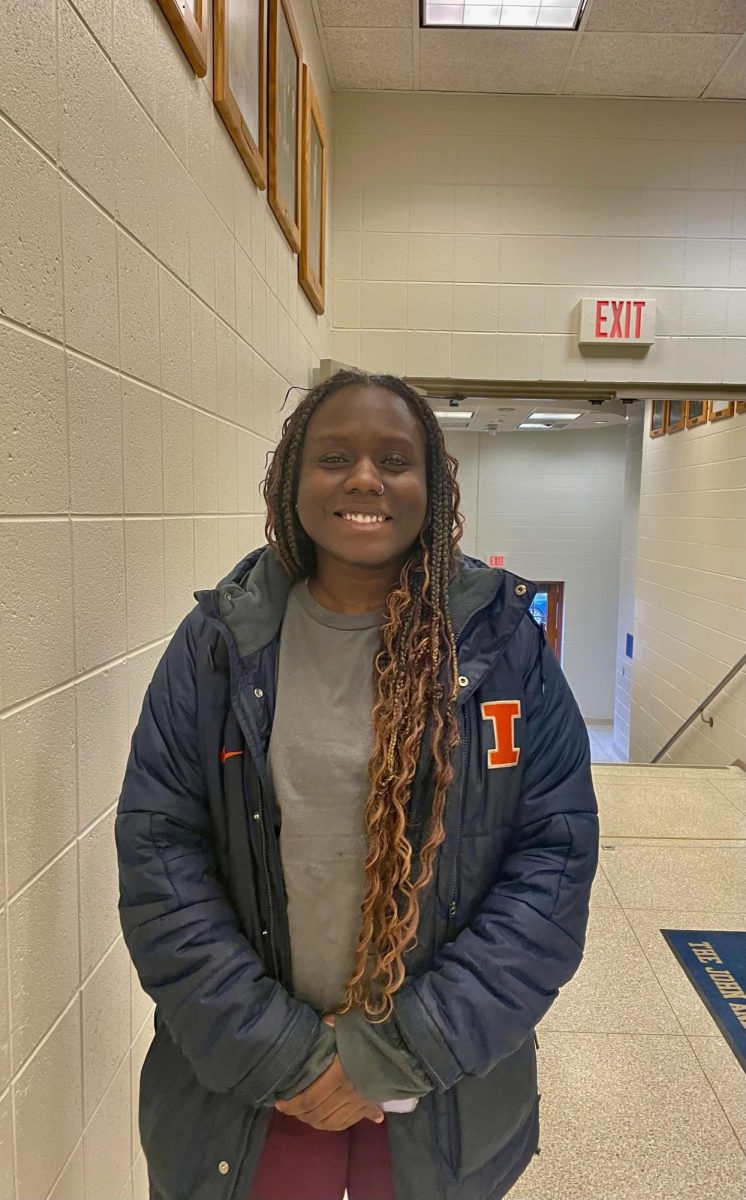
Betsy Ropke ’26 works about 24 hours a week, with 10 hours at Village Palm and 15 hours babysitting. Ropke shares that when she gets a paycheck.
“When I get a paycheck, I typically put 60 percent into savings and 40 percent into my spending,” Ropke said. “Putting your money into different accounts, one under ‘money to spend’ and one under ‘savings, ‘ makes it easier to manage spending.”
Having an app to track all spending can be very useful when trying to be mindful while spending. Ropke shares her favorite tool for tracking her spending and budgeting.
“My Chase Bank app helps me the most,” Ropke said. “I track my spending and see where my money is going.”
Investing time in a hobby can be very beneficial for your cognitive function and time to recharge, especially if you’re getting paid. Margaret Blake ’26 works five to eight hours a week at a job that she is “very passionate about,” balancing work with her academics and athletics, and manages her time wisely.
“I started working because I wanted to have something to do when I’m not busy,” Blake said. “It’s probably the best decision I have ever made because I have learned a lot about saving and spending through the process of using my own money on purchases.”
Blake started her savings account in her freshman year and avoids unnecessary spending by putting a lot of thought and time into it before making big purchases.
“I have a rule that if I really want something expensive, I have to wait at least a week before buying it,” Blake said. “This has helped me ensure that what I’m buying isn’t because of impulse.”
Blake also saves money by restricting her access to her savings account by utilizing the PNC Bank Account app for tracking her spending and savings.
“There’s a specific amount of money that I try to put in my savings monthly,” Blake said. “The money in my savings account is money that I won’t touch until I’m older.”