






















From what they see when they open their phones to what they discuss with friends during lunch, students at South are constantly forming, testing and reshaping their beliefs. For many, high school is not just a place for learning, but a place for discovering their position in the world and their stance on the issues that shape it.
While the beliefs of students are constantly evolving, Keenan Loucks ’28 said they are first developed at a young age by parental influence and for many young people, the foundations of their beliefs come from home.
“Under the age of three, your parents are infallible; you believe everything they tell you,” Loucks said. “So if they tell you that a certain idea is good or bad, then you are going to believe that.”
This concept is supported by a Pew Research analysis, which states that over 80 percent of American teens share the same political and religious beliefs as their parents. Louise Davey, who works with students in her role as the Young Life area director, has given considerable thought to how her personal beliefs and faith will impact her son’s.
“I will ask my kid to come to church with me to a certain point in their lives,” Davey said. “Then it will be a choice, if they want to explore a different denomination of church or anything like that; they can.”
However, Davey recognizes that the impact of parents like herself only plays one part in the complex group of people and ideas that significantly affect the development and reinforcement of what students believe.
“It is the environment that you are in, so your home life, your parents, your community and the people around you generally,” Davey said. “What they believe ends up being also what you believe, what you talk about.”
For Maria Dimuzio ’29, the aspect of the community has been especially fundamental. She credits the role that growing up in the Grosse Pointe community has had in strengthening her beliefs.
“Growing up in a place where I could get a good education has let me develop beliefs I could feel confident in,” Dimuzio said.
While all of these factors and more combine to influence what students believe, South’s school psychologist, Lisa Khoury, suggests that as students reach high school, they also reach an age where they become independent thinkers, guiding their own decisions about what they believe, rather than relying solely on the people around them for influence.
“Sometimes [students] like to forge their own path and make their own decisions on things,” Khoury said. “Maybe make different choices or have different opinions than what their family has.”
However, as students learn more about the ideas and beliefs surrounding them, Khoury believes they face rising issues. With the increase in misinformation and ‘fake news’ that accompanies the growth of the internet, Khoury believes that students should take greater consideration before implementing new ideas into their beliefs and values. To help with this, she encourages students to fact-check by comparing information from multiple reputable sources, empowering them to make more informed choices about what to believe.
“It is important for everybody to take several steps back and not believe everything you see or hear on any platform,” Khoury said. “It does not matter where.”
Within the past decade, the traditional news landscape has undergone significant changes, affecting how students can source information and news. According to the American Press Institute, one of the biggest new sources for students is social media, reporting that 74 percent get daily news from social media platforms like TikTok and Instagram. However, Dimuzio believes that the implementation of these platforms in the retrieval of information has blurred the line between truth and fiction.
“I see a lot of things where I do not know who to believe on the internet,” Dimuzio said. “[I see] things that could change my ideas, but things that could not be true.”
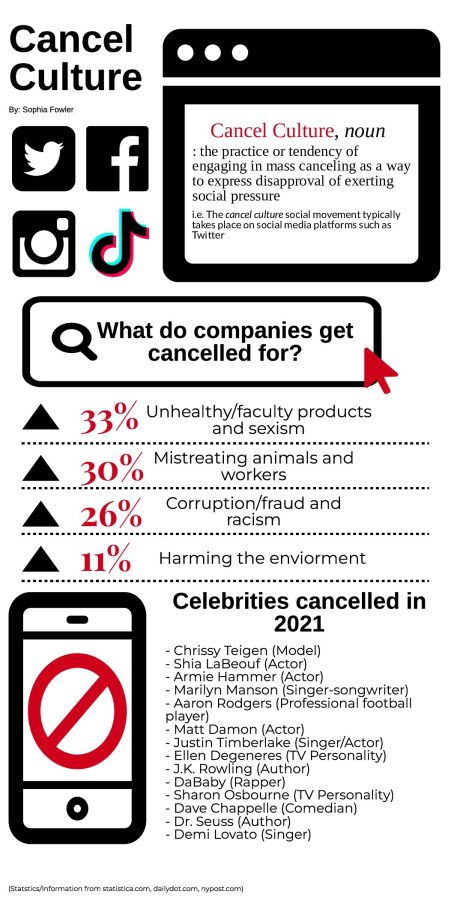
In 2024, the World Economic Forum listed misinformation and disinformation in its global risk report, specifically mentioning its part in widening the societal and political divides among people. In turn, social media is often criticized for its role in spreading misinformation and strengthening this divide. Rather than providing balanced beliefs and viewpoints on platforms, social media algorithms curate content that aligns with a user’s interests. For students exploring new beliefs, Loucks sees this as pushing them towards an extreme stance.
“Social media is really good at isolating a person from people they disagree with,” Loucks said. “If you are in a constant echo chamber of people you agree with, you are going to become radicalized.”
To combat the extremism that social media and online communities have been credited with causing. Loucks has processes for himself when he steps online.
“I do not only go on websites that are made by people I agree with,” Loucks said. “One of the things about social media is you can just swipe up and then you are in the next video, which is what a lot of people do if someone says something they do not agree with.”
While high school is often a place for students to develop their beliefs, it is also a place where these beliefs conflict. In a place with hundreds of students coming from different backgrounds and experiences, students are often left to work out differences. For Chloe Spain ’27, her beliefs define the relationships she has with the students at South.
“I feel you seem to surround yourself with a group of people who have
similar beliefs to you; otherwise, you are not really going to get along,” Spain said. “You should be able to get past differences, but you might not be best friends with them.”
As beliefs among the world and students continue to grow and, in some cases, grow further apart, Khoury hopes that students can remain open to hearing the beliefs of others.
“With multiple ideas on things, that is how we get to a better place,” Khoury said. “As long as everybody’s open and willing to hear everybody’s opinion and then work towards a solution, or a melding of those ideas versus pushing apart.”
Overall, having this increasingly diverse environment, reaching an age of independence and easy access to additional sources of information, combined form what Davey believes is an environment perfect for students to decide what they believe in.
“I think high school is a unique time when you start to take different resources into consideration and you decide what you believe,” Davey said. “No matter what it is, whether it is faith or it is what you believe about yourself or about the world.”