




























The term ADHD is thrown around the halls of school without context, reason or true intention behind it. Attention Deficit/Hyperactivity Disorder is the full term, revealing the truth of this behavioral disorder. Students will refer to the term ADHD to show that they aren’t focused or are procrastinating, when really, it is much more than that.
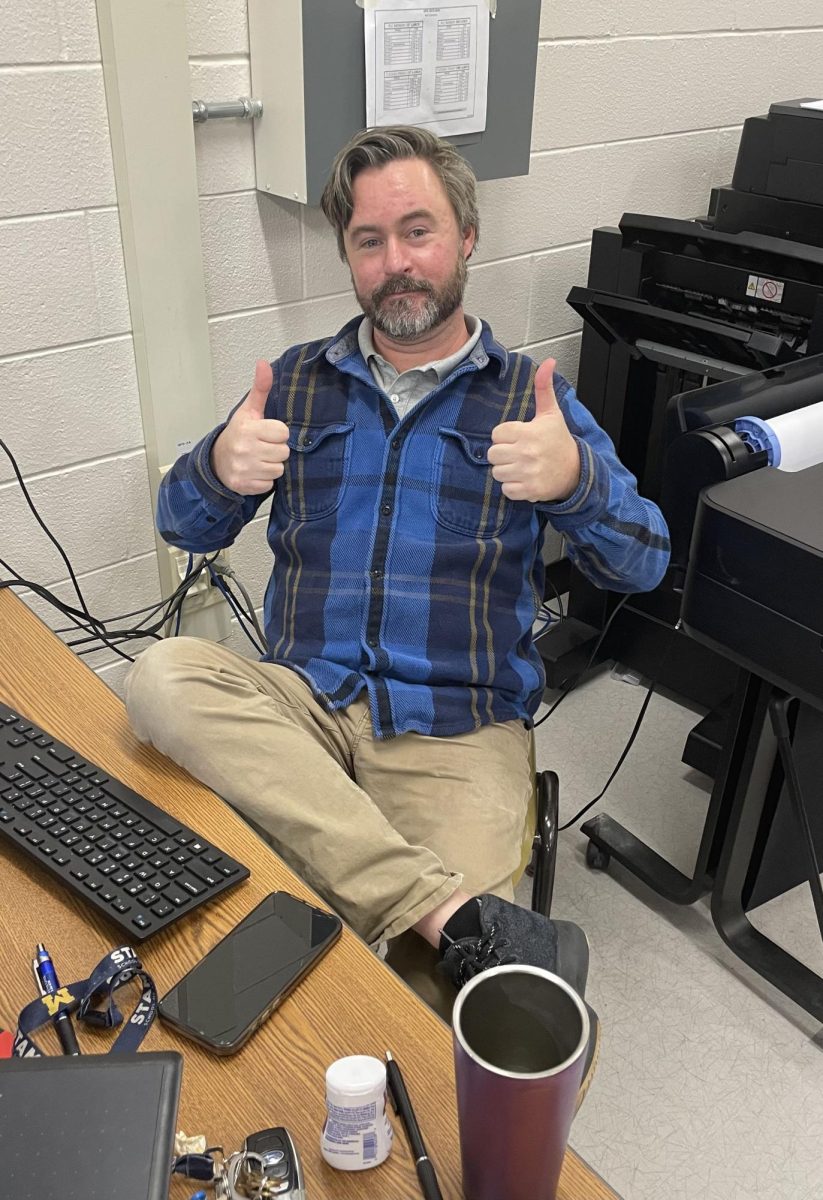
With how much ADHD has come into focus these past couple of years due to the rise in online learning, data in 2022 from the CDC show that 7 million U.S. children from ages 3-17 have been diagnosed with ADHD. Although, where ADHD most crucially affects are the minds of high school students. Students with ADHD often have specific struggles in school and are tailored to the level of attention they may need. Grosse Pointe South’s social worker, Alexa Peake, notices the different degrees of assistance a student may require to be successful.
“The first line to really help students is to learn some of those strategies and just discuss what’s working and what’s not, and of course, we want to talk with parents to ensure they have their concerns to help their student to do well,” Peake said. “Then there’s the possibility of doing a 504 plan, which would be providing some accommodations to that student that would then help them a little further, and then if the 504 plan does not work, there’s something called an IEP, which is really for students who need specialized instruction.”
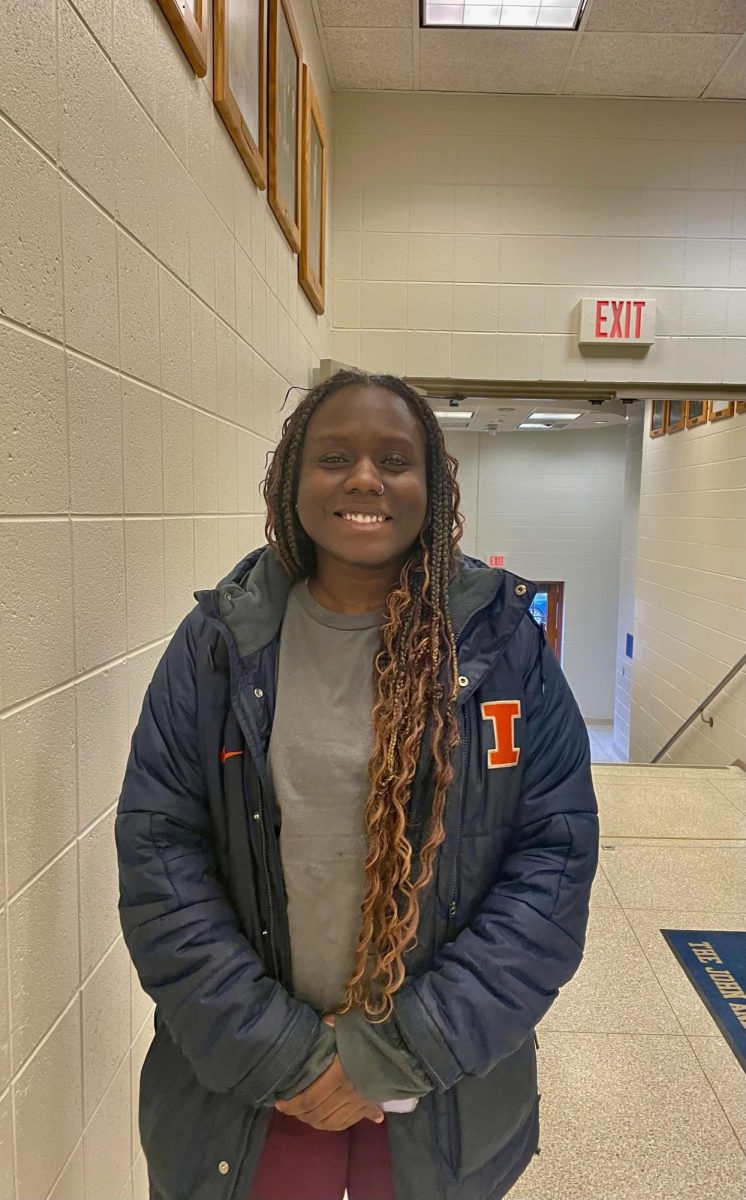
With a variety of accommodations South offers, each is a tool that is specific to the student to help them succeed. Paige Koenig ’27 has utilized the 504 plan during her past years at South and has found exponential growth with her academics.
“With my 504 plan, I overall just noticed I didn’t feel so worried about my ADHD getting in the way of school,” Koenig said. “I know it ranges with all students, but I find that in my experience, the 504 plan is the most useful.”
The journey with ADHD varies by student and may begin and continue with different challenges. Some students are diagnosed as early as elementary school, though many can go throughout their entire years of education without being diagnosed. Gillian Byarski ’26 was diagnosed sophomore year, much later than the median age of 6 years old reported by the CDC.
“I was diagnosed later than usual, which did change my experience of it in high school,” Byarski said. “Being diagnosed with ADHD opened me up to how it affects a plethora of different things, not just school.”
ADHD can be a tough experience for many and can definitely take a toll on one’s motivation and confidence. For students, resources such as parents, doctors, therapists and counselors are all important tools to utilize whenever you need guidance. Not only can you communicate about your specific experiences, but you can also expand your knowledge on what systems and tools work best for you.
“Parents can help by encouraging their children and by just encouraging them to keep going,” Peake said. “So they might fail, they might struggle, but that is a huge part of building resilience, learning and maturing.”