




























Zach Bryan’s recent tease of “Bad News” left many people, both fans and not, with confusion on where he stands politically. In the snippet of the song he discusses his opinions on the damage of ICE (Immigration and Customs Enforcement) officers and the downfall of the United States. The song opposes the views that many fans believed Bryan had before the release of the song.
Bryan isn’t the only influential figure who has recently stepped into the political scene. In July, American Eagle released an ad that was claimed to be “eugenics” by many viewers. The ad used a play on words between jeans and genes; its slogan being: “Sydney Sweeney has great jeans.” Later on records were released showing that she is a registered Republican, which, along with the ad, lost her credibility among some fans. Many students like Ben Copus ’28 believe that people, no matter how famous, are entitled to their own opinions.
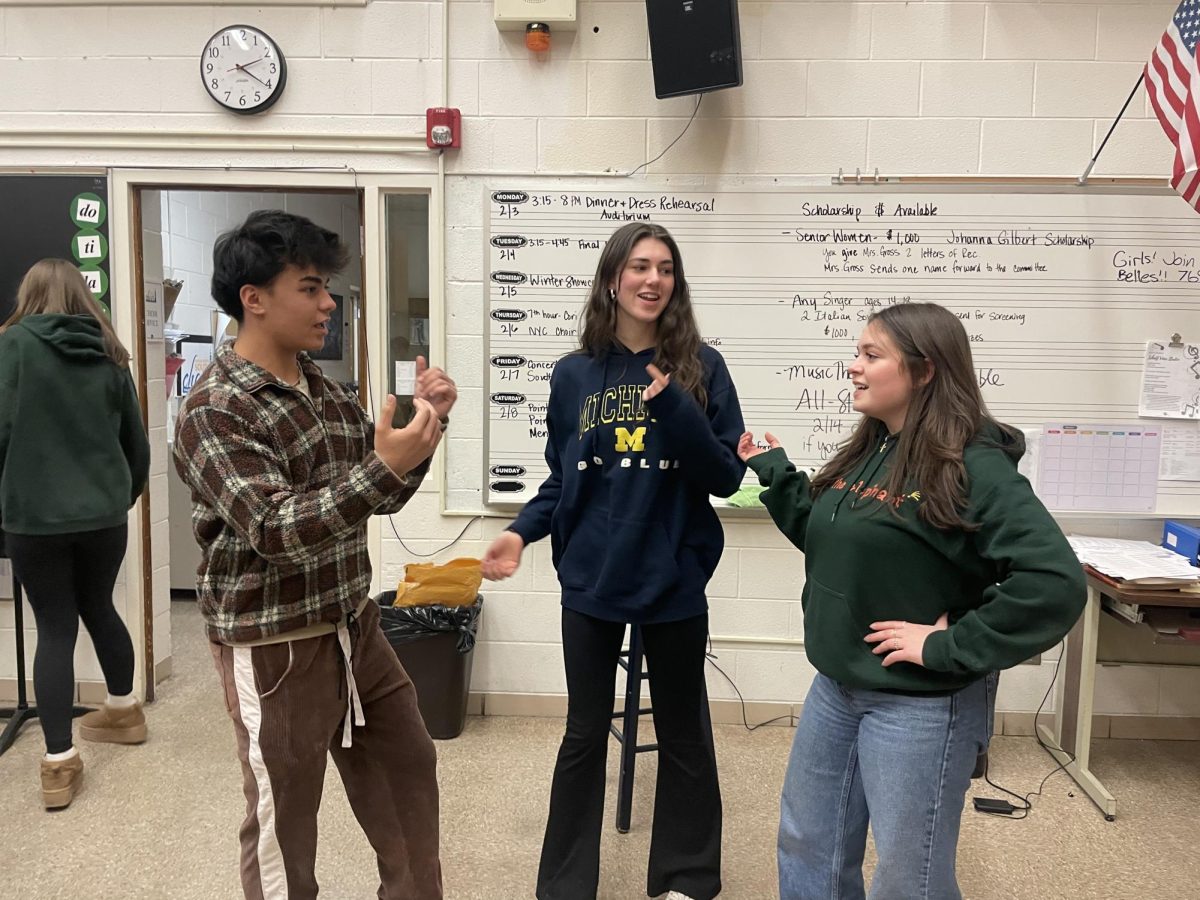
“An artist themself is an individual person with their own individual beliefs,” Copus said. “Their fan base is not going to see eye to eye with everything they do. I don’t think anyone truly ever sees eye to eye with someone all the time.”
Despite the idea of freedom to express one’s opinions, Copus also said that this doesn’t prevent them from getting backlash. He thinks that often voicing opinions can result in these individuals losing a portion of their fans.
“Sometimes [voicing their opinions] can make fans stray away from listening to certain music or watching a certain show,” Copus said.
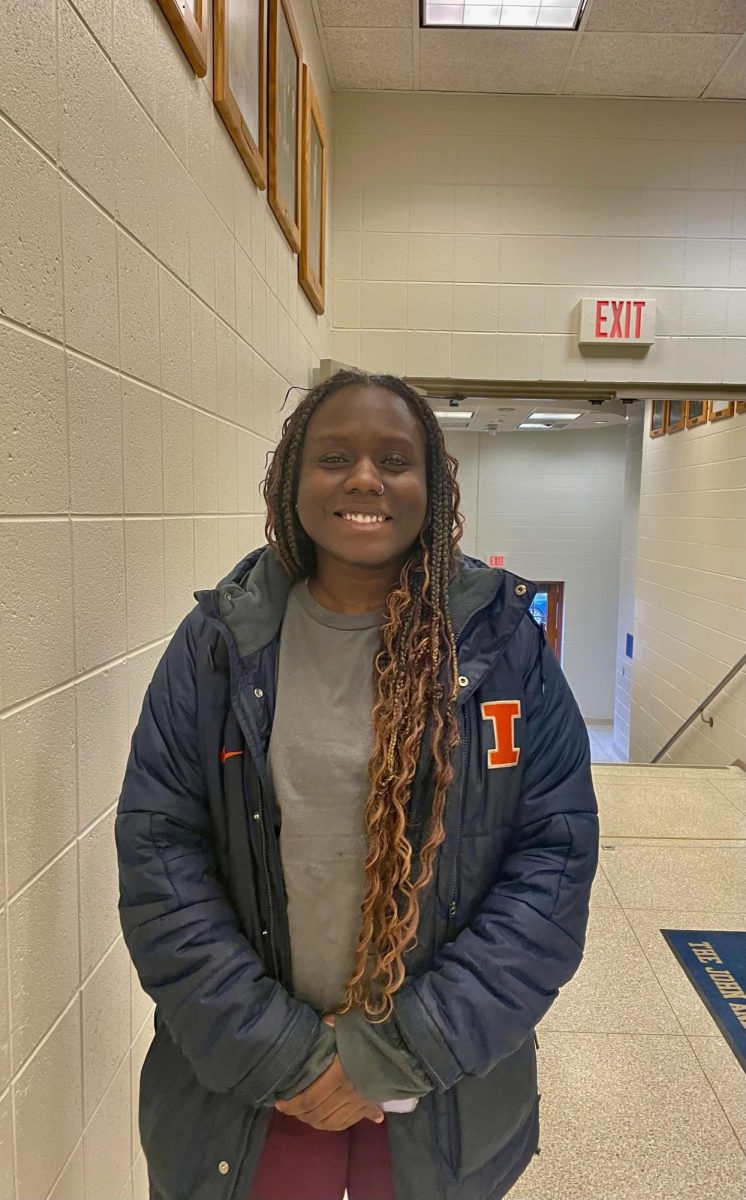
Despite the effects of an artist weighing in on world issues, Emilia Koper ’26 said she believes that if someone has the ability to have a positive impact then they have an obligation to.
“If an artist has managed to amass a large enough following and a large enough platform to where they are able to do good, I think that they should,” Koper said. “Whether that’s promoting certain charities or organizations that they know will help.”
Koper also noted that beyond influence, the connection between an artist and their work makes political and social expression in art almost unavoidable.
“You cannot separate the person from the art, because the person created the art,” Koper said. “The person is going to be reflected through the things they create.”
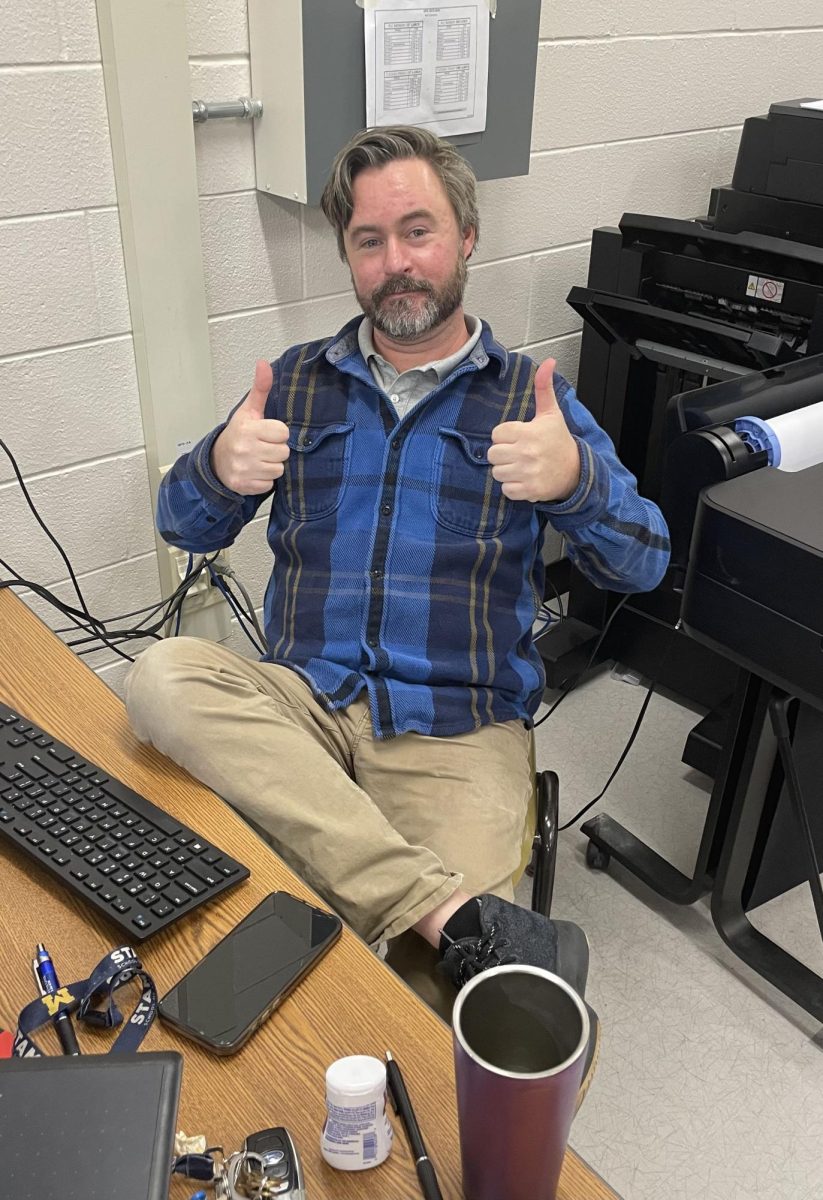
Although English teacher Ericka Henk acknowledged that artists should not feel obligated to speak out, she said that art and activism are often deeply intertwined.
“I think that activism is a part of art and it’s where many people draw inspiration when they have no other outlet, or if they just simply enjoy art in itself,” Henk said.
She added that throughout history, artists have used their platforms to push for awareness and change, something that continues to resonate today.
“I don’t know where we’d be if Frederick Douglass and Charlotte Perkins Gilman hadn’t boldly shared about social and political issues that affected so many – physically, mentally and emotionally,” Henk said “We truly learn from them and others.”