
































For many young people, the idea of attending a college or university is a thrilling dream filled with opportunity and promise. The chance to explore personal interests, break free from parents, make new friends and experience early adulthood for the first time is extremely exciting. However, this dream often collides with financial realities, particularly for teens in high school from a middle-class family, who struggle to afford a quality education. As college tuition continues to rise, it has become increasingly challenging for many families—over half of America’s households—to provide for the opportunities their children deserve. Despite these challenges, there are numerous pathways available for students to seek their academic goals without breaking the bank.
A counselor’s role is to support and guide students as they navigate through high school, ensuring they can do so with confidence and minimal stress. One recurring challenge for counselors is providing different pathways for middle-class families, particularly for those who may face financial walls to attending college. By providing access to community college informationand financial aid resources, counselors can effectively help their students explore different educational options, allowing them to thrive during their senior year and after graduation.
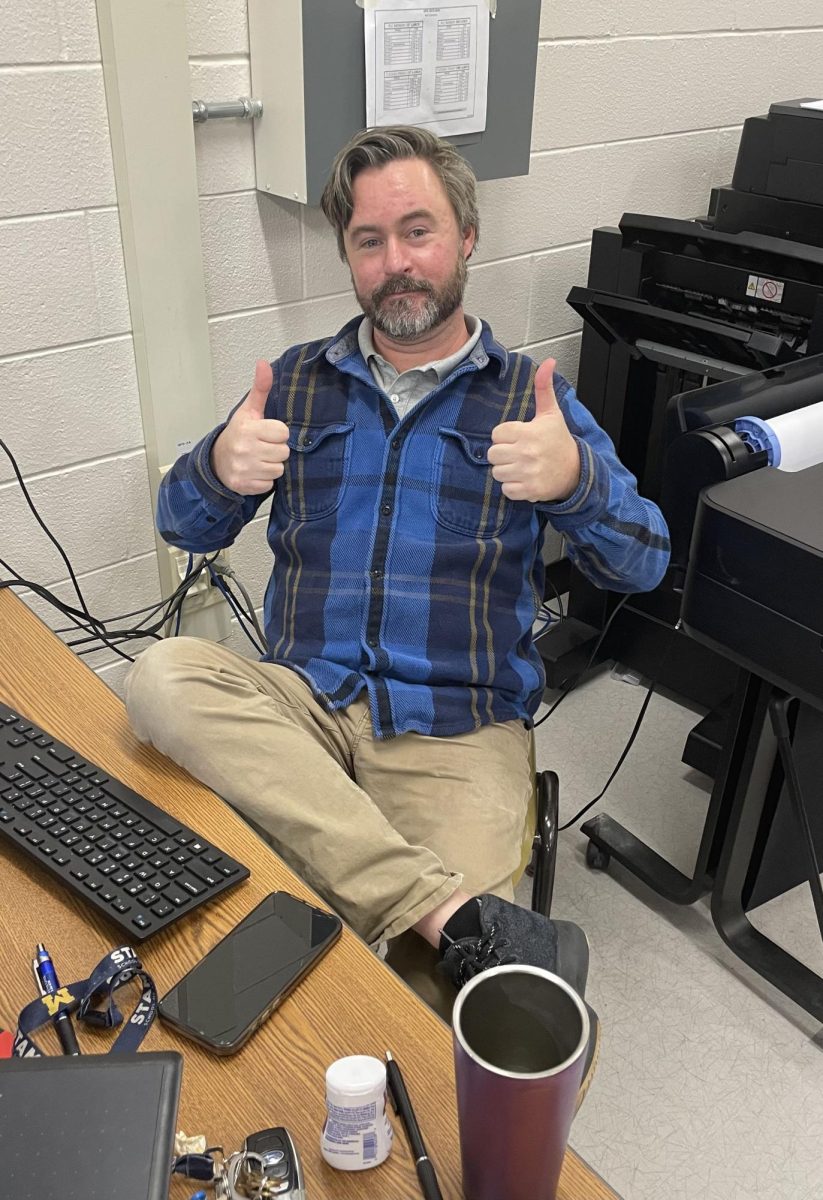
At South, counselor Beth Walsh-Sahutske is recognized for her guidance and support, especially when advising middle-class families facing challenges related to college; she is an expert in this area.
“There’s always families that are struggling, the struggle isn’t new, and education has always been an investment,” Walsh-Sahutske said. “Our mission is always to try to share other ways that students can make college affordable, like Reserve Officers’ Training Corps (ROTC), scholarships, and less competitive schools.”
Every senior wants the opportunity to go to a good college like the rest of their peers; however, when you find yourself as the only one in your friend group opting for an in-state college or choosing a community college, it can be a huge source of discouragement or even embarrassment. But it’s essential to remember that, ultimately, what matters is your journey and the degree you earn.
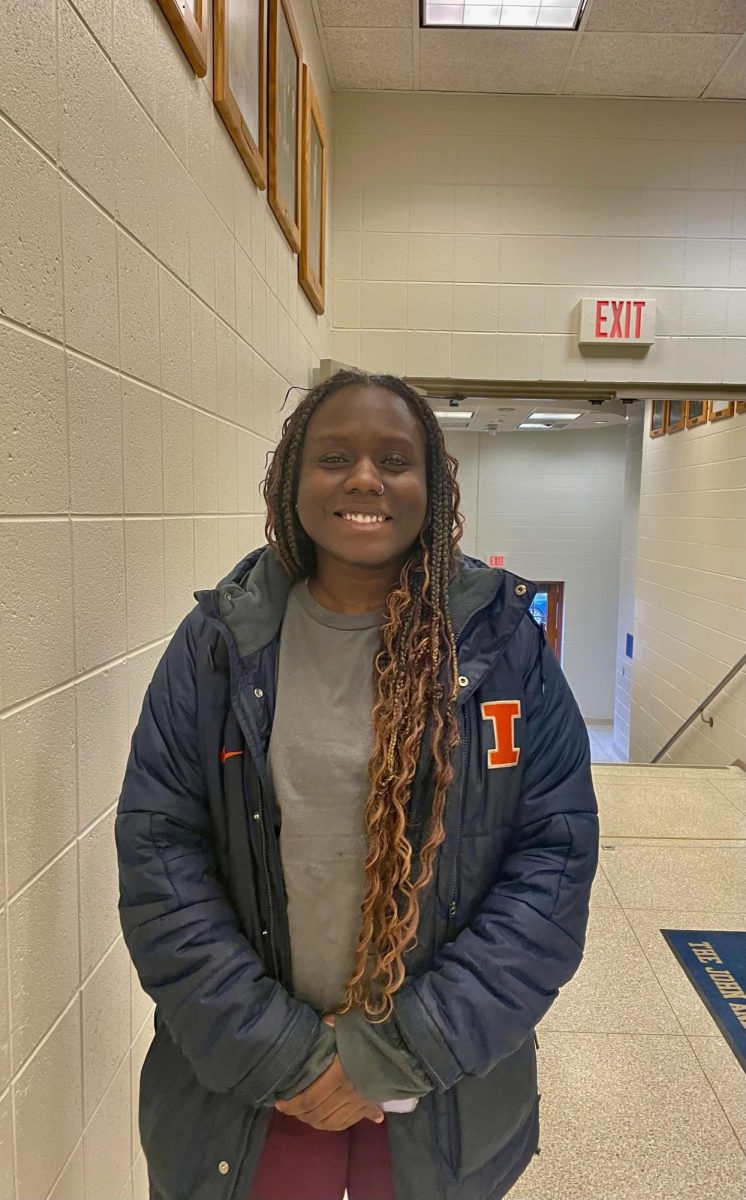
We talked to a senior student at South who chose to stay anonymous.
“It’s hard to be going to a school that’s considered a safety school for other students,” the anonymous student said. “But I’m only going for two free years before I transfer to a different school to finish my college education.”
As a parent, it’s easy to blame yourself for your child attending an “easy” school, but this guilt is a common feeling among all parents. It’s important to remember that a school does not solely define a child’s potential or future.
We talked to a parent who has a senior student at South who chose to stay anonymous.
“Honestly college feels out of reach for middle-class families, loans seem inevitable,” the anonymous parent said. “We worry about the debt our kids will carry before they even start their careers.”
While the path to higher education can be struck with financial challenges for middle-class families, it is crucial to recognize that educational success is achievable through various pathways. By exploring options like community colleges, scholarships, and alternative programs, students can find ways to follow their dreams without falling into loans and debt. The focus should stay on personal growth, and not letting a bump in the road to education stop any student.
“Now most students can go two years free at community college,” Walsh-Sahutske said. “It’s amazing, then you cut the cost of college in half.”